


Michael Jackson: Genius, Myth, and the Ongoing Debate Over His Legacy
Few figures in modern cultural history have inspired as much admiration, fascination, and debate as Michael Jackson. Decades after his rise to global superstardom, Jackson remains both a symbol of musical innovation and a subject of intense scrutiny. In 2026, renewed attention surrounding his life—particularly through the release of the biographical film Michael—has once again brought his legacy into sharp focus.
This feature examines not only the life and influence of Jackson but also how contemporary storytelling continues to shape public understanding of one of music’s most complex icons.
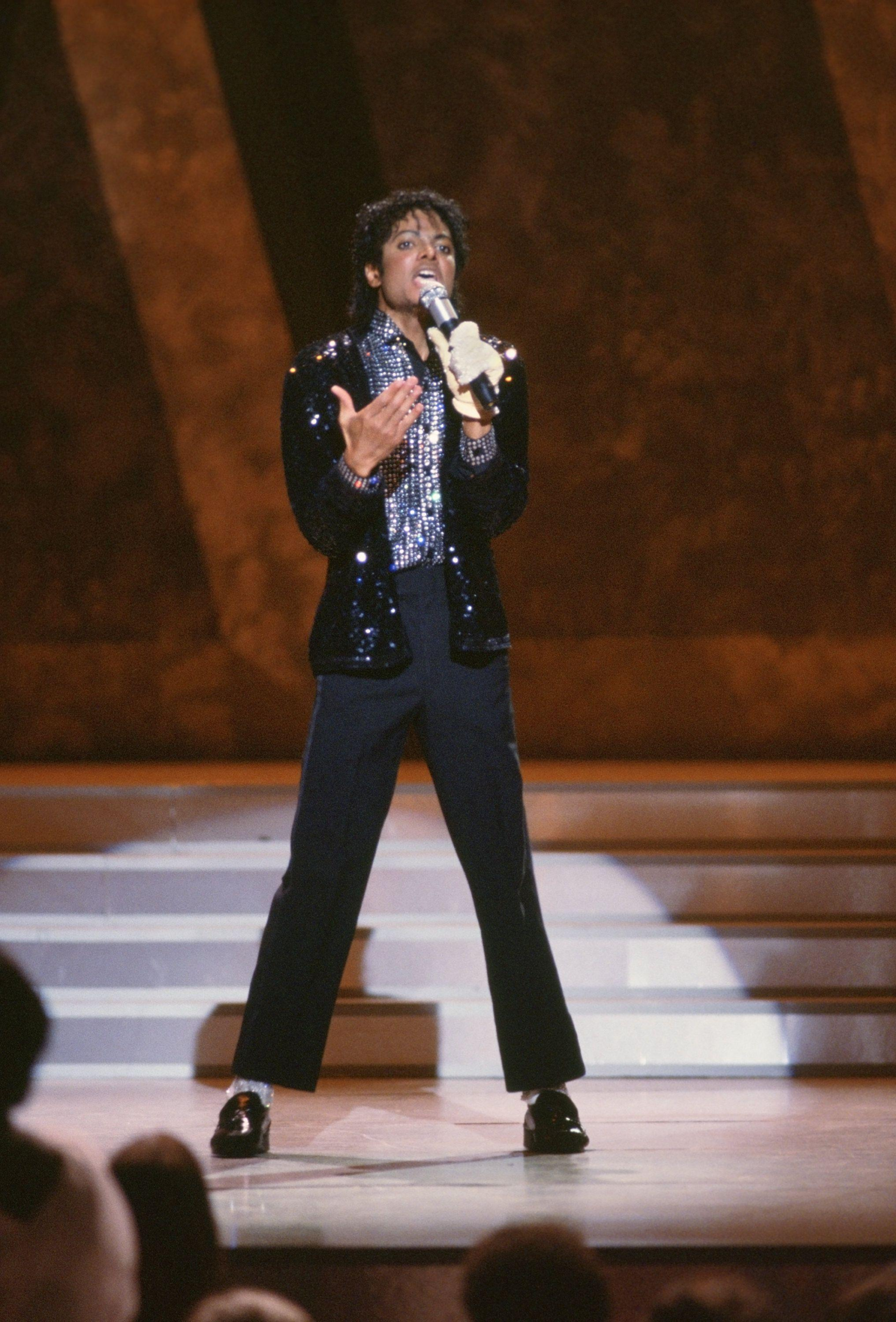
A Cultural Force Born in Gary, Indiana
Michael Jackson’s story begins in Gary, Indiana, where he emerged as a child prodigy in the late 1960s as a member of the Jackson 5. From an early age, his vocal precision, stage presence, and instinct for performance set him apart.
His transition from group member to solo artist marked a turning point not only in his career but in the evolution of popular music. Albums like Off the Wall (1979) and Thriller (1982), both produced by Quincy Jones, redefined commercial success and artistic ambition. Thriller in particular remains one of the best-selling albums of all time, cementing Jackson’s position as a global phenomenon.
The Architecture of Stardom
What distinguished Michael Jackson was not simply his music, but the ecosystem he built around it. He transformed music videos into cinematic events, pioneered synchronized choreography in pop performance, and fused genres in ways that reshaped the industry.
His performances were engineered experiences—precision-driven, visually immersive, and emotionally charged. The now-iconic moonwalk became more than a dance move; it became a symbol of artistic mastery.
Even decades later, the template he established continues to influence artists across genres and generations.
The Biopic “Michael”: A Selective Portrait
In April 2026, the long-anticipated biopic Michael, directed by Antoine Fuqua, arrived amid significant expectations and equally significant skepticism.
The film stars Jaafar Jackson—Jackson’s real-life nephew—in the lead role, tracing the singer’s early years, from his childhood in Gary through his rise with the Jackson 5 and into his solo breakthrough.
Critically, the film concludes around 1984, during the Jackson 5’s farewell tour, effectively limiting its narrative to the formative and triumphant phases of Jackson’s career.
A Focus on the Music, Not the Controversy
This narrative decision has become the central point of discussion. The film deliberately avoids addressing the sexual abuse allegations that later defined much of Jackson’s public image.
Early versions of the film reportedly included references to these allegations, but those elements were removed, leading to reshoots and a restructured ending.
The result is a portrayal that foregrounds Jackson as a “musical phenomenon,” emphasizing performance, innovation, and cultural impact while omitting the darker aspects of his life.
Critical Reception: Praise for Performance, Criticism for Depth
The response to Michael has been mixed to negative, reflecting broader tensions in how Jackson’s story should be told.
Several critics argue that the film feels incomplete—more a celebration than an examination. Some reviews describe it as “frustratingly shallow,” suggesting it presents Jackson’s life as purely triumphant rather than acknowledging its complexities.
Others go further, calling it a “soulless cash grab” and criticizing its tendency to recreate iconic moments without offering deeper insight into the man behind them.
Despite these criticisms, certain performances have been widely acknowledged:
- Colman Domingo, portraying Joe Jackson, is described as “fierce and watchable.”
- Jaafar Jackson has been praised for capturing the physicality and stage presence of his uncle with remarkable accuracy.
His preparation reportedly involved two years of intensive study, including daily rehearsal, choreography training, and immersion in family archives to replicate Jackson’s movements and vocal style.
The Central Dilemma: Art Versus Accountability
The debate surrounding Michael is not merely about filmmaking—it reflects a broader cultural question: how should society remember figures whose achievements coexist with serious allegations?
Jackson’s legacy presents a duality:
- On one hand, he is a transformative artist whose influence on music, dance, and global entertainment is undeniable.
- On the other, he is a controversial figure whose personal life continues to provoke ethical and emotional debate.
The film’s decision to emphasize one side while excluding the other has reignited discussions about historical responsibility in biographical storytelling.
Even within his own family, there is acknowledgment of this tension. His daughter, Paris Jackson, noted that parts of the film cater to fans who “still live in the fantasy,” suggesting an awareness of the selective narrative being presented.
Why Michael Jackson Still Matters
More than a decade after his death, Michael Jackson remains a cultural reference point. His music continues to dominate streaming platforms, his choreography is studied and replicated worldwide, and his influence is embedded in modern pop performance.
What distinguishes Jackson from many of his contemporaries is not just his success, but the scale of his impact:
- He globalized pop music, reaching audiences across linguistic and cultural barriers.
- He redefined the relationship between music and visual storytelling.
- He elevated the concept of the performer as both artist and spectacle.
At the same time, his life serves as a case study in the complexities of fame, media scrutiny, and public perception.
Looking Ahead: The Future of His Narrative
The release of Michael is unlikely to be the final word on Jackson’s life. If anything, it underscores the ongoing evolution of his narrative.
Future portrayals—whether in film, literature, or documentary—may attempt a more comprehensive approach, integrating both the achievements and the controversies into a unified account.
For now, the 2026 biopic represents a particular interpretation: one that prioritizes legacy as performance over legacy as biography.
Conclusion: A Legacy That Resists Simplicity
Michael Jackson’s story cannot be reduced to a single narrative. It is a layered, often contradictory account of brilliance, ambition, vulnerability, and controversy.
The current wave of renewed attention—driven in part by Michael—demonstrates that his influence is far from fading. Instead, it continues to evolve, shaped by each new generation’s attempt to understand who he was and what he represents.
Ultimately, the enduring question is not just about Michael Jackson himself, but about how society chooses to remember its most complicated icons.


