

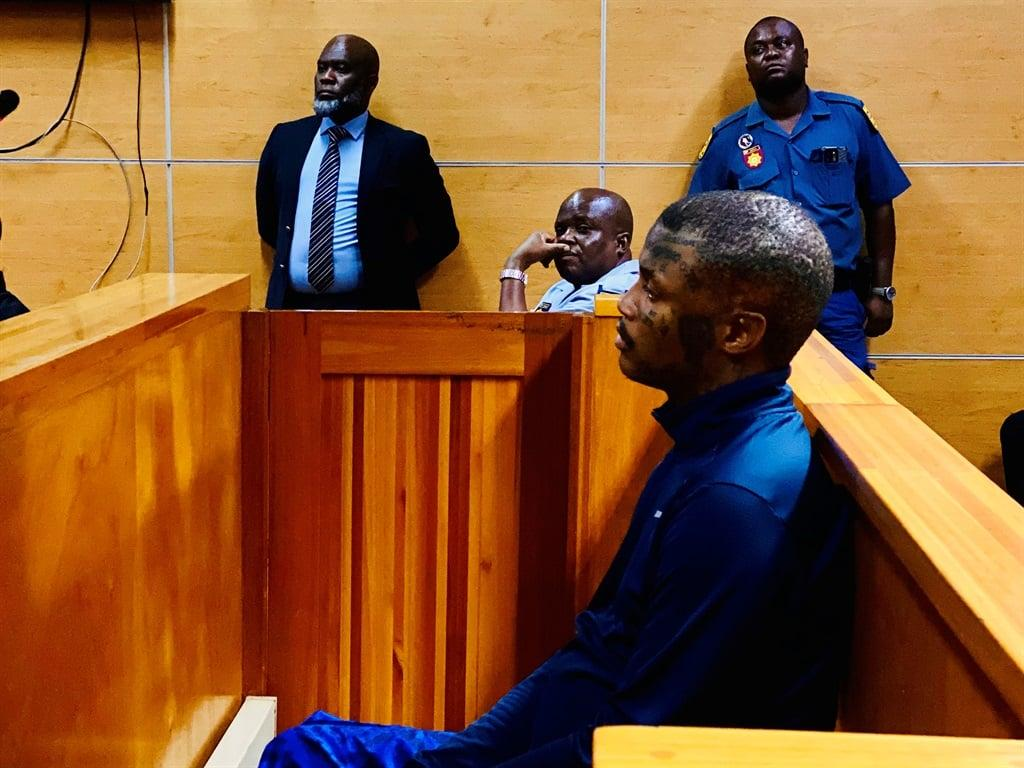
Shebeshxt News Today: Bail Bid for Urgent Surgery Reshapes High-Profile Case
A Courtroom Moment That Redefines the Narrative
The latest developments surrounding South African musician Lehlogonolo ‘Shebeshxt’ Chauke have shifted the trajectory of his ongoing legal battle. What began as a criminal case centered on serious charges has now evolved into a complex intersection of law, health, and personal tragedy.
On April 21, 2026, Chauke appeared before the Polokwane Magistrate’s Court, presenting a fresh bail application grounded in new medical evidence. The proceedings, still ongoing, now hinge on whether his deteriorating physical condition justifies temporary release.
This development has placed the spotlight not only on legal arguments but also on broader questions about the treatment of detainees with urgent medical needs.
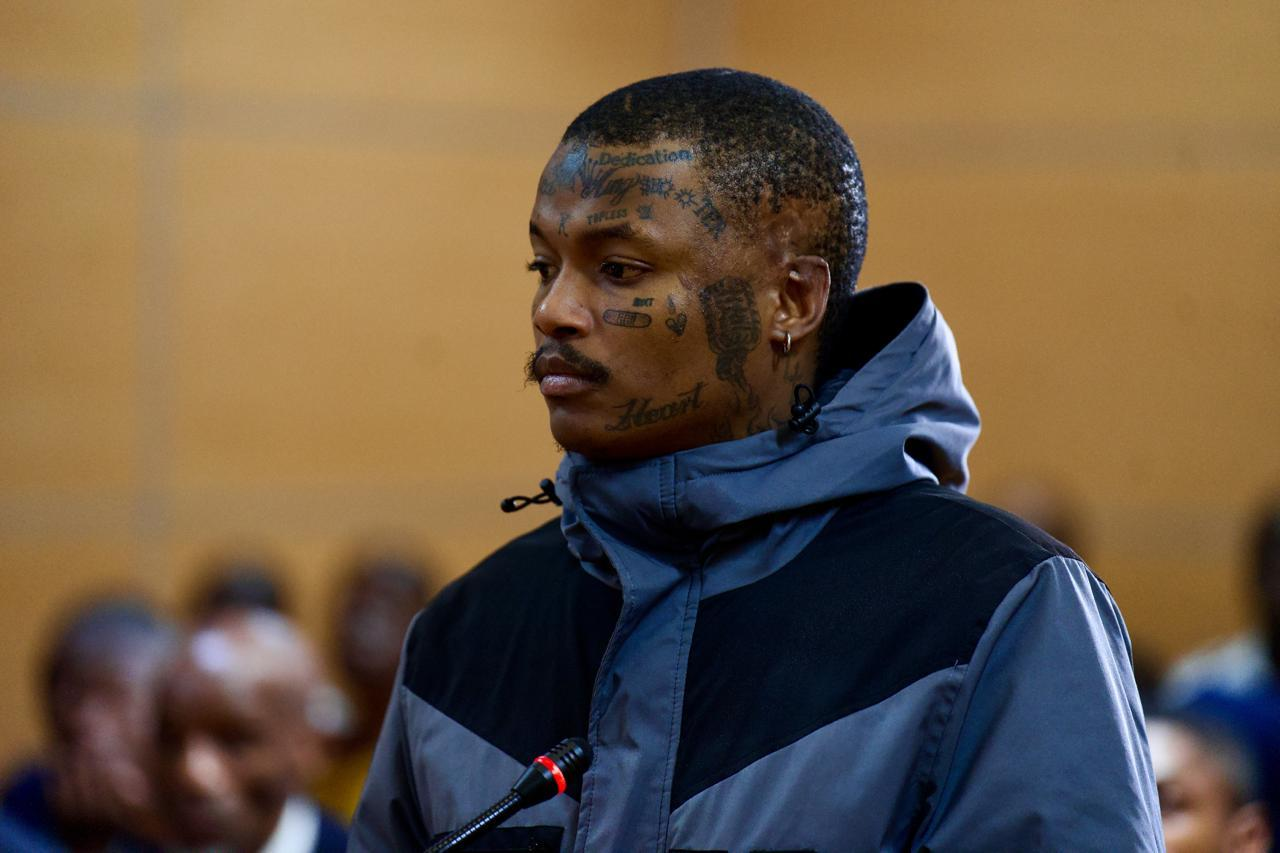
The Medical Emergency at the Center of the Case
Urgency Driven by Complications
The core of Chauke’s new bail application rests on medical necessity. According to testimony delivered in court, he requires urgent surgical intervention on both his right leg and shoulder.
Dr Malose Phillip Chaba, who appeared as a witness, provided a detailed account of the musician’s condition. He confirmed that a surgical screw used to stabilize Chauke’s leg—following a motor vehicle collision in June 2024—is loosening. This complication has significantly increased the urgency of medical treatment.
Chaba’s last full medical assessment of Chauke took place on November 11, 2025. At that time, he prescribed pain medication. The following day, November 12, Chauke was arrested, interrupting any structured medical follow-up.
During a subsequent visit to the correctional facility, Chaba stated that he was unable to conduct a formal examination. However, he reported that Chauke expressed ongoing pain and spoke extensively about the emotional impact of losing his daughter.
Legal Strategy: A Third Attempt at Bail
New Representation, New Approach
Chauke’s legal strategy has evolved alongside his circumstances. He is now represented by attorney Michael Khumalo, who has introduced this latest application based on what the court terms “new facts.”
This marks Chauke’s third attempt to secure bail.
- His initial application was dismissed in December 2025 by senior Magistrate Godfrey Netshiozwi.
- A subsequent appeal to the High Court was rejected, with Judge A.J Burnett upholding the earlier decision.
The defense now argues that the medical urgency constitutes a materially different situation, potentially meeting the threshold required for reconsideration.
The case has been transferred to a regional court framework to accommodate the complexity of the new application.
The Charges That Continue to Loom
Serious Allegations Remain Central
Despite the medical arguments, Chauke remains in custody facing nine serious charges, including three counts of murder.
These charges are linked to an August 2024 shooting incident in Ladanna, Polokwane. During that incident:
- Two men were shot and killed
- One individual was critically injured
The gravity of these charges has been a decisive factor in previous bail denials. Courts have consistently emphasized the seriousness of the allegations when weighing the possibility of release.
As a result, the current application must overcome not only procedural hurdles but also the judicial concern regarding public safety and the integrity of the legal process.
Financial and Career Fallout
A Career on Hold
Beyond the legal and medical dimensions, Chauke’s detention has had a measurable economic impact.
In earlier submissions, he stated that he has suffered significant financial losses due to missed performance bookings. As a musician whose income depends heavily on live appearances, his inability to perform has disrupted his career trajectory.
This aspect introduces a secondary argument within the bail application—one that frames continued detention as not only a legal matter but also a professional and financial setback.
Emotional Context: Personal Loss in the Background
The case also carries a deeply personal dimension. Testimony revealed that Chauke continues to experience emotional distress linked to the loss of his daughter.
While not a central legal argument, this element contributes to the broader narrative presented by the defense, emphasizing the cumulative psychological and physical strain he is under.
Proceedings Still in Motion
What Happens Next
The court proceedings remain active, with Chauke’s affidavit expected to be read as part of the ongoing process. This document is likely to consolidate the arguments presented by both the medical expert and the defense team.
The outcome of this application will depend on a key legal question:
Does Chauke’s medical condition constitute sufficient grounds for bail under new facts?
The court’s decision will set a significant precedent in balancing medical necessity against the seriousness of criminal charges.
Wider Implications: Law, Health, and Public Interest
A Case Beyond the Individual
This case is not unfolding in isolation. It reflects broader systemic considerations:
- Correctional healthcare access: How effectively can urgent medical needs be addressed within detention facilities?
- Judicial flexibility: To what extent should courts accommodate health-related bail applications in serious criminal cases?
- Public perception: High-profile cases often influence public trust in the justice system’s fairness and consistency.
The intersection of these factors makes Chauke’s case a focal point for ongoing debate.
Conclusion: A Critical Turning Point
The latest Shebeshxt news introduces a decisive phase in an already complex legal battle. What distinguishes this moment is not the charges alone, but the convergence of urgent medical needs, legal strategy, and human vulnerability.
As the court deliberates, the outcome will carry implications that extend beyond Chauke himself—shaping how similar cases may be handled in the future.
For now, the proceedings continue, and the decision remains pending.


