NYT Connections #1045: A Puzzle That Blends Language, Culture, and Strategy
A Daily Brain Teaser Redefining Word Games
The rise of NYT Connections has reshaped how players engage with language-based challenges. Positioned alongside widely recognized puzzles like Wordle and the traditional crossword, Connections has evolved into a daily ritual for millions. Its appeal lies not just in vocabulary, but in pattern recognition, cultural literacy, and strategic thinking.
On Tuesday, April 21, 2026, puzzle #1045 delivered a carefully balanced challenge. It tested players’ ability to navigate misleading clues, decode thematic links, and ultimately identify four hidden categories from a grid of 16 words. The result was a puzzle that felt both accessible and deceptively complex.
How NYT Connections Works
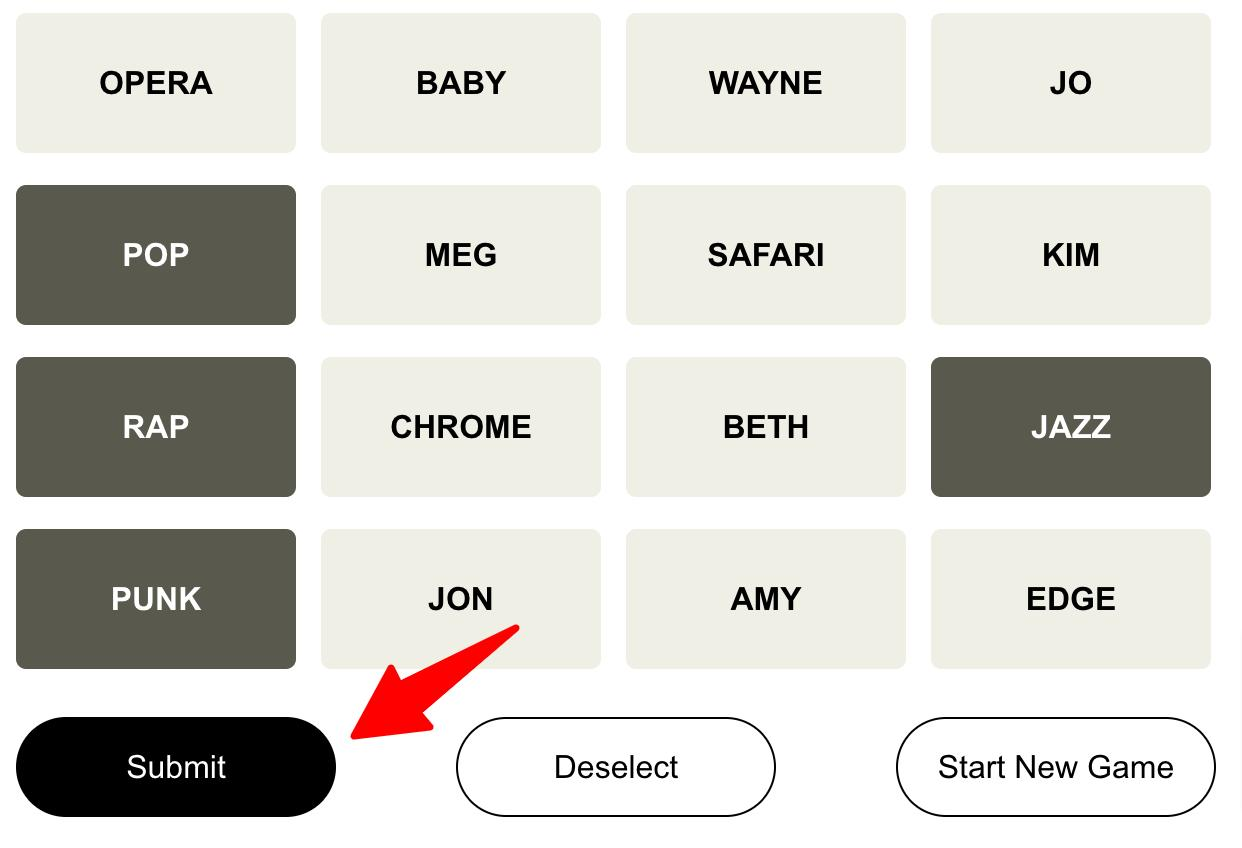
At its core, Connections presents a simple objective: group 16 words into four categories of four words each. However, the simplicity ends there.


Players are allowed only four mistakes. Each incorrect grouping brings them closer to failure, forcing careful analysis rather than guesswork. Difficulty is layered through a color-coded system:
- Yellow – easiest
- Green – moderate
- Blue – challenging
- Purple – most difficult
The structure encourages players to start with obvious patterns, then work toward more abstract or culturally specific links. Red herrings—words that seem to belong together but do not—are central to the game’s design.


Since its launch in June 2023, Connections has gained traction for this precise balance between logic and misdirection. It rewards both linguistic knowledge and lateral thinking.
Puzzle #1045: The 16-Word Challenge
The April 21 grid presented the following words:
OCTOPUS | BREEZE | THUNDER | MESSENGER
MOON | SADDLE | BULL | WALTZ
BUNK | GOLD | HOBO | MOSEY
BILGE | CROSSBODY | STROLL | BALONEY
At first glance, the list appears random. However, the structure hides four distinct themes that connect these words in precise ways.


Breaking Down the Categories
Yellow Category: Relaxed Movement (Amble In)
BREEZE, MOSEY, STROLL, WALTZ
This group revolves around slow, effortless movement. Each word conveys a sense of ease:
- Breeze implies moving without resistance
- Mosey suggests wandering aimlessly
- Stroll reflects a casual walk
- Waltz extends metaphorically to moving smoothly
This category proved the easiest for most players, as the semantic similarity is relatively direct.
Green Category: Slang for Nonsense (Balderdash)
BALONEY, BILGE, BULL, BUNK
Here, the puzzle shifts into colloquial language. Each term functions as a dismissal of falsehood or exaggeration:
- Baloney and bunk are classic expressions for nonsense
- Bull stems from informal speech dismissing claims
- Bilge originates from nautical terminology, now used metaphorically
This category required familiarity with informal English rather than strict definitions.
Blue Category: Types of Bags
CROSSBODY, HOBO, MESSENGER, SADDLE
This set focuses on fashion and functional accessories:
- Crossbody bags are worn diagonally
- Hobo bags are soft and crescent-shaped
- Messenger bags feature a long strap and flap
- Saddle bags draw inspiration from equestrian design
While straightforward for some, “saddle” served as a deliberate distraction, potentially pulling players toward unrelated themes.
Purple Category: James Bond Film Title Starters
GOLD, MOON, OCTOPUS, THUNDER
This was the most challenging group. Each word represents the opening element of a one-word James Bond film series title:
- Goldfinger
- Moonraker
- Octopussy
- Thunderball
Unlike other categories, this one relies heavily on pop culture knowledge. Players unfamiliar with the franchise often struggled to identify the connection.
Why Puzzle #1045 Stood Out
Puzzle #1045 is widely regarded as a moderate-difficulty challenge with a strong thematic twist. Its design highlights several key characteristics of Connections:
1. Strategic Layering
The puzzle encourages a logical progression:
- Start with obvious synonyms (yellow)
- Move to familiar slang (green)
- Identify concrete categories (blue)
- Finish with abstract or cultural references (purple)
2. Effective Use of Red Herrings
Words like bull, moon, and octopus invite incorrect assumptions:
- Animal categories
- Weather-related themes
- Natural phenomena
These distractions force players to reassess initial instincts.
3. Cultural Integration
The inclusion of James Bond references demonstrates how the game blends language with entertainment history. This broadens its appeal but also increases difficulty for players lacking that context.
The Social and Cultural Impact
Connections is more than a puzzle—it has become a shared digital experience. On April 21, 2026, players actively discussed puzzle #1045 across online communities, comparing strategies and outcomes.
Common patterns emerged:
- Many solved yellow first
- Green followed with moderate effort
- Blue depended on familiarity with fashion
- Purple often required multiple attempts
The puzzle also sparked conversations about strategy. Players recommended:
- Identifying synonym clusters early
- Avoiding assumptions based on surface meaning
- Looking for cultural or branded references
This collaborative aspect contributes to the game’s sustained popularity.
What Makes NYT Connections Unique
Unlike traditional crosswords, Connections does not rely on definitions or clues. Instead, it emphasizes:
- Pattern recognition over memorization
- Lateral thinking over linear logic
- Cultural awareness alongside vocabulary
It trains players to think flexibly, recognizing that words can belong to multiple conceptual groups but only one correct category.
Looking Ahead: The Future of Connections
The trajectory of Connections suggests continued growth. Its daily reset structure ensures ongoing engagement, while evolving themes maintain freshness.
Future puzzles are expected to:
- Continue blending everyday language with niche knowledge
- Introduce new forms of wordplay, including phonetics and partial words
- Expand cultural references across music, film, and history
The consistent formula—16 words, four categories—remains unchanged, but the depth of interpretation continues to evolve.
Final Thoughts
Puzzle #1045 encapsulates what makes NYT Connections compelling. It combines accessible entry points with deeper layers of complexity, rewarding both quick recognition and persistent analysis.
For some players, the solution came quickly. For others, the purple category proved decisive. In both cases, the experience reinforces a core principle of the game:
The challenge is not just solving the puzzle—but learning how to think differently with each attempt.
With a new puzzle released daily, the cycle continues—offering fresh opportunities to refine strategy, expand knowledge, and engage with one of the most dynamic word games in the modern digital landscape.