

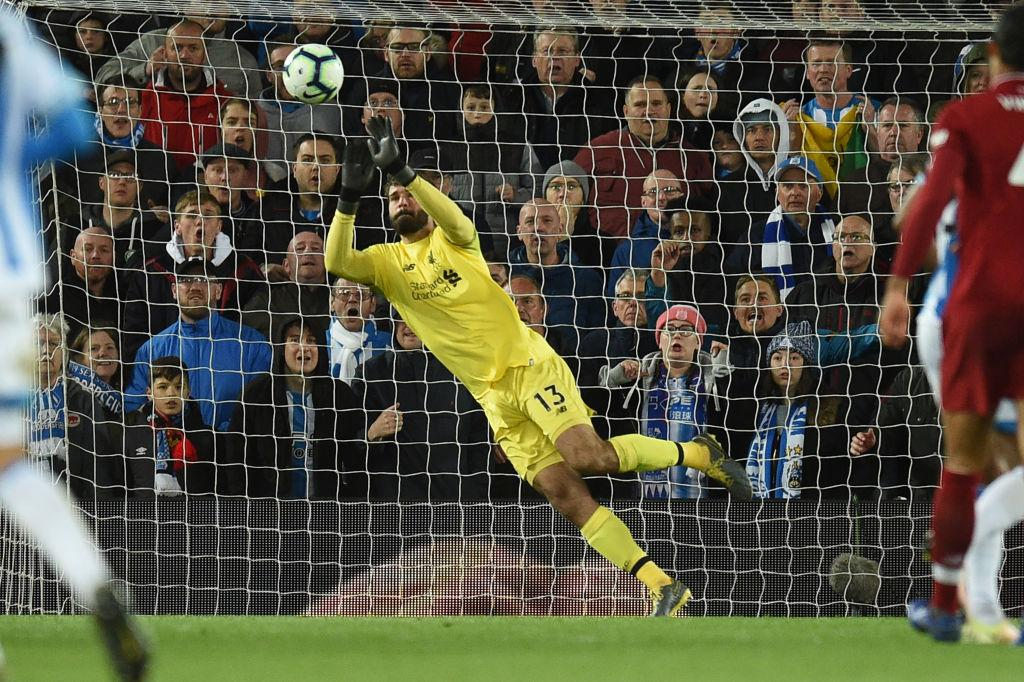
Alisson Becker: Liverpool’s Last Line of Defense Under Pressure
A Narrative of Reliability Interrupted
For much of his career, Alisson Becker has represented stability at the highest level of football. At Liverpool FC, he has long been the undisputed No. 1—an elite shot-stopper whose composure and technical precision anchor the team’s defensive structure.
Yet the 2025/26 season has unfolded as a rare test of endurance for both player and club. A sequence of injuries has disrupted his rhythm, forcing Liverpool into an unfamiliar situation: navigating a critical stretch of the campaign without their most reliable presence between the posts.
This is not just a story about a goalkeeper’s absence. It is a case study in how a single position can influence tactical stability, squad depth, and competitive outcomes.
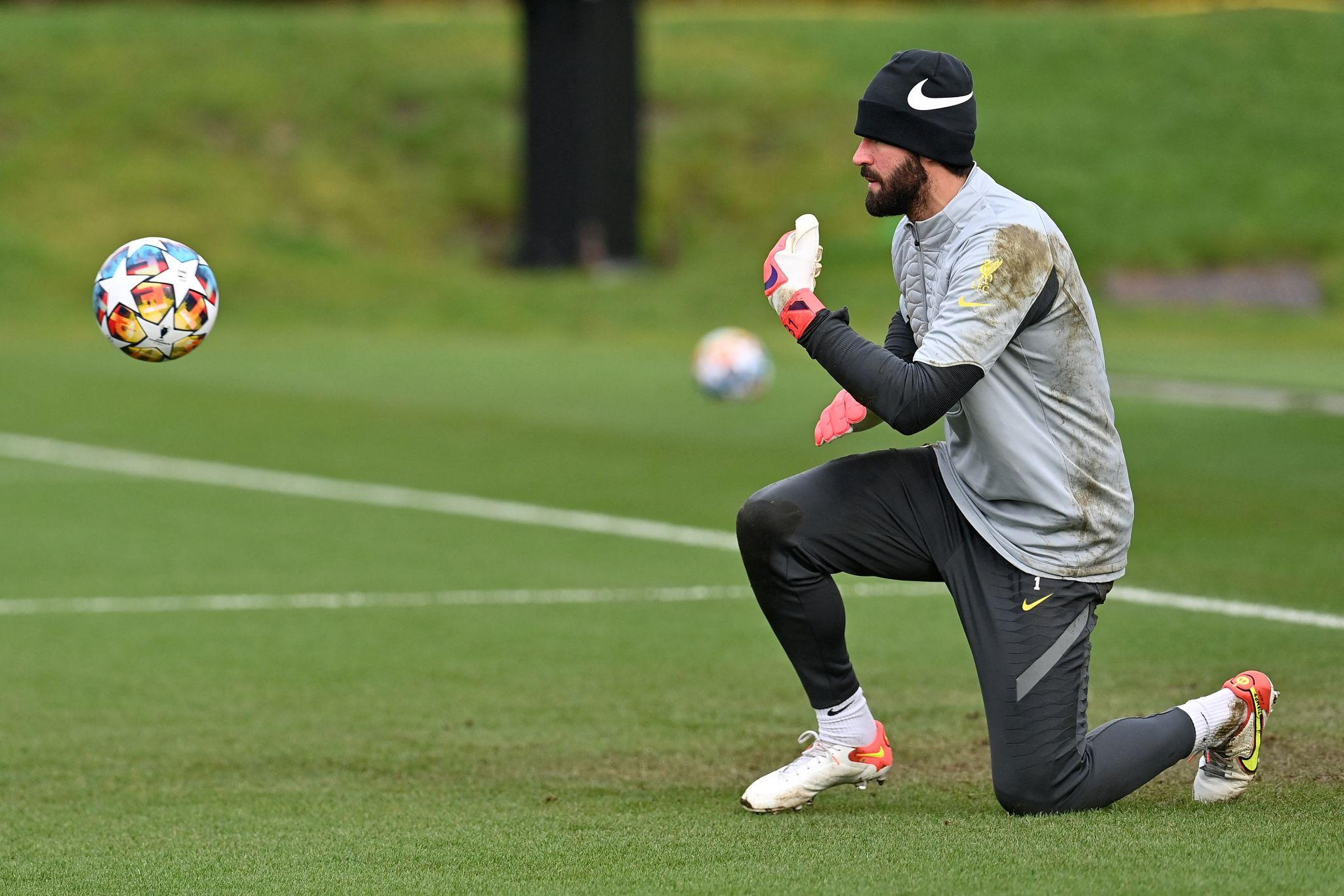
The Injury Timeline That Shifted Liverpool’s Season
Alisson’s current situation is the result of cumulative setbacks rather than a single incident.
- October: A hamstring injury ruled him out for approximately two months, sidelining him through a crucial part of the autumn schedule.
- February: A minor muscular issue caused additional absences, interrupting his return momentum.
- March international break: A fresh training setback forced him to miss Brazil’s friendlies and extended his time out of action.
By April, Liverpool’s goalkeeping situation had escalated into a full-blown crisis.
Backup goalkeeper Giorgi Mamardashvili—who had stepped in effectively—suffered a serious wound during a 2-1 win over Everton FC, leaving him unavailable for at least several weeks.
That sequence forced third-choice keeper Freddie Woodman into action, a scenario few expected at this stage of the season.
The Return Window: A Moving Target
Despite the setbacks, a clearer picture of Alisson’s recovery has emerged.
- The goalkeeper is targeting a return by the end of April, having stated:
“I didn’t suffer a new injury. I’m in the treatment phase, and the plan is to be in full playing condition by the end of April!” - A more conservative timeline places his comeback on May 3, when Liverpool travel to face Manchester United at Old Trafford.
- Manager Arne Slot reinforced this cautious approach:
“He will not be part of the PSG game either. Out for a bit longer. Towards the end of the season, we expect him to be fit.”
This creates a narrow but critical gap—Liverpool must navigate key fixtures, including a home match against Crystal Palace, without their first-choice goalkeeper.
A Goalkeeping Crisis With Tactical Consequences
Goalkeeping instability has a disproportionate effect on elite teams. In Liverpool’s case, the absence of Alisson introduces several structural challenges:
1. Defensive Organization
Alisson’s communication and positioning are integral to Liverpool’s high defensive line. His absence forces adjustments in:
- Backline spacing
- Pressing triggers
- Recovery positioning
2. Build-Up Play
Modern goalkeepers act as deep-lying playmakers. Without Alisson:
- Distribution becomes less progressive
- Risk tolerance decreases
- Opponents can press more aggressively
3. Psychological Impact
Confidence in a goalkeeper influences the entire defensive unit. Even high-performing backups cannot fully replicate the assurance provided by a world-class No. 1.
Freddie Woodman: Emergency Solution, Not Long-Term Answer
With both Alisson and Mamardashvili unavailable, Freddie Woodman has stepped into the spotlight.
His own assessment reflects the hierarchy clearly:
“I’m not sure about that Ali, if he plays, he’s the best goalkeeper in the world. So, listen, I hope he’s back fit.”
“I hope Georgie is going to recover well. And, listen, I’ll just keep doing my role to the best I can.”
“Just try to be ready for, you know, 20 minutes, 10 minutes when needed. And that’s what I’ve had to do.”
Woodman’s role is defined by readiness rather than expectation. His performances are functional, but the system is not built around him.
The Wider Context: A Season Defined by Depth
Liverpool’s campaign is entering a decisive phase, with fixtures against:
- Manchester United
- Chelsea FC
- Aston Villa FC
- Brentford FC
All are competing for European qualification, raising the stakes significantly.
The absence of Alisson during this run-in is not merely inconvenient—it has direct implications for:
- Points accumulation
- Defensive record
- Qualification outcomes
Alisson Becker’s Enduring Importance
Even amid injury setbacks, Alisson’s status remains unchanged. He is widely regarded as one of the most complete goalkeepers in modern football due to:
- Elite shot-stopping reflexes
- Exceptional one-on-one efficiency
- High-level distribution under pressure
- Tactical intelligence in defensive transitions
Liverpool’s reliance on him is structural, not optional.
What Happens Next?
The trajectory is clear:
- Short-term: Liverpool rely on Woodman while managing risk.
- Medium-term: Alisson returns—likely around late April or early May—and immediately reassumes his role.
- Long-term: The club may reassess squad depth in the goalkeeping department to prevent recurrence of such vulnerability.
If Alisson returns at full capacity, Liverpool regain not just a player, but a system stabilizer.
Conclusion: More Than Just a Goalkeeper
Alisson Becker’s current absence highlights a fundamental truth in elite football: certain players are not easily replaceable, regardless of squad depth.
His return is not just about fitness—it is about restoring equilibrium to a team navigating one of the most demanding phases of its season.
Liverpool’s ambitions hinge on timing. If Alisson returns as expected for the final stretch, the club regains its defensive foundation at precisely the moment it matters most.


