Kumaran Naidu Passes Away: A Storyteller Who Redefined Durban’s Voice
A Life in Film, Told Through the People He Represented
The passing of Kumaran Naidu at the age of 52 marks more than the loss of a filmmaker. It signals the closing of a defining chapter in South Africa’s independent cinema—particularly within the underrepresented space of local Indian storytelling.
Naidu was not simply a director or actor. He operated as a cultural translator, turning everyday experiences from Durban’s communities into narratives that resonated across the country and beyond. His films carried a distinct authenticity, shaped by lived experience, limited budgets, and a commitment to telling stories often overlooked by mainstream productions.
His death, following a long illness, has prompted reflection across the industry—not only on his work, but on the fragile ecosystem that supports independent filmmaking in South Africa.


From Chatsworth to National Recognition
Born and raised in Chatsworth, Durban, Naidu’s creative roots were firmly embedded in the social fabric of the city. His upbringing informed the themes that would later define his work: identity, community, struggle, and resilience.
He later relocated to Gauteng, where he continued developing projects that expanded his reach while maintaining the same grounded perspective. His work consistently returned to Durban—not just as a setting, but as a central character in his storytelling.


This duality—local authenticity combined with broader appeal—became a hallmark of his filmmaking approach.
The Films That Built a Legacy
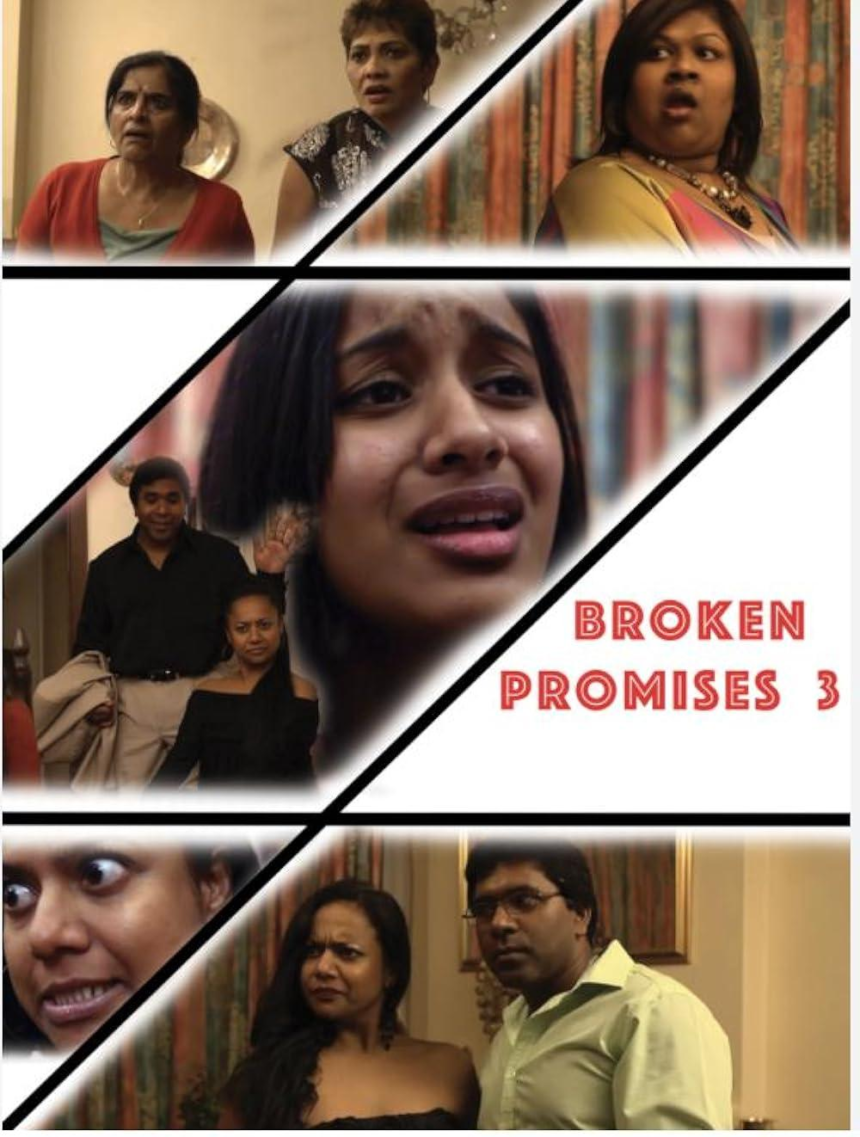
Naidu’s most recognized works, including Broken Promises and Run For Your Life, are widely regarded as milestones in South African independent cinema.
“Broken Promises”: A Cultural Landmark
The Broken Promises series (1–5) established Naidu as a major creative force. The films were notable for:
- Highlighting the complexities of family and social dynamics
- Showcasing Durban’s Indian community with nuance and realism
- Operating outside mainstream production systems while achieving wide recognition
Rather than relying on large budgets or institutional backing, Naidu built these films through persistence and a clear narrative vision. The result was a body of work that connected deeply with audiences who rarely saw their realities reflected on screen.


Expanding the Narrative Scope
With Run For Your Life, Naidu demonstrated versatility, moving beyond domestic storytelling into broader thematic territory while maintaining his signature focus on human experience.
His projects consistently prioritized storytelling over spectacle—an approach that distinguished his work in an industry often driven by commercial formulas.
A Voice That Extended Beyond Film
Naidu’s influence was not limited to his filmography. His role as a mentor and industry builder was equally significant.
Colleagues frequently described him as a “visionary,” not only because of the stories he told, but because of the opportunities he created for others. Emerging creatives benefited from his willingness to share knowledge, collaborate, and open doors in a highly competitive space.
His family captured this impact clearly in their statement:
“Mr Naidu was widely regarded as an iconic voice in film and television. He was the creative force behind acclaimed works including ‘Broken Promises 1–5’ and ‘Run For Your Life’, among others. His projects championed local narratives and brought Durban and South African experiences to national and international audiences.”
They added:
“He believed in local Indian cinema and blazed a trail for others to follow and create household names in the process.”
This dual legacy—creator and enabler—positions Naidu as a foundational figure in the evolution of South African independent cinema.
The Personal Behind the Public Figure
Beyond his professional achievements, Naidu’s final years were marked by resilience. His family described his illness as one “borne with courage and dignity,” emphasizing that he remained committed to storytelling until the end.
He is survived by his wife Fiona, his sons Sudarshan and Maheshan, and his three dogs, Arri, Alexa, and Kia.
The family has expressed gratitude for the support received from the public and medical teams, while also requesting privacy during this period of mourning.
What His Passing Means for the Industry
Naidu’s death has reignited a critical conversation: the sustainability of independent filmmaking in South Africa.
His career highlighted several structural realities:
- Limited funding opportunities for culturally specific storytelling
- Heavy reliance on personal networks and community support
- The absence of consistent institutional backing for emerging filmmakers
Despite these constraints, Naidu succeeded in building a recognizable and influential body of work. His passing underscores both the achievements possible within the system—and the challenges that persist.
There is now renewed emphasis on:
- Supporting local filmmakers through funding and distribution channels
- Preserving culturally rooted narratives in an increasingly globalized media landscape
- Expanding mentorship pathways for new talent
A Legacy That Extends Beyond Film
Naidu’s impact cannot be measured solely by the films he created. It lies equally in the space he carved out for others.
He demonstrated that:
- Stories rooted in specific communities can achieve universal resonance
- Independent cinema can thrive with clarity of vision and persistence
- Representation is not a secondary concern—it is central to cultural identity
His family has urged that his legacy be honored through continued support for local film and the arts—a call that resonates strongly in the wake of his passing.
Final Reflection
The death of Kumaran Naidu marks the end of a singular creative journey, but not the end of the movement he helped shape.
His work ensured that Durban’s voices were heard, its stories documented, and its cultural identity preserved on screen. More importantly, he showed that these stories mattered—both locally and globally.
As the industry reflects on his contributions, the most fitting tribute will not be remembrance alone, but continuation: more stories, more voices, and more opportunities for those following the path he helped create.
Details of a memorial service celebrating his life and work are expected to be announced in due course.