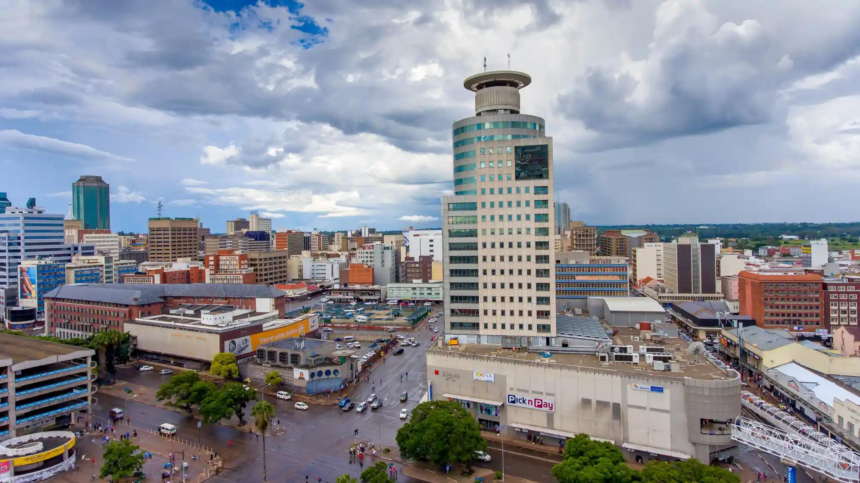
Zimbabwe at a Turning Point: Heritage, Resources, and a Nation Redefining Its Future
A Nation Reclaiming Its Identity
Zimbabwe is once again at the center of a significant continental conversation—one that blends history, identity, and economic transformation. Recent developments reveal a country actively reclaiming its past while simultaneously reshaping its future through strategic control of natural resources and cultural heritage.
- A Nation Reclaiming Its Identity
- Cultural Restoration: The Return of the Zimbabwe Bird and Ancestral Remains
- Economic Strategy: Lithium, Global Demand, and National Control
- Diplomacy and Regional Solidarity
- The Broader Implications: Identity, Economy, and the Future
- Conclusion: A Nation Redefining Its Narrative
Two major developments highlight this shift: the return of sacred national artefacts and ancestral remains from South Africa, and the country’s assertive stance in the global lithium market. Together, these events reflect a broader narrative—Zimbabwe’s pursuit of dignity, sovereignty, and long-term national development.
Cultural Restoration: The Return of the Zimbabwe Bird and Ancestral Remains
A Historic Repatriation Ceremony
In April 2026, Zimbabwe marked a deeply symbolic moment when South Africa returned ancestral human remains alongside a centuries-old stone carving of the Zimbabwe Bird. The handover ceremony in Cape Town featured eight coffins draped in Zimbabwean flags, representing individuals whose remains had been removed during the colonial era for research purposes.


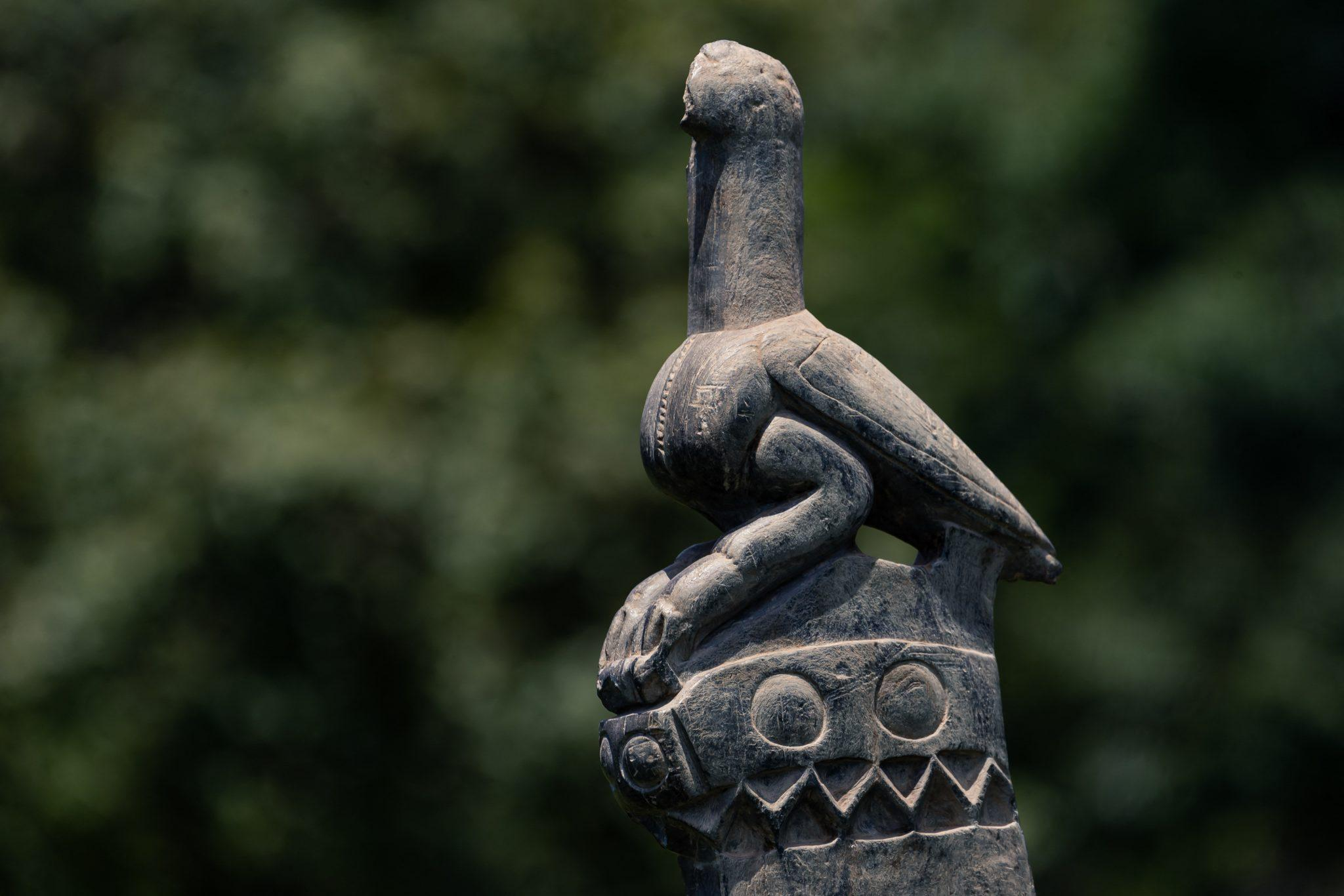
The Zimbabwe Bird, carved from soapstone, is more than an artefact. It is a sacred emblem deeply embedded in the country’s identity—appearing on national symbols such as currency and the flag. Its origins trace back to the ancient civilization of Great Zimbabwe, a powerful pre-colonial state that flourished between the 11th and 13th centuries.
Correcting Historical Injustices
Officials emphasized that the remains were taken unethically during colonial expansion, a period marked by exploitation and cultural erasure. Their return represents an effort to correct these injustices and restore dignity to affected communities.


Reverend Paul Bayethe Damasane described the repatriation as the beginning of a broader process of healing and reintegration. He stressed that these remains are not scientific specimens but individuals with identities, histories, and spiritual significance.
South African officials echoed similar sentiments. The return was characterized not as an act of goodwill, but as a moral obligation—an overdue correction of past wrongdoing.
The Symbolism of the Zimbabwe Bird
The Zimbabwe Bird holds unique cultural weight. Historically removed during colonial plunder and even linked to figures such as Cecil John Rhodes, its return completes the repatriation of all known Zimbabwe Bird sculptures.
Standing approximately 33 centimeters tall and originally mounted on stone pillars, the carvings are believed to embody spiritual protection and authority.


Today, the return of this symbol is not merely ceremonial—it signals a broader movement toward reclaiming African heritage and rewriting historical narratives.
Economic Strategy: Lithium, Global Demand, and National Control
Zimbabwe’s Lithium Advantage
Beyond cultural restoration, Zimbabwe is also asserting itself economically. The country holds the largest lithium reserves in Africa—a resource that has become central to the global transition toward clean energy and electric vehicles.
Lithium is a critical component in lithium-ion batteries used in everything from smartphones to electric cars. This has positioned Zimbabwe as a key player in global supply chains.
Export Restrictions and Strategic Leverage
In early 2026, Zimbabwe introduced a ban on exporting raw lithium and other unprocessed minerals. The policy is part of a broader strategy aligned with its Vision 2030 framework, which aims to promote local processing and value addition.
By tightening control over exports, Zimbabwe seeks to shift from being a raw material supplier to a value-driven industrial economy.
The move has had immediate geopolitical implications, particularly for China, which receives over 90% of Zimbabwe’s mineral exports. Analysts suggest this signals a shift in Africa’s approach to resource management—from extraction-based partnerships to more balanced, investment-focused relationships.
Economic Impact and Challenges
Mining remains a cornerstone of Zimbabwe’s economy, contributing over 14% to GDP. In 2025 alone, the country exported over 1.1 million metric tons of lithium concentrate.
However, the sector is not without controversy. Environmental and community concerns have emerged, particularly regarding mining practices by foreign companies. Reports of pollution, health risks, and labor issues have prompted calls for stricter oversight and accountability.
Local organizations argue that natural resources should benefit citizens directly, not come at the expense of environmental degradation or public health.
Diplomacy and Regional Solidarity
The repatriation of artefacts also highlights strong diplomatic ties between Zimbabwe and South Africa. Their relationship, rooted in a shared liberation history, is evolving into deeper cooperation in culture, research, and heritage preservation.
The handover ceremony underscored a growing trend across Africa: countries working together to reclaim their history without external pressure. This “African-to-African” approach reflects a shift toward unity and collective responsibility.
At the same time, Zimbabwe’s economic policies are influencing broader continental strategies. Analysts expect other resource-rich African nations to adopt similar measures, particularly in managing critical minerals like lithium.
The Broader Implications: Identity, Economy, and the Future
Zimbabwe’s recent actions illustrate a dual trajectory:
- Cultural Reclamation: Restoring artefacts and ancestral remains reinforces national identity and addresses historical injustices.
- Economic Transformation: Controlling mineral exports positions the country for long-term industrial growth and global relevance.
These developments are not isolated. They reflect a broader recalibration occurring across Africa—where countries are asserting control over their narratives, resources, and development paths.
Conclusion: A Nation Redefining Its Narrative
Zimbabwe stands at a pivotal moment. The return of the Zimbabwe Bird and ancestral remains is more than symbolic—it is a step toward healing historical wounds. At the same time, strategic economic policies signal a future defined by self-determination and value creation.
The intersection of culture and economics in Zimbabwe’s current trajectory offers a compelling case study of how nations can reclaim both their past and their future. Whether through heritage restoration or resource governance, the country is actively shaping a new narrative—one grounded in dignity, resilience, and strategic vision.