

Donald Trump: Power, Conflict, and Controversy in a Global Moment
A Presidency Defined by Confrontation
Few modern political figures generate as much sustained global attention as Donald Trump. In 2026, his presidency continues to operate at the intersection of high-stakes geopolitics, media spectacle, and ideological division. Recent developments—particularly his escalating dispute with Pope Leo XIV—highlight how Trump’s leadership style remains rooted in direct confrontation, both domestically and internationally.
At the center of the current moment is a widening rift involving religion, war policy, and political messaging. The controversy offers a lens through which to examine Trump’s broader political approach: assertive, polarizing, and often unpredictable.
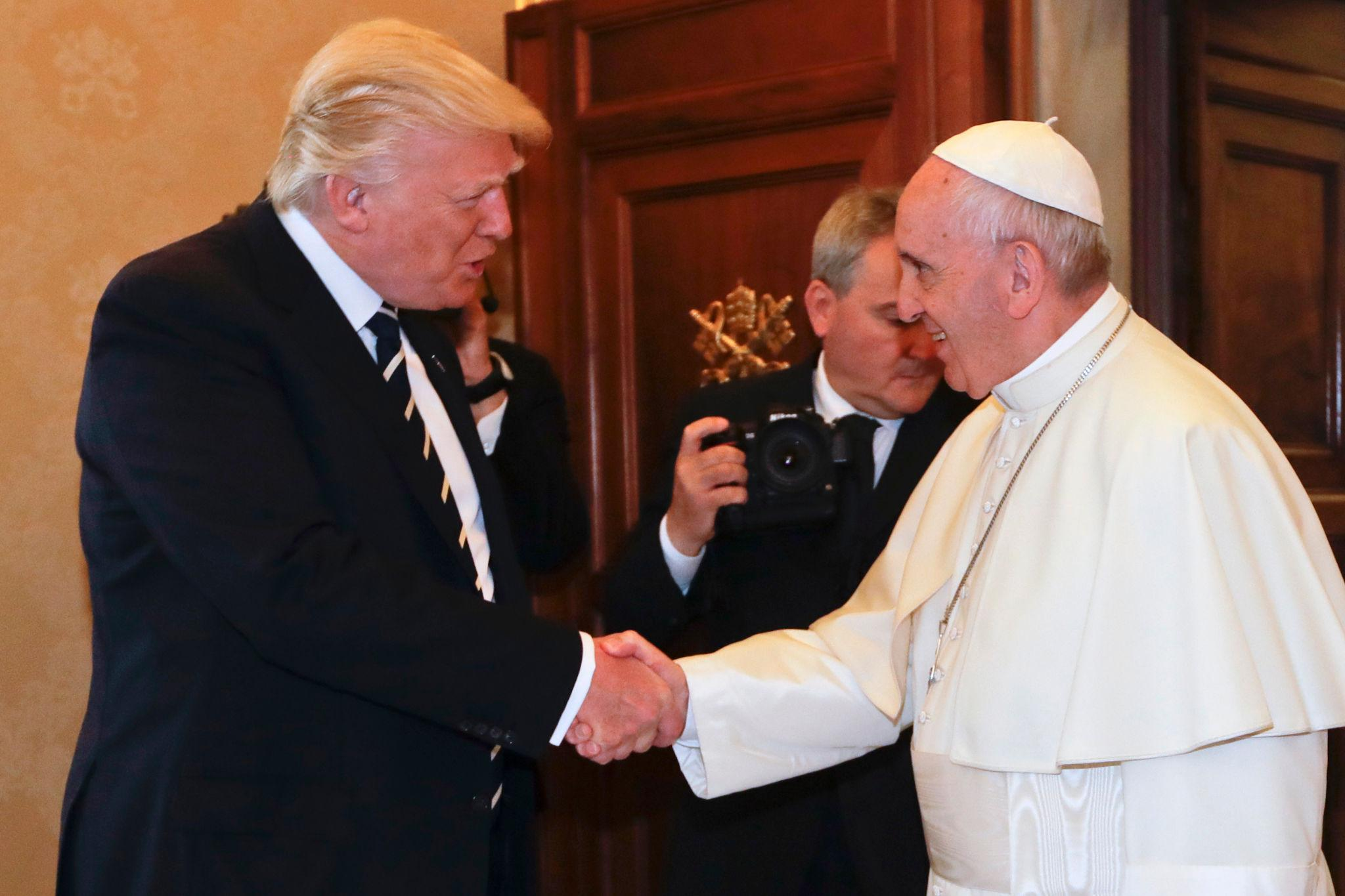
The Vatican Dispute: When Politics Meets Faith
A Rare Public Clash
The latest flashpoint emerged after Pope Leo XIV delivered a message emphasizing peace, dialogue, and restraint in global conflicts—particularly the ongoing war involving Iran. Trump responded sharply, criticizing the pope’s stance and framing it as weak in the face of geopolitical threats.
He stated:
“I think he’s very weak on crime and other things, so I’m not going to apologize.”
The remark marked an unusually direct confrontation between a sitting U.S. president and the head of the Catholic Church. While disagreements between political leaders and religious authorities are not unprecedented, the tone and intensity of this exchange are considered highly atypical.
The Pope’s Response
Pope Leo XIV maintained a measured but firm stance, reiterating the Church’s mission:
“I will continue to speak out strongly against war, seeking to promote peace, promoting dialogue and multilateralism among states to find solutions to problems.”
He clarified that his message was not a personal attack, but rather a continuation of longstanding religious doctrine centered on peace and reconciliation.
The Meme Controversy: Symbolism and Backlash
A Social Media Storm
The dispute escalated further when Trump shared an AI-generated image depicting himself in a Christ-like role. The image showed him wearing a robe and appearing to heal a patient, surrounded by symbolic figures and imagery.
The reaction was swift and widespread. Critics—including some of Trump’s own supporters—questioned both the appropriateness and intent behind the image.
Trump later defended the post:
“I did post it, and I thought it was me as a doctor… making people better. And I do make people better. A lot better.”
He denied any intention to portray himself as a religious figure, attributing criticism to misinterpretation. The post was eventually deleted.
Cultural and Political Implications
This episode underscores a recurring feature of Trump’s political communication: the blending of humor, provocation, and ambiguity. While supporters often interpret such actions as satire or defiance, critics view them as undermining institutional respect and public discourse.
The Iran War Context: Strategic Stakes
Escalation and Diplomacy
The backdrop to the Trump–Vatican dispute is the ongoing conflict involving Iran, now stretching into its seventh week. The United States has taken a hardline stance, including:
- Military operations and strategic warnings
- A blockade affecting Iranian ports and shipping routes
- Diplomatic pressure in negotiations over nuclear capabilities
Trump has framed his approach as necessary to prevent nuclear escalation:
“You cannot have a nuclear Iran.”
At the same time, diplomatic channels remain open. Talks between U.S. and Iranian representatives are expected to resume, with key issues including uranium enrichment limits and maritime security in the Strait of Hormuz.
Global Reactions
The conflict has triggered international concern, with multiple stakeholders—including European governments and global organizations—calling for de-escalation. Pope Leo XIV’s message aligns with this broader push for peace, placing him at odds with the administration’s strategy.
Media, Satire, and Public Perception
Late-Night Criticism
The controversy has also spilled into cultural spaces, notably through satire. The Daily Show host Jon Stewart openly criticized Trump’s actions, focusing on both the pope dispute and the AI image.
Stewart remarked:
“It does not come into my brain that anyone in the world hearing the Pope’s message of peace will have some kind of weird problem with it.”
He further mocked Trump’s explanation of the image, suggesting a decline in the creativity of his public claims.
The Role of Media Amplification
This interplay between politics and entertainment reflects a broader trend in the Trump era: the merging of governance and media performance. Controversies are not confined to policy debates but extend into cultural commentary, social media, and global public opinion.
Leadership Style: Continuity and Evolution
Trump’s current actions reflect long-standing characteristics of his leadership:
- Direct communication: Frequent use of social media to bypass traditional channels
- Personalized politics: Framing disagreements as individual conflicts
- High-risk rhetoric: Willingness to challenge institutions, including religious authority
However, the stakes in 2026 are significantly higher. With ongoing military engagements and complex diplomatic negotiations, the consequences of such rhetoric extend beyond domestic politics into global stability.
Broader Implications
Religion and Political Authority
The dispute raises fundamental questions about the relationship between political power and moral authority. When a political leader openly criticizes a religious figure advocating peace, it highlights differing frameworks for addressing conflict.
International Diplomacy
Trump’s approach may strengthen his position among supporters who favor assertive foreign policy. At the same time, it risks alienating allies and complicating multilateral negotiations.
Public Discourse
The combination of political messaging, social media imagery, and media satire contributes to a fragmented public narrative. Competing interpretations shape how events are understood, both within the United States and globally.
What Comes Next?
Several developments will determine the trajectory of this situation:
- Potential resumption of U.S.–Iran negotiations
- Continued public statements from both Trump and Pope Leo XIV
- Reactions from international leaders and institutions
- Domestic political response as the controversy evolves
The intersection of war policy, religious messaging, and political communication ensures that this issue will remain a focal point in the near term.
Conclusion
Donald Trump’s presidency continues to operate in a space where politics, media, and global affairs converge. The current dispute with Pope Leo XIV is not an isolated incident but part of a broader pattern of assertive leadership and high-visibility conflict.
As the Iran situation unfolds and diplomatic efforts continue, the implications of this moment extend beyond a single controversy. They reflect deeper tensions in how power, belief, and communication intersect in modern global leadership.


