Choe Hyon-Class Destroyer: A Strategic Shift in Naval Power
A New Chapter in Naval Warfare
The emergence of the Choe Hyon-class destroyer marks a notable evolution in the naval capabilities of the Democratic People’s Republic of Korea. Designed as a 5,000-ton, multi-mission attack destroyer, this class represents a transition from coastal defense toward a more flexible and technologically integrated naval force.
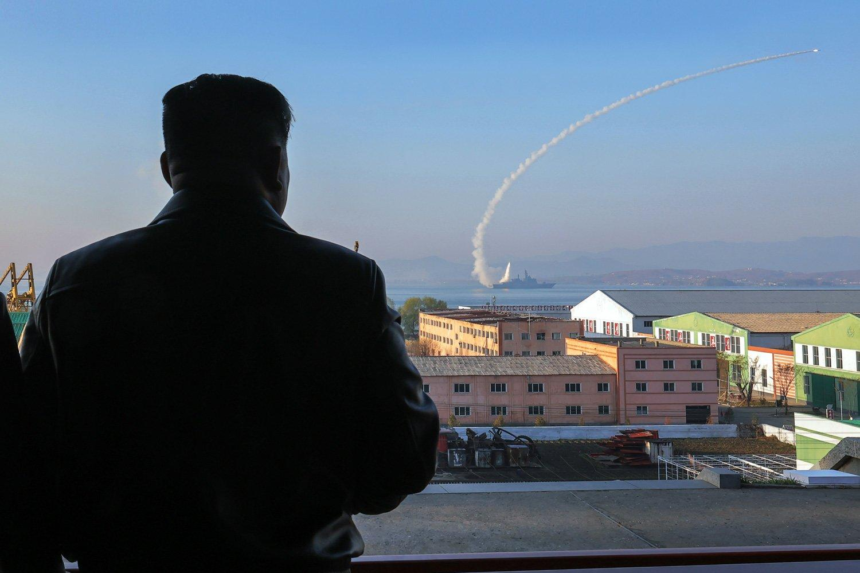
Recent developments have drawn international attention, particularly after Kim Jong-un personally observed a missile test conducted from the lead vessel, Destroyer Choe Hyon. The event highlights not only the ship’s operational readiness but also the broader strategic direction of the country’s military doctrine.
The Missile Test: Capabilities on Display
What Happened During the Test
During the latest exercise, the destroyer launched:


- Two strategic cruise missiles
- Three anti-warship missiles
These tests were conducted to evaluate the operational efficiency of the vessel’s integrated weapons systems and combat readiness.
According to official reports, the missiles followed designated trajectories over waters off the western coast of the Korean Peninsula before successfully striking their intended targets. The cruise missiles reportedly remained airborne for over two hours, while the anti-ship missiles operated for more than 30 minutes, demonstrating endurance and targeting precision.


Further technical objectives included:
- Verifying integrated weapons command systems
- Testing navigation system accuracy and anti-jamming capabilities
- Training crews in real-time missile deployment procedures
The results were described as achieving “ultra-precision accuracy”, indicating a high level of system integration and operational reliability.
Engineering the Choe Hyon-Class
Design and Role
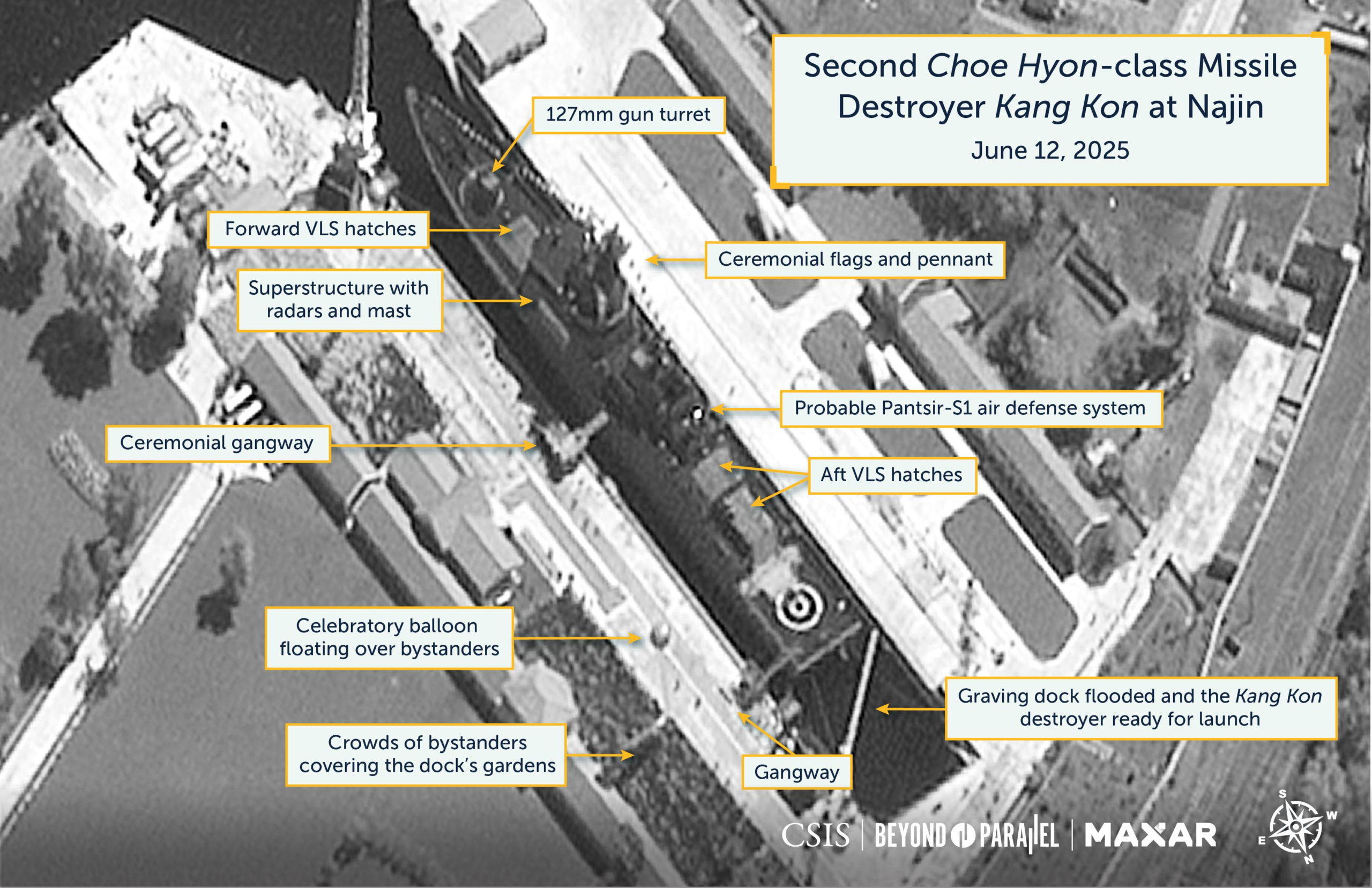
The Choe Hyon-class destroyer is characterized as a new-generation, multi-mission warship, designed to perform a range of roles:
- Surface warfare (anti-ship operations)
- Strategic strike missions (via cruise missiles)
- Integrated command and control operations
At approximately 5,000 tons displacement, the vessel sits within the mid-range category of modern destroyers, balancing firepower, endurance, and operational flexibility.


Integrated Weapon Systems
A central feature of the destroyer is its integrated weapons command system, which allows:
- Coordinated missile launches
- Real-time targeting adjustments
- Enhanced resistance to electronic interference
This level of integration suggests a shift toward network-centric warfare, where systems operate cohesively rather than independently.
Strategic Intent: Beyond a Single Warship
Expansion Plans
The Choe Hyon is not an isolated development. Plans are already underway to expand the fleet:
- Two additional destroyers are under construction
- References have emerged to a fourth vessel, marking the first official acknowledgment of such expansion
This indicates a move toward establishing a destroyer flotilla, rather than relying on standalone platforms.
Production Strategy
Statements from leadership suggest an ambitious production timeline:
- Construction of multiple destroyers annually
- Continuous upgrades to maintain technological parity or advantage
Such scaling reflects a long-term commitment to naval modernization.
Military Doctrine and Strategic Messaging
Emphasis on Nuclear Deterrence
During the test observation, Kim Jong-un reiterated a consistent policy priority:
Strengthening a “powerful and reliable nuclear war deterrent” remains central to national defense.
This statement aligns with the integration of strategic cruise missiles, which analysts believe may be capable of carrying nuclear warheads.
Multi-Domain Development
Experts note that weapons development is advancing across multiple domains:
- Naval platforms
- Missile systems
- Delivery mechanisms
This coordinated approach suggests an effort to ensure interoperability between land, sea, and strategic forces.
Regional and Global Implications
Signaling Capability and Intent
The Choe Hyon-class destroyer serves as both:
- A functional military asset
- A strategic signal to regional and global observers
By demonstrating ship-based missile capabilities, the country underscores its ability to project power beyond its immediate coastline.
Timing and Geopolitical Context
Analysts point out that these developments are occurring amid broader global distractions, which may create space for accelerated weapons advancement.
This raises concerns about:
- Escalation dynamics in the region
- Shifts in naval balance within East Asia
- Increased emphasis on maritime deterrence
The Evolution of Naval Strategy
From Coastal Defense to Offensive Reach
Historically, the naval strategy of the DPRK focused heavily on coastal defense and asymmetric warfare. The introduction of the Choe Hyon-class signals a transition toward:
- Offensive maritime capability
- Extended operational range
- Integrated strike platforms
Toward a Modern Fleet Structure
The formation of a destroyer flotilla suggests a future naval structure that includes:
- Coordinated task groups
- Multi-ship operations
- Enhanced command-and-control networks
This aligns more closely with modern naval doctrines seen in larger maritime powers.
What Comes Next
The trajectory of the Choe Hyon-class program points toward continued expansion and refinement:
- Additional vessels entering service
- Ongoing testing of advanced weapon systems
- Integration with broader military strategy
If production targets are met, the next few years could see the emergence of a significantly more capable and coordinated naval force.
Conclusion
The Choe Hyon-class destroyer represents more than a new warship—it is a platform for strategic transformation. Through advanced missile systems, integrated command capabilities, and planned fleet expansion, it reflects a deliberate effort to reshape naval power dynamics.
The recent missile tests underscore both technical progress and strategic intent. As additional vessels are constructed and capabilities evolve, the Choe Hyon-class will likely remain central to discussions about regional security and maritime strategy.