
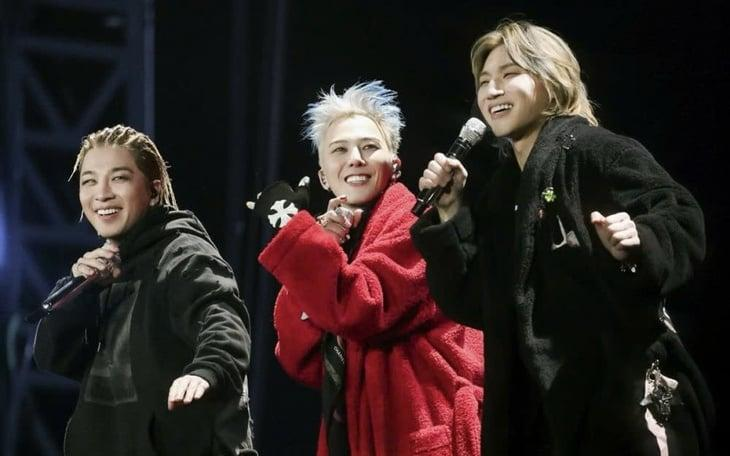
Big Bang at Coachella 2026: A Defining Return That Signals a New Era
A Moment Two Decades in the Making
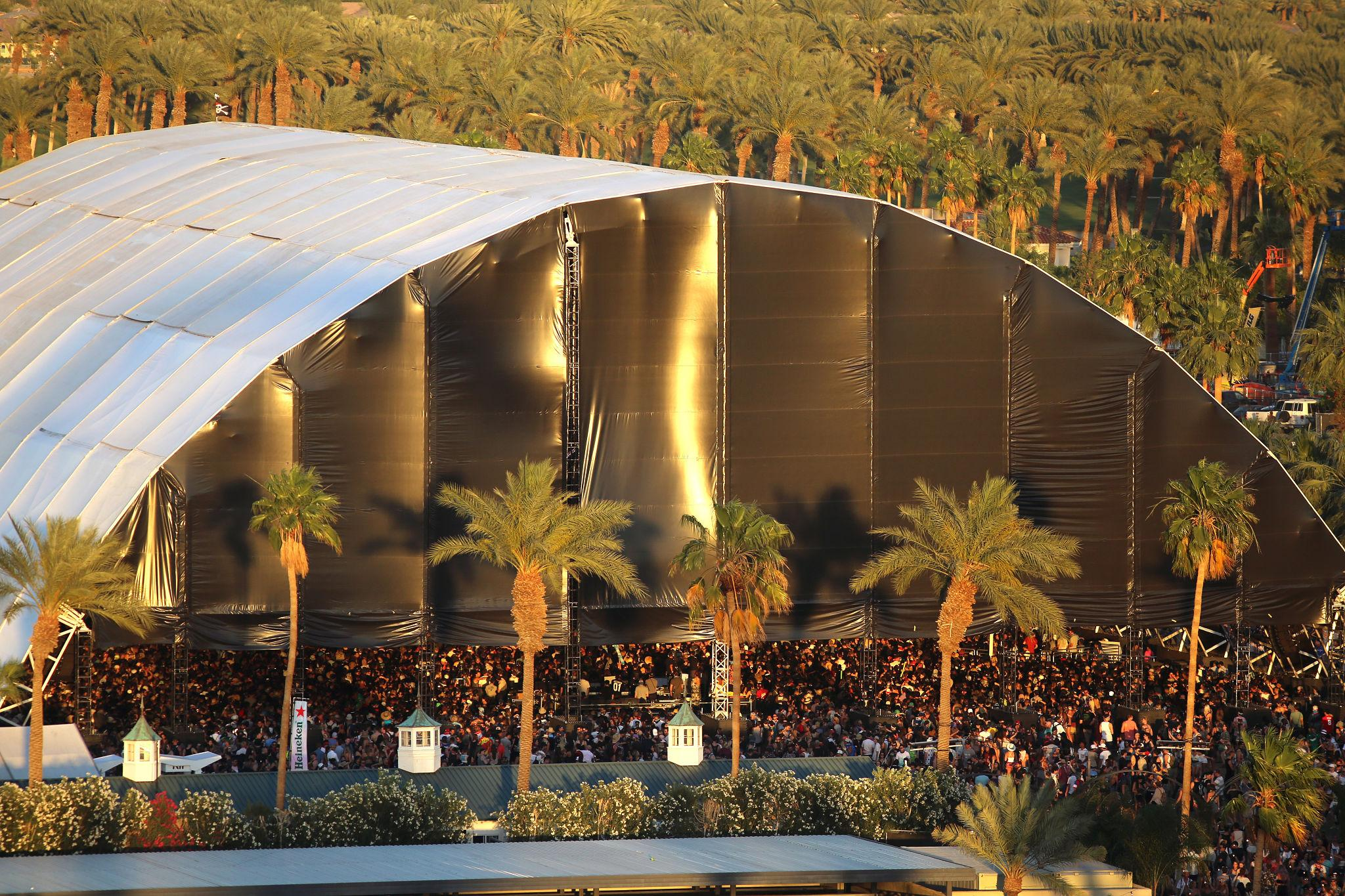
When Big Bang stepped onto the stage at the Coachella Valley Music and Arts Festival in April 2026, it was more than just another festival performance. It was a carefully anticipated return—one shaped by years of absence, evolving identities, and a legacy that continues to define K-pop’s global expansion.
The trio—G-Dragon, Taeyang, and Daesung—delivered a 60-minute set at the Outdoor Theatre stage that functioned as both a retrospective celebration and a forward-looking declaration. With their 20th anniversary approaching, the performance marked a decisive turning point in their career trajectory.
From Canceled Plans to Global Reintroduction
Big Bang’s Coachella debut had been years in the making. Originally scheduled for 2020, the group’s appearance was canceled due to the global COVID-19 pandemic. That lost opportunity added weight to their 2026 return, transforming it into a symbolic moment of completion and renewal.
The performance also carried additional significance as the group’s first full-scale stage together since their “Last Dance” tour in 2017. While members remained active individually and occasionally collaborated, this marked a rare and highly anticipated reunion under the Big Bang name on a global platform.
“It took us a long time to get here,” G-Dragon told the crowd. “B to the I to the G to the Bang is back.”
Opening With Power, Sustaining Momentum
The set opened with immediate intensity. Backed by a live band and accompanied by dancers waving signature Big Bang flags, Daesung launched into “Bang Bang Bang,” quickly joined by his fellow members. The energy carried seamlessly into a medley of “Fantastic Baby” and “Sober,” establishing a tone of controlled spectacle.
From the outset, the performance emphasized scale. Thousands of fans filled the venue, many holding crown-shaped VIP-bong light sticks—an iconic symbol of the group’s fandom. The audience’s ability to sing along to Korean lyrics underscored Big Bang’s sustained global reach, even after years of reduced group activity.
Balancing Legacy and Evolution
The structure of the setlist reflected a deliberate balance between nostalgia and progression. After the high-energy opening, the group transitioned into a more reflective segment featuring “A Fool of Tears,” “Lies,” “Haru Haru,” and “Loser.” These tracks, deeply associated with Big Bang’s early identity, served as a reminder of their foundational sound and emotional storytelling.
At the same time, the performance avoided becoming purely retrospective. Instead, it integrated newer material and solo stages, reinforcing the idea that Big Bang remains an evolving act rather than a legacy brand relying solely on past success.
Individual Identity as Collective Strength
One of Big Bang’s defining characteristics has always been the strong individuality of its members, and the Coachella stage amplified that dynamic.
- Taeyang delivered a high-energy performance of “Ringa Linga,” energizing the crowd.
- G-Dragon followed with “Power,” drawn from his recent solo work, emphasizing his continued artistic relevance.
- The duo reunited for “Good Boy,” generating one of the loudest audience reactions of the night.
Daesung introduced one of the most unexpected elements of the set: a trot segment featuring “Hando Chogua” and “Look At Me, Gwisun.” The inclusion of a traditionally Korean genre in a Western festival setting created a striking cultural contrast—and was met with enthusiastic audience engagement.
A Global Audience, A Cultural Statement
The performance highlighted more than musical versatility—it reinforced Big Bang’s role as a cultural bridge. Coachella, known for its diverse and international lineup, provided a platform where K-pop’s influence was not just visible but central.
With over 200,000 attendees annually, Coachella represents one of the largest global music gatherings. Big Bang’s presence, alongside other K-pop acts and international artists, reflected the continued globalization of Korean pop culture.
Fan reactions amplified this narrative. Social media buzz surged during and after the performance, with clips of the set trending worldwide. The group’s ability to command such attention after years away from full-group activity demonstrates enduring brand equity rarely seen in the industry.
The Emotional Weight of the Finale
As the performance neared its conclusion, the tone shifted again—this time toward reflection and gratitude.
“This stage means a lot to us,” Taeyang said. “We’ve spent half our lives together and we’re grateful to share our music and passion with all of you.”
The set closed with “Still Life,” the group’s most recent release. Notably, the track includes vocals from former member T.O.P, whose presence was felt through recorded audio despite his absence from the stage. The decision to include his voice added emotional depth to the finale, reinforcing the group’s complex history.
Beyond Coachella: Signals of a New Chapter
Throughout the performance, the members repeatedly hinted at future plans. G-Dragon told the audience:
“This is just the beginning of our 20th anniversary. We’ve got big things coming.”
Taeyang also referenced his upcoming solo album, “Quintessence,” while broader discussions surrounding a potential world tour have already begun to surface.
Big Bang is scheduled to return for a second Coachella performance on April 19, reinforcing their renewed commitment to live performances and global engagement.
Why This Moment Matters
Big Bang’s Coachella debut is significant not only because it happened, but because of what it represents.
- It marks the reactivation of one of K-pop’s most influential groups.
- It demonstrates the sustained global demand for second-generation K-pop acts.
- It signals a strategic pivot toward large-scale international performances ahead of a major anniversary milestone.
For an industry often driven by rapid turnover and constant reinvention, Big Bang’s return challenges the notion that longevity diminishes relevance. Instead, it suggests that legacy—when combined with adaptation—can become a powerful driver of renewed influence.
Conclusion: A Return That Redefines Legacy
Big Bang’s appearance at Coachella 2026 was not framed as a comeback in the traditional sense. It was positioned—and executed—as a reintroduction.
The performance blended nostalgia with innovation, individual artistry with group cohesion, and cultural specificity with global appeal. As the group approaches its 20th anniversary, the Coachella stage has effectively reset the narrative: Big Bang is no longer simply a legacy act—they are an active force preparing for their next phase.
The message was clear, both in words and execution: the past matters, but the future is already in motion.


