
Jack Harlow’s Reinvention Era: Music, Image, and the Culture Around Him
A New Chapter for Jack Harlow
In 2026, Jack Harlow stands at a pivotal point in his career—one defined not just by music releases, but by a deliberate shift in identity, sound, and cultural positioning. Known for his earlier chart-dominating rap hits, Harlow is now navigating a more experimental phase, blending R&B influences with introspective lyricism and bold visual choices.
- A New Chapter for Jack Harlow
- The ‘Monica’ Era: A Strategic Artistic Pivot
- ‘Say Hello’ and the Viral Moment That Followed
- Fashion as Messaging: Intentional or Accidental?
- Pop Culture Crossovers and Media Presence
- Audience Reaction: Support, Criticism, and Debate
- Touring the New Identity
- What This Means for the Industry
- Conclusion: A Defining Moment in Real Time
This evolution is not happening quietly. From viral fashion moments to high-profile television appearances, Harlow’s current trajectory reflects an artist actively reshaping how he is perceived in an increasingly competitive and fast-moving music industry.
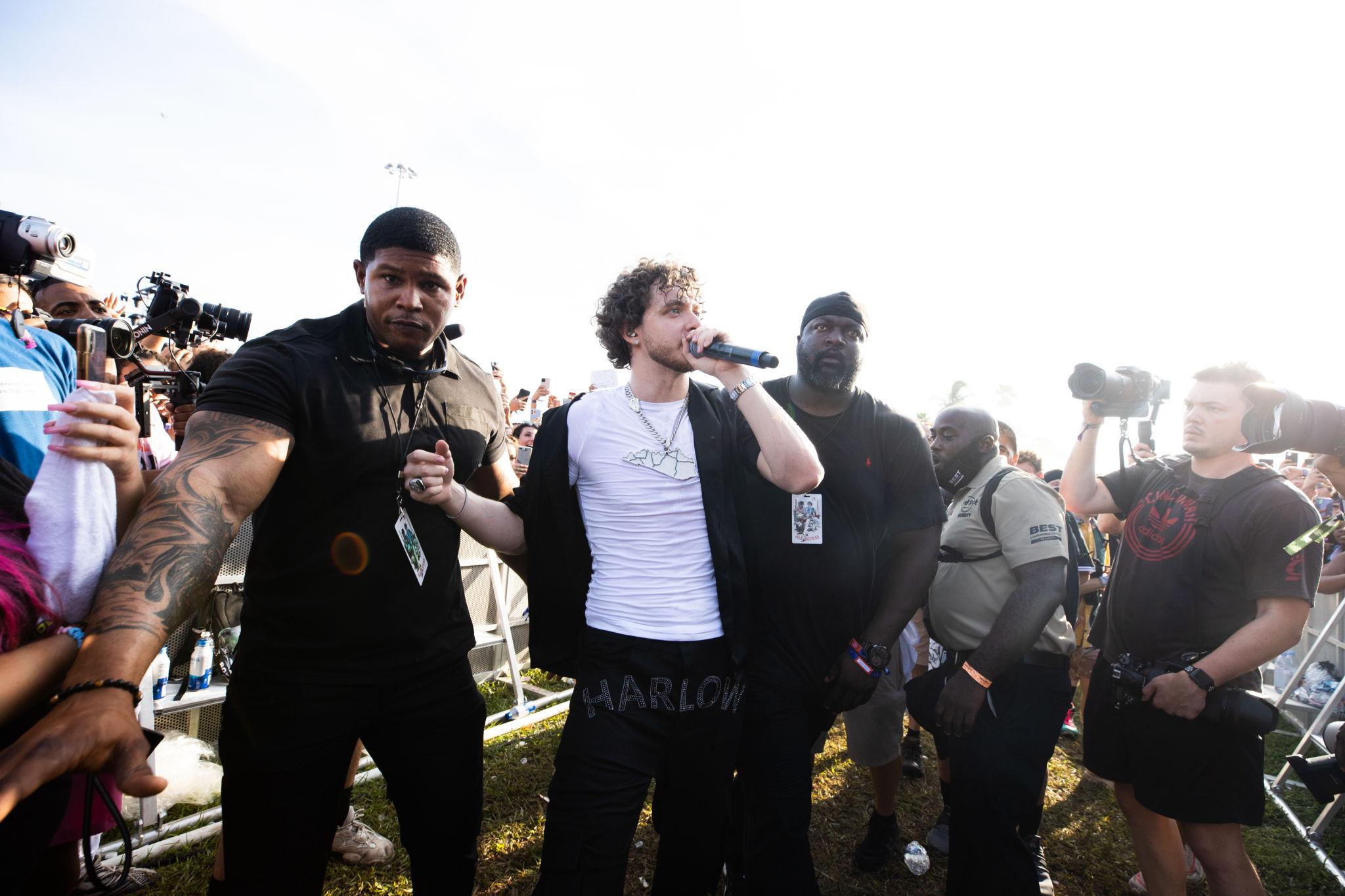

The ‘Monica’ Era: A Strategic Artistic Pivot
At the center of this transformation is his fourth studio album, Monica. The project signals a clear departure from his previous rap-heavy style, leaning instead into softer, melodic, and emotionally driven compositions.
Harlow himself has framed this shift as intentional and personal:


“I knew that there were multiple things appealing about this route, but I also came to the decision, I’m proud to say, off of what feels good in my ear. I love R&B music. I love the sound of soft, intimate, melodic music.”
This statement captures the core of the Monica era—less about commercial formulas and more about artistic instinct. The move toward R&B textures and neo-soul aesthetics positions Harlow within a broader trend of genre fluidity, where strict boundaries between rap and R&B continue to dissolve.
‘Say Hello’ and the Viral Moment That Followed
Harlow’s recent release, “Say Hello,” has become a focal point of conversation—not only for its sound but for its visual presentation.
The music video, released on April 10, 2026, features Harlow walking through the streets of Manhattan in a subdued, almost cinematic style. However, it is not the setting or the melody that initially captured public attention. Instead, a single fashion choice dominated the discourse: an unconventional olive utility hat.
Described as floppy, scrunchy, and difficult to categorize, the hat quickly became a viral talking point across social media platforms. Users compared it to everything from early-2000s fashion pieces to historical military caps, while memes spread rapidly, inserting Harlow into classic album covers and cultural references.


The reaction was polarized. Some viewed the styling as a misstep, while others interpreted it as a calculated risk aligned with his evolving artistic persona.
Fashion as Messaging: Intentional or Accidental?
The attention surrounding the hat highlights a broader question about Harlow’s current strategy: is this a carefully curated aesthetic shift, or a byproduct of experimentation?
In contemporary music culture, visual identity is inseparable from sound. Artists frequently use fashion to signal transitions—whether into new genres, audiences, or narratives. In this context, Harlow’s styling choices appear less incidental and more symbolic.
The hat, while widely debated, effectively functioned as a visual shorthand for his reinvention. It disrupted expectations, forced conversation, and reinforced the idea that Harlow is willing to challenge his established image.
Pop Culture Crossovers and Media Presence
Harlow’s visibility extends beyond music videos. His recent association with Saturday Night Live reflects his continued presence in mainstream entertainment, where his persona is both referenced and reinterpreted.
In a recent Weekend Update segment, his new album became a subject of comedic discussion, underscoring his cultural relevance. This type of crossover—between music and television—demonstrates how Harlow’s brand operates across multiple platforms simultaneously.
At the same time, his name has surfaced in broader entertainment conversations, including viral social media trends. Actor Chet Hanks notably referenced Harlow in a trending “Iris” nostalgia challenge, inserting the rapper’s image into a sequence of throwback photos. The moment, while humorous, further illustrates Harlow’s growing recognition as a cultural reference point.
Audience Reaction: Support, Criticism, and Debate
Public response to Harlow’s current direction has been mixed but highly engaged. Supporters view the Monica era as a necessary evolution, praising his willingness to experiment and expand beyond traditional rap frameworks.
Critics, however, have raised concerns about authenticity and industry dynamics. Some social media users questioned whether the industry’s embrace of Harlow’s R&B pivot reflects broader inequalities, particularly regarding how similar styles by other artists are received.
This tension is not unique to Harlow. It reflects ongoing debates within the music industry about genre ownership, cultural influence, and the mechanisms that shape mainstream success.
Touring the New Identity
Despite the divided reactions, Harlow is moving forward with confidence. A 17-city North American tour supporting Monica is scheduled to begin on August 4 in Brooklyn, extending through late summer.
The tour will serve as a critical test of this new phase. Live performances offer a different kind of validation—one that depends on audience connection rather than online discourse. It will also reveal whether the aesthetic and sonic changes translate effectively in a concert environment.
What This Means for the Industry
Harlow’s current trajectory reflects several broader trends shaping the music landscape:
- Genre fluidity is now the norm, not the exception
- Visual identity carries equal weight as sound
- Viral moments can redefine an artist’s narrative overnight
- Audience feedback is immediate and influential, particularly through social media
His willingness to take risks—whether musically or visually—positions him within a category of artists who prioritize evolution over consistency.
Conclusion: A Defining Moment in Real Time
Jack Harlow’s 2026 phase is less about a single song or viral accessory and more about a broader recalibration of identity. The Monica era represents an artist testing the limits of his range, embracing uncertainty, and inviting both praise and criticism in equal measure.
Whether this reinvention solidifies his long-term legacy or becomes a transitional chapter will depend on how audiences respond over time. For now, the conversation itself—driven by music, visuals, and cultural moments—confirms one thing clearly: Jack Harlow remains a central figure in contemporary pop culture.