

Montana in 2026: Growth, Tension, and the Battle for Identity
A State at a Turning Point
The Montana of 2026 is no longer defined solely by its vast open landscapes and rugged independence. Instead, it is increasingly shaped by a convergence of economic expansion, political realignment, and environmental pressure. From record-breaking real estate prices to a high-stakes Senate race and ongoing wildlife management debates, Montana is navigating a period of transformation that could redefine its long-term identity.
At the center of this shift lies a critical question: can Montana balance rapid growth with the preservation of its traditional way of life?
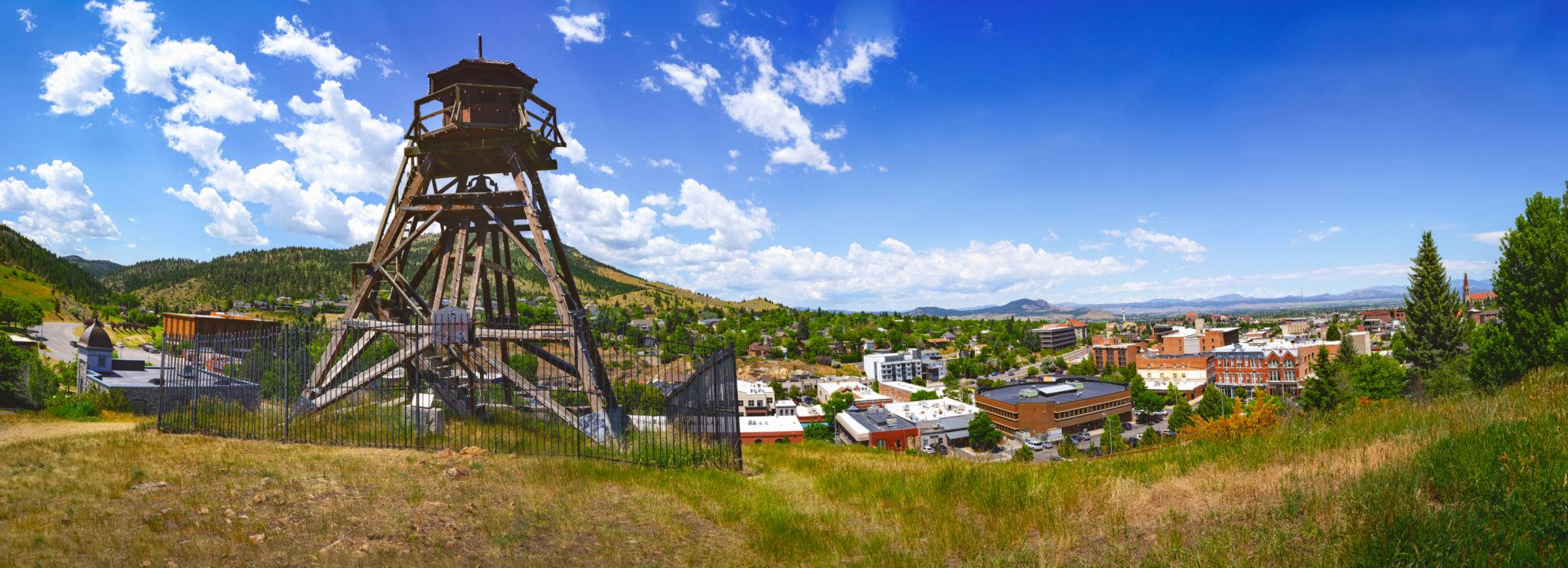
Real Estate Boom Reshaping Rural Montana
Record Prices and Changing Communities
Montana’s housing market has entered unprecedented territory. High-end land parcels are now commanding prices as high as $16.3 million for approximately 357 acres, signaling a dramatic escalation in property values across the state.
This surge reflects a broader trend: increased demand driven by migration, investment interest, and lifestyle appeal. However, the consequences are becoming more visible:
- Long-term residents are increasingly priced out of local markets
- Rural communities are undergoing demographic shifts
- Housing affordability is emerging as a central policy issue
The traditional image of Montana—accessible land and tight-knit rural communities—is being challenged by market forces that favor high-net-worth buyers and external investors.
Industrial Expansion Adds Complexity
Parallel to the housing surge, Montana is experiencing targeted industrial growth. A notable example is the expansion of the Montana Knife Company, which has broken ground on a 51,000-square-foot facility in Missoula. The project is expected to support over 100 jobs, reflecting a shift toward specialized manufacturing.
This development highlights a dual dynamic:
- Economic diversification through manufacturing
- Increased pressure on local infrastructure and housing
While job creation strengthens the state’s economy, it also intensifies demand for already limited housing, further exacerbating affordability concerns.
A High-Stakes Senate Race Redefines Political Dynamics
Open Seat Sparks Competitive Contest
The political landscape in Montana has become increasingly volatile following the decision by Steve Daines not to seek re-election in 2026. His departure has opened the field for a highly competitive Senate race, drawing both establishment and independent candidates.
Among the key figures:
- Kurt Alme, a Republican candidate and the preferred successor of Daines
- Seth Bodnar, a high-profile independent contender
Polling data indicates that Alme holds a significant lead, but the race remains fluid as the June 2 primaries approach.
Divided Electorate Reflects Broader Change
The election is more than a contest for a Senate seat—it is a referendum on Montana’s future direction. Voters are increasingly split between:
- Traditional conservative values rooted in rural identity
- Emerging priorities tied to urban growth and modernization
This division mirrors the broader tension within the state, where rapid development is forcing a reassessment of long-standing political and cultural norms.
Wildlife Management and Environmental Pressures
The Wolf Population Debate
Environmental policy remains a central issue, particularly regarding wolf population management. State officials continue to struggle with meeting established population targets, a challenge that has significant implications for both ecology and the economy.
Key concerns include:
- Impact on livestock and rural livelihoods
- Preservation of biodiversity and ecosystem balance
- The role of outdoor recreation in the state economy
For many stakeholders, wildlife management is not an abstract issue—it is directly tied to economic sustainability and land use practices.
Development vs. Conservation
The expansion of real estate and infrastructure is increasingly intersecting with environmental goals. As new developments encroach on natural habitats, policymakers face complex trade-offs:
- Encouraging economic growth without degrading ecosystems
- Balancing private property rights with conservation priorities
- Managing public expectations around land use and sustainability
This intersection has become a focal point in both local governance and the broader political debate.
Cultural and Political Discourse Intensifies
“Montana Values” Under Scrutiny
Political rhetoric in the state has grown more pointed, particularly around the concept of “Montana values.” Critics argue that the phrase is being used as a political tool rather than a genuine reflection of shared principles.
The debate has expanded into broader questions about:
- Constitutional rights and judicial independence
- The role of legislation in shaping social policy
- The balance between tradition and inclusivity
These discussions are shaping public perception and influencing voter behavior ahead of the 2026 election.
Education, Community Programs, and Local Engagement
Grassroots Initiatives Continue to Grow
Despite the broader tensions, community-driven programs remain a stabilizing force. Initiatives such as the Montana Master Gardener Program demonstrate ongoing investment in education and public engagement.
Key features of the program include:
- Training courses lasting 8 to 10 weeks
- Over 16 hours of classroom instruction
- Required volunteer service and examinations
Such programs reflect a commitment to knowledge-sharing and community development, even as the state undergoes significant change.
Workforce and Safety Training
Events like SafetyFestMT, held annually in Helena, continue to provide essential training across industries such as agriculture, construction, and small business operations. Officials emphasize the importance of safety as both a workplace priority and a broader cultural value.
Statements from leadership reinforce this focus:
- “Safety is more than a policy. It is a culture that protects us at work, while traveling and throughout our daily lives.”
- “Buckling up, staying focused on the road and driving at safe speeds are all critical for protecting yourself and others.”
These initiatives highlight the ongoing effort to maintain community resilience amid rapid transformation.
The Broader Implications for Montana’s Future
Montana’s current trajectory is defined by a complex interplay of forces:
- Economic expansion driving opportunity and inequality
- Political competition reshaping governance priorities
- Environmental challenges testing sustainability frameworks
The convergence of these elements suggests that the state is entering a decisive phase. The outcome will likely determine whether Montana can integrate growth while preserving the characteristics that have historically defined it.
Conclusion: A State Balancing Growth and Identity
Montana in 2026 is not simply evolving—it is negotiating its identity. Record real estate prices, a competitive Senate race, and ongoing environmental debates are all symptoms of a deeper transformation.
The state’s future will depend on how effectively it can reconcile competing priorities:
- Growth versus affordability
- Development versus conservation
- Tradition versus modernization
What remains clear is that Montana’s path forward will not be shaped by a single factor, but by the delicate balance between them.


