

Sam Levinson: grief, controversy, and creative reinvention in Euphoria Season 3
A creator at a turning point
Few television creators have shaped modern youth drama as decisively as Sam Levinson. With Euphoria, he built a visually distinctive and emotionally raw portrayal of adolescence that became both critically acclaimed and culturally divisive.
By April 2026, Levinson finds himself at a pivotal moment. The long-awaited third season of Euphoria arrives not just as a continuation of a hit series, but as a project deeply influenced by personal loss, industry disruption, and growing scrutiny over his creative decisions.
This phase of his career is less about expansion and more about recalibration—balancing artistic ambition with emotional reality.
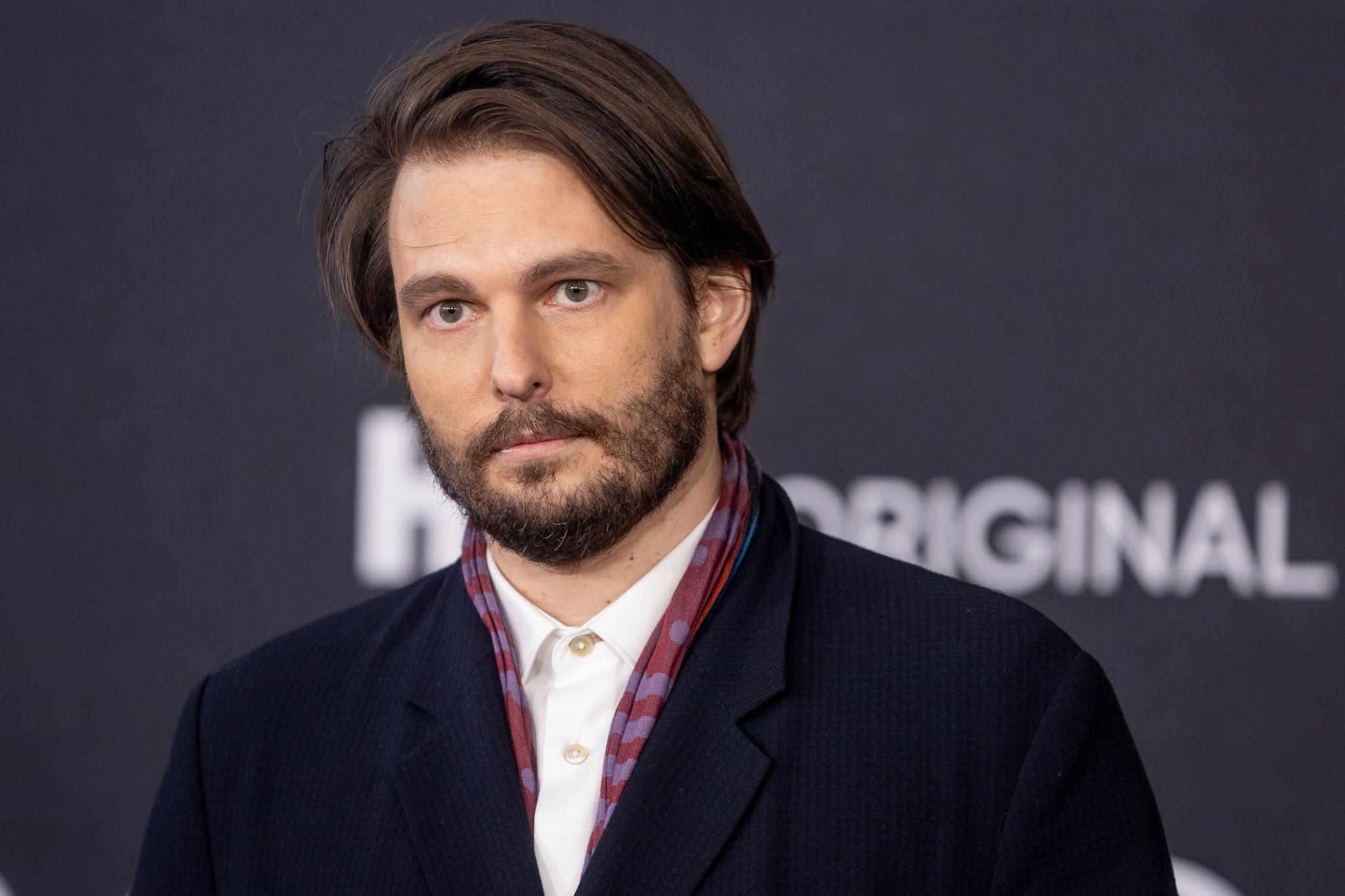
The long road to Season 3
The gap between Season 2 (released in early 2022) and Season 3 stretched beyond four years, an unusually long hiatus for a flagship television series. While logistical challenges played a role—industry strikes, scheduling conflicts, and an increasingly high-profile cast—Levinson has made it clear that the delay had deeper roots.
At a screening held at the TCL Chinese Theatre, he explained:
“Some people ask why it took so long between seasons two and three… there were obvious factors — the strikes… but the real time was in trying to figure out how to find a way to pay respect to those who we lost.”
That statement frames Season 3 not simply as a narrative continuation, but as a work shaped by grief and reflection.
Loss woven into storytelling
Season 3 opens on a markedly emotional tone, reflecting the deaths of several key figures connected to the series:
- Angus Cloud (died in 2023 at age 25 from acute intoxication)
- Eric Dane (died in February 2026 due to respiratory failure, with ALS as a contributing factor)
- Kevin Turen (passed away unexpectedly at 44)
The premiere episode closes with in memoriam cards honoring all three, establishing a tone that blurs the line between fiction and real-life mourning.
Levinson’s approach is not symbolic alone—it is embedded into the narrative structure itself.
Preserving Fezco: storytelling as tribute
One of the most discussed creative decisions in Season 3 concerns the character Fezco, portrayed by Angus Cloud.
Rather than writing the character out entirely, Levinson chose to keep Fez alive within the story. The show reveals that Fez is serving a 30-year prison sentence, still emotionally tied to Lexi (played by Maude Apatow).
The decision reflects Levinson’s personal attachment:
“I fought very hard to keep him clean when he was alive… I felt like if I couldn’t keep him alive in life, then I could in the show.”
This approach positions storytelling as a form of preservation—an attempt to extend a legacy through narrative continuity.
Adapting to reality: Eric Dane’s final performance
The case of Eric Dane introduces another layer of complexity. Known widely for his role in Grey’s Anatomy, Dane had completed scenes for Season 3 before his death.
Levinson revealed that he adjusted the script in real time to accommodate the actor’s health:
“He showed up, and I could tell he had a slight slur in his voice… I said, ‘Don’t worry. We’ll just put, like, five beer bottles in front of you…’”
This improvisational adjustment demonstrates a pragmatic side of Levinson’s direction—modifying narrative logic to support real-world conditions while preserving character integrity.
A visual and thematic reinvention
Beyond its emotional core, Season 3 signals a technical and stylistic shift.
Levinson and cinematographer Marcell Rév adopted:
- 65mm film for a more cinematic texture
- A wider aspect ratio to expand visual storytelling
- Real-world locations instead of constructed sets
These changes aim to reflect the maturation of characters—particularly Rue, played by Zendaya—who now navigates adulthood after a four-year narrative jump.
The story begins with Rue in Mexico, entangled in high-risk drug operations tied to the character Laurie (played by Martha Kelly), before shifting toward a more grounded yet still volatile reality.
Confronting contemporary crises
Season 3 also engages more directly with real-world issues, particularly the opioid epidemic. Levinson drew inspiration from law enforcement imagery and drug trafficking realities, including fentanyl-related overdoses that surged in 2023.
The narrative introduces high-stakes scenarios involving drug distribution networks and rival figures such as Alamo (played by Adewale Akinnuoye-Agbaje), reinforcing the show’s shift toward systemic, rather than purely personal, conflict.
Controversy and criticism intensify
While Euphoria has always courted controversy, Season 3 appears to have amplified criticism significantly.
Key concerns include:
- Narrative tone: Critics argue the show has become more judgmental and less nuanced in its portrayal of sex work
- Character treatment: Some storylines—particularly involving Cassie (Sydney Sweeney)—have been labeled exploitative
- Creative tensions: Reports of disagreements on set and cast departures, including Barbie Ferreira’s exit
- Public reception: Descriptions such as “humourless work of torture porn” and “exercise in fetishisation” have emerged in early reviews
Additionally, external factors such as the departure of composer Labrinth and ongoing speculation about cast dynamics have added to the perception of instability around the production.
Evolution or fragmentation?
Levinson himself appears aware of the stakes. His approach to Season 3 suggests a willingness to dismantle earlier formulas in favor of something more unpredictable.
This includes:
- Blending humor with high-risk drama
- Introducing unconventional narrative devices
- Exploring adult themes with less restraint
However, the question remains whether this evolution strengthens the series or fractures its identity.
Cultural impact and future trajectory
Despite controversy, Levinson’s influence on television storytelling remains substantial. Euphoria has reshaped visual language, soundtrack integration, and thematic boldness in youth-oriented drama.
Season 3 reinforces several key directions:
- A move toward cinematic television production
- Greater integration of real-world crises into narrative arcs
- A willingness to provoke—even at the cost of audience division
Looking ahead, Levinson’s trajectory will likely depend on how effectively he balances innovation with coherence. The response to Season 3 will not only shape Euphoria’s future but also determine his standing as a long-term creative force in the industry.
Conclusion
Sam Levinson’s current phase is defined by tension—between grief and creation, ambition and criticism, continuity and reinvention.
Season 3 of Euphoria is less a return than a transformation. It reflects a creator grappling with loss while pushing his work into riskier territory. Whether this approach ultimately resonates or alienates, it confirms one point: Levinson is not interested in repeating himself.


