
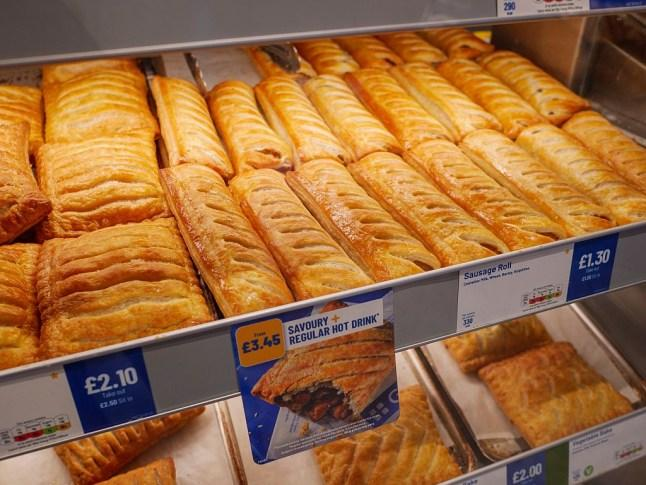
Greggs Chicken Sausage Roll: A New Chapter in Britain’s Most Iconic Snack
A Familiar Favourite, Reimagined
The launch of the Greggs chicken sausage roll marks a notable moment for one of Britain’s most recognizable food institutions. Long associated with the traditional pork sausage roll and, more recently, its vegan counterpart, Greggs has now completed what it describes as a “roll trilogy”—a strategic expansion that reflects both changing consumer tastes and the evolving identity of the British high street.
Available nationwide across more than 2,700 locations, the chicken sausage roll enters the market at a price of £1.35, matching the cost of the classic pork version. Its introduction is not merely a product update; it represents a calculated step in Greggs’ ongoing transformation from a traditional bakery into a dominant fast-food player in the UK.
From Bakery Staple to Cultural Symbol
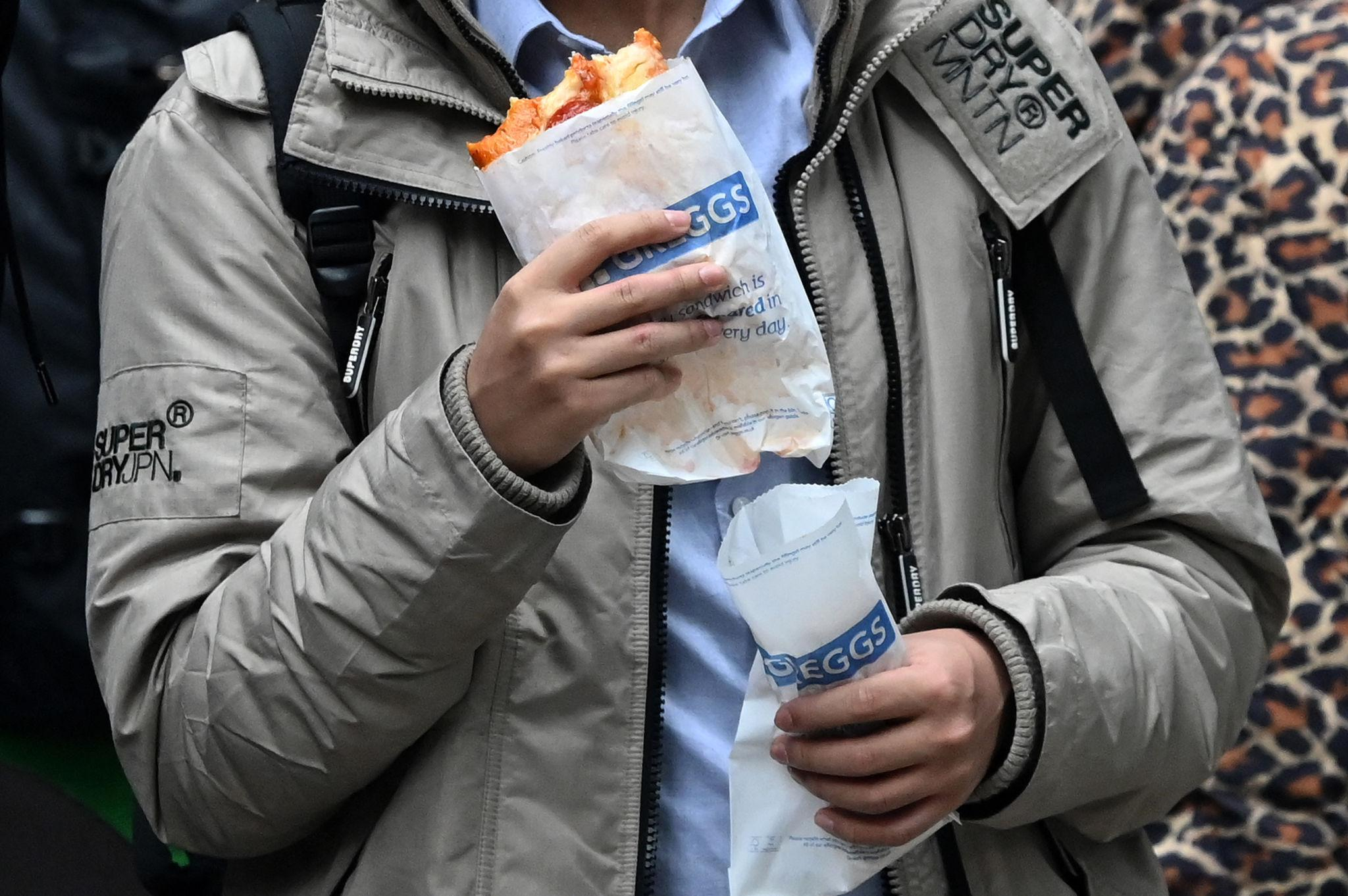
To understand the significance of the chicken sausage roll, it is necessary to examine the role Greggs plays in British culture. With 2,735 outlets nationwide, its presence on high streets is nearly ubiquitous. The brand’s original sausage roll has transcended its culinary origins to become a cultural artifact—appearing on Christmas jumpers, inspiring novelty songs, and even earning a place at Madame Tussauds.
Historically, the sausage roll itself predates Greggs by over a century. The earliest known reference dates back to 1809, when a “sausage-roll merchant” was mentioned in the Norwich Post. Early versions were closer to pies, featuring dense shortcrust pastry and whole sausages. Greggs’ innovation was not invention, but scale—standardizing production and distribution to make the product widely accessible and affordable.
Founded in 1939, the company initially focused on bread and cake deliveries by bicycle before expanding aggressively in the 1970s through acquisitions of local bakeries. This expansion enabled centralized production and lower prices, contributing to the decline of independent competitors while cementing Greggs’ national dominance.
What Sets the Chicken Sausage Roll Apart
At first glance, the chicken sausage roll closely resembles its predecessors. It retains the signature cylindrical shape and glossy puff pastry exterior. However, subtle differences distinguish it from the pork and vegan options.
Composition and Nutritional Profile
The most obvious change is the filling: seasoned chicken replaces pork, resulting in a slightly lighter product. The chicken roll contains approximately 305 calories—around 33 to 43 calories fewer than the traditional version.
Texture and Taste
Early assessments describe the pastry as less flaky, collapsing more cleanly when bitten. The filling is characterized as mildly seasoned, with a subtle texture and a flavor profile reminiscent of familiar convenience foods such as chicken-flavored crisps or instant noodles.
Critics have summarized the experience as “perfectly decent” or “totally serviceable,” suggesting a deliberate emphasis on neutrality rather than bold flavor. This contrasts with the richer, more distinctive taste of the original pork sausage roll, which remains a benchmark for the category.
Visual Identity
Interestingly, Greggs has maintained visual consistency across its product line while introducing subtle identifiers. The chicken sausage roll can be distinguished by a wavy cut on the pastry, compared to diagonal cuts for pork and heavily grooved patterns for the vegan option.
Market Context and Consumer Response
The rollout of the chicken sausage roll comes at a time when Greggs is navigating both growth and changing consumer dynamics. The company reported total sales of £2.15 billion, alongside a 17.9% decline in pre-tax profits to £167.4 million, reflecting broader economic pressures such as rising costs and cautious consumer spending.
Despite these challenges, Greggs continues to expand, with 121 new store openings in 2025 and plans to exceed 3,000 locations in the long term.
A Quieter Launch Than Expected
Unlike the viral success of the vegan sausage roll in 2019—which generated intense media coverage and social media debate—the chicken variant has entered the market with relatively little fanfare.
Even promotional efforts, such as a themed 1990s video store activation in Soho, failed to generate the long queues typically associated with major Greggs launches.
This subdued reception may indicate a shift in public perception: Greggs is no longer a novelty disruptor but an established fast-food entity whose innovations are expected rather than surprising.
A Reflection of Modern British Food Culture
The introduction of the chicken sausage roll offers insight into broader trends in British eating habits and cultural identity.
High streets in the UK function as microcosms of national life, reflecting collective preferences and economic realities. Greggs’ ability to adapt its menu while maintaining affordability has allowed it to remain relevant in this environment.
The chicken roll’s relatively neutral flavor profile may also be interpreted as a strategic choice. By avoiding strong seasoning, the product appeals to a wide demographic, reinforcing Greggs’ reputation as a provider of accessible, everyday comfort food.
At the same time, the expansion of the sausage roll lineup—from pork to vegan to chicken—signals a diversification strategy aligned with changing dietary preferences and consumer expectations.
The Business Strategy Behind the Roll
From a commercial perspective, the chicken sausage roll represents incremental innovation rather than radical change. By leveraging an already successful format, Greggs minimizes risk while expanding its customer base.
Key strategic elements include:
- Price parity with the original product, ensuring accessibility
- Familiar presentation, reducing barriers to trial
- Slight nutritional advantage, appealing to health-conscious consumers
- Menu diversification, capturing broader market segments
This approach reflects a mature brand optimizing its core offering rather than reinventing it.
Looking Ahead: What Comes Next?
The long-term impact of the chicken sausage roll remains uncertain. While it may not achieve the cultural resonance of the vegan version or the enduring popularity of the pork original, it serves an important role within Greggs’ portfolio.
Future developments may include:
- Further experimentation with alternative proteins or flavors
- Continued expansion of store locations beyond 3,000 outlets
- Enhanced digital engagement to sustain brand relevance
- Adaptation to economic pressures and shifting consumer behavior
Ultimately, the chicken sausage roll is less about disruption and more about consolidation—strengthening Greggs’ position as a dominant force in the UK’s fast-food landscape.
Conclusion
The Greggs chicken sausage roll is a product that reflects both continuity and change. It builds on a deeply established culinary tradition while responding to modern consumer demands and market conditions.
Though its reception has been more measured than previous launches, its significance lies in what it represents: a brand that has evolved from a local bakery into a national institution, capable of shaping—and reflecting—the everyday eating habits of a country.
In that sense, the chicken sausage roll is not just another menu item. It is a subtle indicator of how British food culture continues to adapt, one pastry at a time.


