
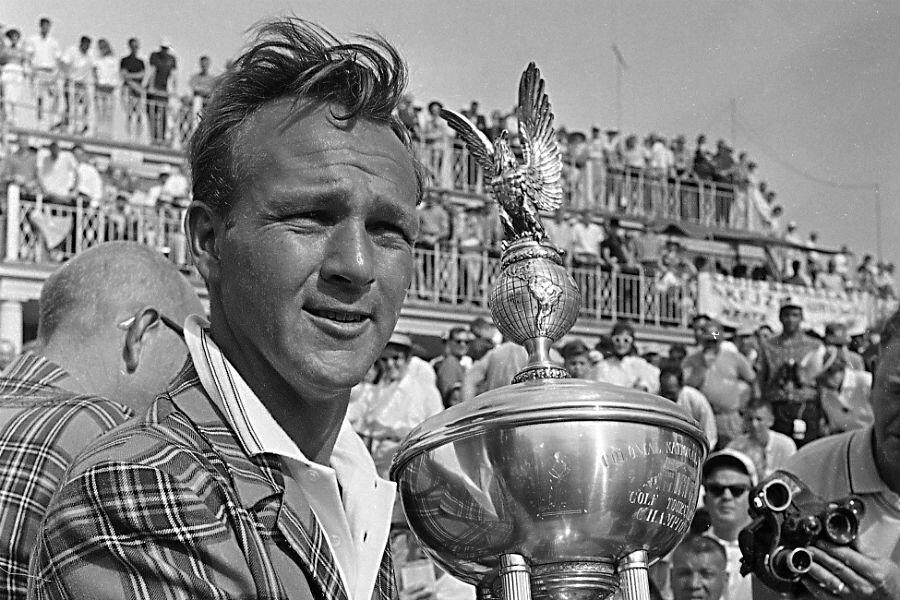
Arnold Palmer: The King Who Transformed Golf Forever
A Narrative of Power, Personality, and Lasting Influence
Few figures in the history of sport have reshaped their discipline as profoundly as Arnold Palmer. More than a champion golfer, Palmer was a cultural force—an athlete whose charisma, aggressive style, and connection with fans elevated golf from a niche pastime into a global spectacle.
This is not simply a story of titles and trophies. It is a narrative of transformation: of how one man’s presence altered the economics, visibility, and emotional appeal of an entire sport.
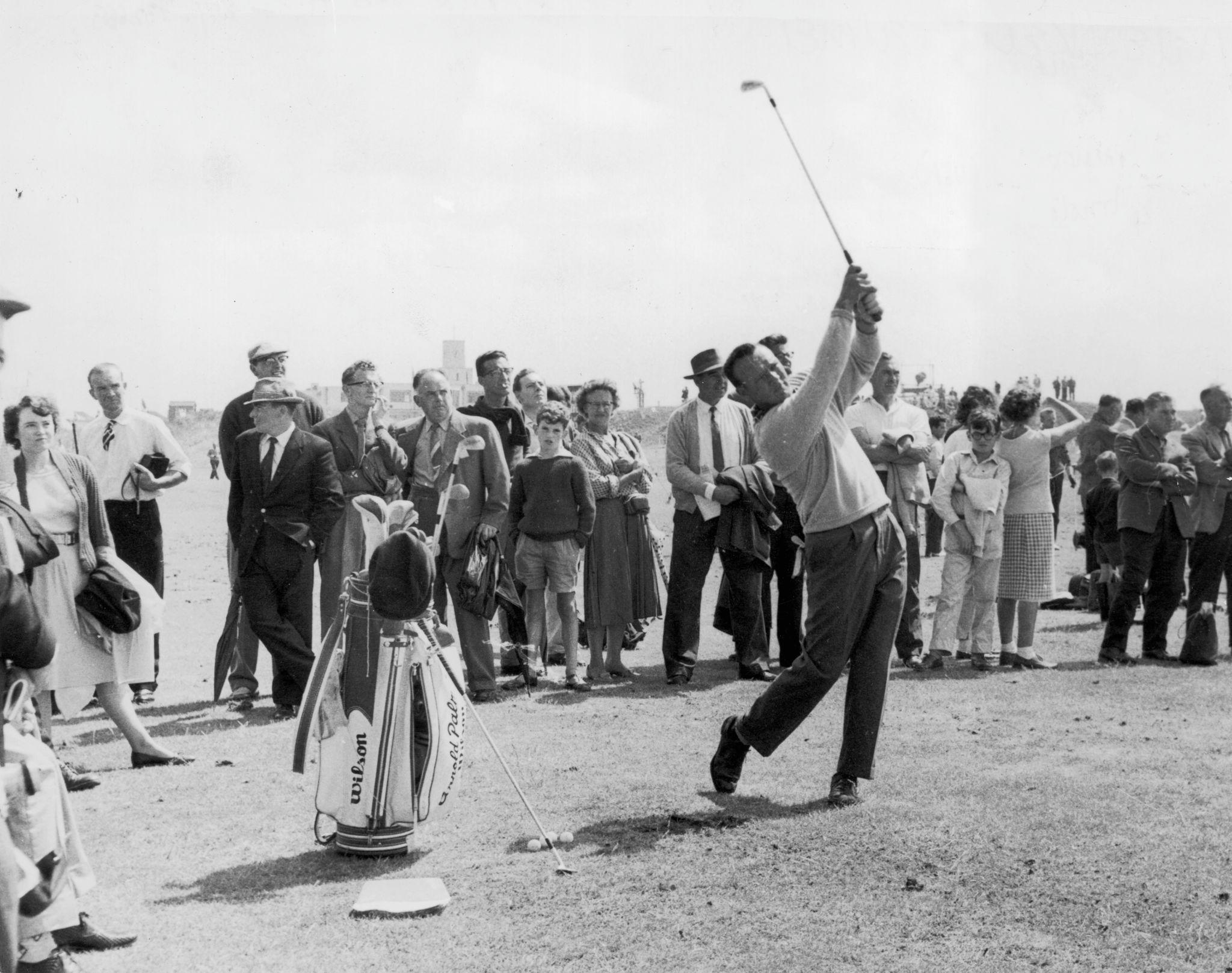
The Rise of “The King”
In the late 1950s and early 1960s, professional golf was undergoing a subtle transition. Into this environment stepped Arnold Palmer—bold, approachable, and relentlessly competitive.
His breakthrough moment came during the The Masters Tournament, where he captured the imagination of fans with his daring play. His victory in 1958 not only earned him a green jacket but also cemented his place as a rising star in golf.
That same year, the now-famous stretch of holes known as “Amen Corner” became part of golf folklore during Palmer’s win. As described in historical accounts, Amen Corner refers to the crucial sequence of holes 11, 12, and 13 at Augusta National Golf Club—a section that has since defined countless Masters outcomes.
Palmer’s performance there, including a controversial but ultimately decisive ruling, helped secure his victory and added a dramatic layer to the tournament’s mythology.
Dominance and Rivalries
By the early 1960s, Palmer had become the face of golf. His aggressive playing style—often taking risks where others played conservatively—set him apart. Fans were drawn not only to his success but to the way he achieved it.
He won four Masters titles, with his last coming in 1964—also marking his final major championship victory.
During this period, one rivalry stood out: Palmer versus Jack Nicklaus. To many fans, Palmer was “The King,” while Nicklaus was initially viewed as the challenger, even the villain.
Nicklaus’s rise—particularly his dominant win in 1965 and subsequent success—signaled a shift in golf’s competitive landscape. Yet even as new stars emerged, Palmer’s influence remained unmatched.
The Birth of Modern Golf Fandom
Arnold Palmer’s greatest legacy may not lie solely in his victories but in his ability to connect with audiences.
He cultivated what became known as “Arnie’s Army”—a loyal, passionate fan base that followed him from tournament to tournament. This was a turning point in sports culture. Golf was no longer just about elite players; it became a spectator-driven experience.
Palmer’s appeal extended beyond the course:
- He was approachable and relatable
- He embraced television, helping expand golf’s reach
- He became one of the first athletes to build a personal brand
This combination transformed golf into a commercial and media-friendly sport.
A Central Figure in Masters Tradition
Even after his competitive peak, Palmer remained deeply connected to the Masters.
The tournament’s ceremonial traditions—particularly the honorary starters—highlight his enduring significance. Since 1963, legends of the game have opened the Masters with symbolic tee shots, and Palmer was a central figure in this ritual for many years.
He later shared this honor with figures like Gary Player and Jack Nicklaus, reinforcing his role as a bridge between generations of golf.
Following his death in 2016, the tradition continued, but his absence marked the end of an era. The ceremony remains a tribute to his lasting presence in the sport.
Style, Influence, and Cultural Impact
Arnold Palmer’s influence extended far beyond statistics.
1. Playing Style
Palmer was known for his attacking approach:
- Taking risks on difficult holes
- Prioritizing excitement over caution
- Creating dramatic, memorable moments
This style helped redefine how golf could be played—and watched.
2. Media and Commercial Growth
Palmer was among the first athletes to:
- Leverage television exposure
- Build endorsement deals
- Expand the business side of sports
His success laid the groundwork for modern athlete branding.
3. Accessibility of Golf
Perhaps most importantly, Palmer made golf feel accessible:
- He connected with everyday fans
- He broke down perceptions of elitism
- He inspired new generations to take up the game
Defining Moments at Augusta
The Masters remains the stage most closely associated with Arnold Palmer.
Key elements of his legacy there include:
- His four Masters victories
- His role in popularizing Amen Corner
- His influence on the tournament’s global appeal
Amen Corner itself—described as both a “slice of heaven” and a potential “golf hell”—captures the drama Palmer brought to the game.
It is a place where tournaments are won or lost, and where Palmer’s legacy continues to echo.
The Enduring Legacy
Arnold Palmer passed away in 2016, but his influence remains deeply embedded in golf.
Today’s game—with its global audience, massive sponsorships, and celebrity athletes—owes much to the foundation he built.
His legacy can be summarized in three dimensions:
- Competitive Excellence – A multiple major champion and dominant figure of his era
- Cultural Impact – A pioneer in sports popularity and fan engagement
- Institutional Influence – A lasting presence in traditions like the Masters
Conclusion: More Than a Golfer
Arnold Palmer was not simply one of the greatest golfers in history—he was the architect of modern golf culture.
From his victories at Augusta to his role in shaping fan engagement, Palmer transformed the sport into something larger than competition. He made it emotional, accessible, and globally relevant.
Even decades after his prime, the echoes of “The King” remain visible every time a crowd gathers, a broadcast airs, or a player takes a bold shot under pressure.


