

Patrice Motsepe: Leadership, Power, and the Test of African Football Governance
A Leader at the Crossroads of Sport and Influence
Patrice Motsepe stands at a pivotal intersection of African business, philanthropy, and football governance. As president of Confederation of African Football (CAF), his leadership is currently under intense scrutiny amid one of the most controversial moments in modern African football—the fallout from the 2025 Africa Cup of Nations (AFCON) final.
Motsepe is not merely an administrator managing a sporting body. He is a billionaire industrialist, a club owner, and a figure whose decisions now carry implications for governance, transparency, and trust across an entire continent.
This moment, shaped by diplomacy, legal battles, and institutional pressure, is defining both his presidency and the future trajectory of African football.
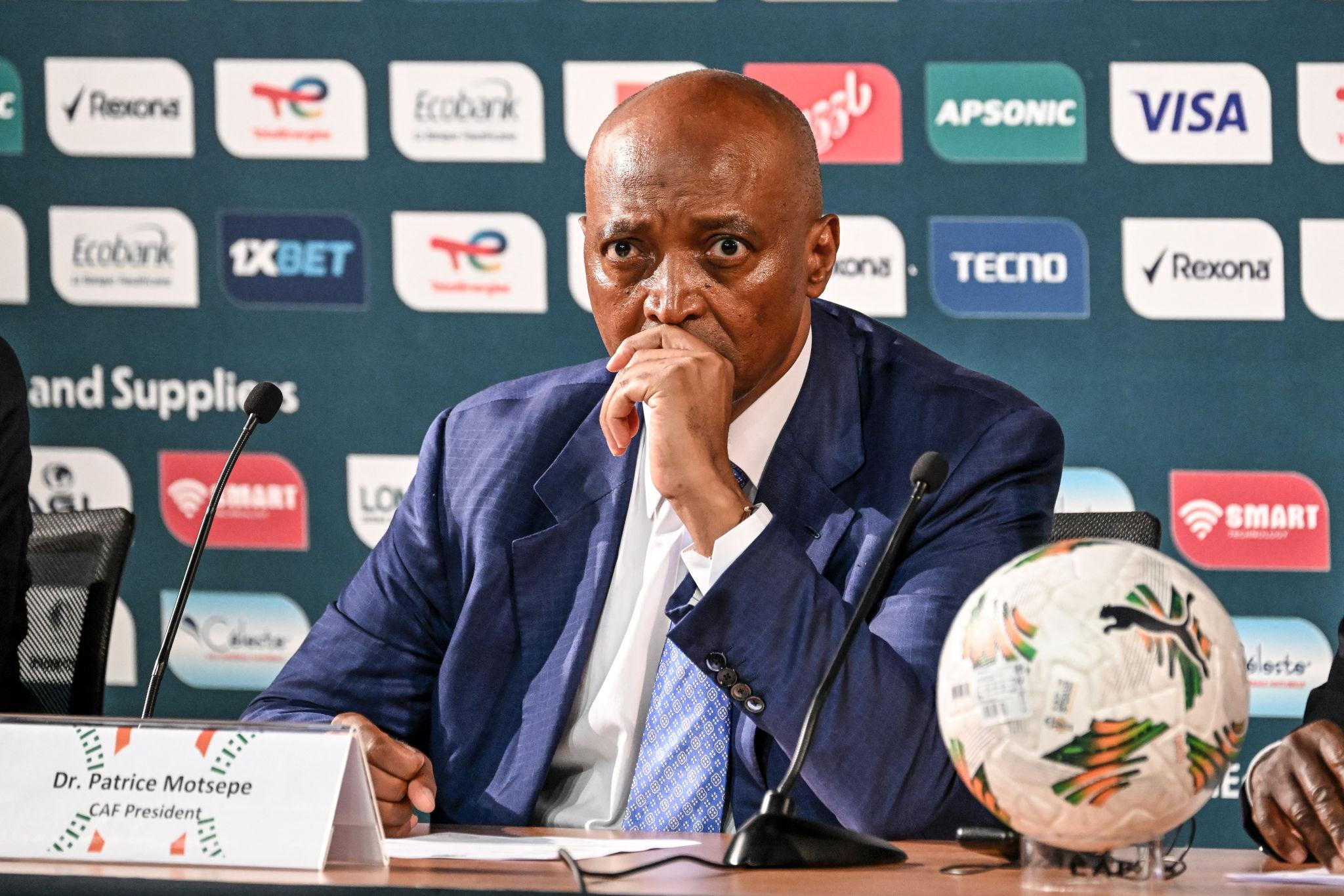
From Mining Magnate to Football Power Broker
Born on January 28, 1962, Motsepe built his fortune as the founder of African Rainbow Minerals, leveraging strategic investments in gold and platinum. His rise made him one of Africa’s first Black billionaires—a distinction that positioned him as a symbol of post-apartheid economic empowerment.
His influence expanded beyond industry:
- Founder of the Motsepe Foundation, supporting education, healthcare, and development initiatives
- Owner of Mamelodi Sundowns, one of Africa’s most successful football clubs
- Elected CAF president in 2021 with a reform-oriented agenda
His entry into football governance was framed by promises of financial discipline, transparency, and global competitiveness for African football. However, those ambitions are now being tested under crisis conditions.
The AFCON 2025 Final: A Crisis Unfolds
At the center of current tensions is the disputed outcome of the 2025 AFCON final between Senegal and Morocco.
The sequence of events has become a defining controversy:
- Senegal initially won the match 1–0
- Senegalese players temporarily left the pitch in protest over refereeing decisions
- CAF’s Appeals Committee later overturned the result, awarding Morocco a 3–0 victory
- The decision triggered political backlash and legal escalation
The Senegalese government demanded an investigation into alleged “suspicions of corruption within the leading bodies” of CAF, while the Court of Arbitration for Sport (CAS) is now tasked with determining the final outcome.
What should have been a continental celebration instead evolved into a multi-layered dispute involving governance, legality, and institutional credibility.
Shuttle Diplomacy: Motsepe’s Strategic Response
Motsepe’s response has been defined by direct engagement and what observers describe as “shuttle diplomacy.”
He has embarked on a series of high-level visits:
- Meetings in Senegal with President Bassirou Diomaye Faye and football authorities
- Engagement with Abdoulaye Fall
- Follow-up visit to Morocco to meet Fouzi Lekjaa and other stakeholders
- Press briefings aimed at restoring public confidence
These visits are not symbolic gestures. They are part of a coordinated attempt to:
- Stabilize relations between competing national federations
- Maintain CAF’s institutional neutrality
- Prevent further escalation of the dispute
The urgency of this diplomacy reflects the scale of the crisis, which continues to reverberate across African football governance.
Messaging Under Pressure: Transparency vs Legal Constraint
Motsepe’s public statements reveal a carefully calibrated communication strategy.
On one hand, he has embraced transparency:
“I would welcome any investigation into corruption at CAF… We will give them our full cooperation.”
On the other, he has drawn firm lines around legal processes:
“Under no circumstances will any single country in Africa be treated more preferentially or more favourably than any other.”
At the same time, he has declined to comment on the specifics of the dispute, citing the ongoing proceedings before CAS.
This dual approach—openness to scrutiny while maintaining procedural restraint—highlights the complexity of leadership in a governance crisis.
Beyond the Pitch: Human and Political Dimensions
The AFCON controversy has extended beyond institutional debates into humanitarian concerns.
During his visit, Motsepe addressed the situation of detained Senegalese supporters in Morocco:
“The release of the Senegalese supporters is a priority for us… it is also our responsibility.”
This statement underscores a broader shift in CAF’s role—from purely regulatory to socially accountable.
It also reflects the interconnected nature of football, politics, and public sentiment across Africa.
Leadership Under Scrutiny
The crisis has intensified scrutiny of Motsepe’s leadership model.
Supporters argue:
- He brings corporate discipline and financial credibility
- His openness to investigation signals commitment to reform
- His diplomatic engagement demonstrates proactive leadership
Critics contend:
- CAF’s handling of the final reveals structural weaknesses
- Decision-making processes lack consistency
- Reforms may not be progressing fast enough
The controversy has reignited deeper debates about:
- Governance reforms within CAF
- Independence of disciplinary and appeals bodies
- The balance between politics and sport in African competitions
What Comes Next: A Defining Legal Moment
The immediate future hinges on the ruling of the Court of Arbitration for Sport.
Possible outcomes include:
- Validation of CAF’s decision, reinforcing institutional authority
- Reversal of the ruling, triggering calls for reform and accountability
Either scenario carries significant implications:
- For the legitimacy of CAF’s governance structures
- For the credibility of African football competitions
- For Motsepe’s long-term leadership
Conclusion: A Presidency Defined by Crisis
Patrice Motsepe’s tenure as CAF president has entered its most consequential phase.
What began as a reform-driven leadership project is now being tested by a complex crisis involving law, politics, and sport. His response—marked by diplomacy, cautious messaging, and openness to scrutiny—reflects both the challenges and expectations placed upon him.
The AFCON controversy is not just about a disputed final. It is a stress test for African football governance itself.
The outcome, particularly the CAS ruling, will shape not only the future of the competition but also the legacy of a man whose influence extends far beyond the pitch.


