
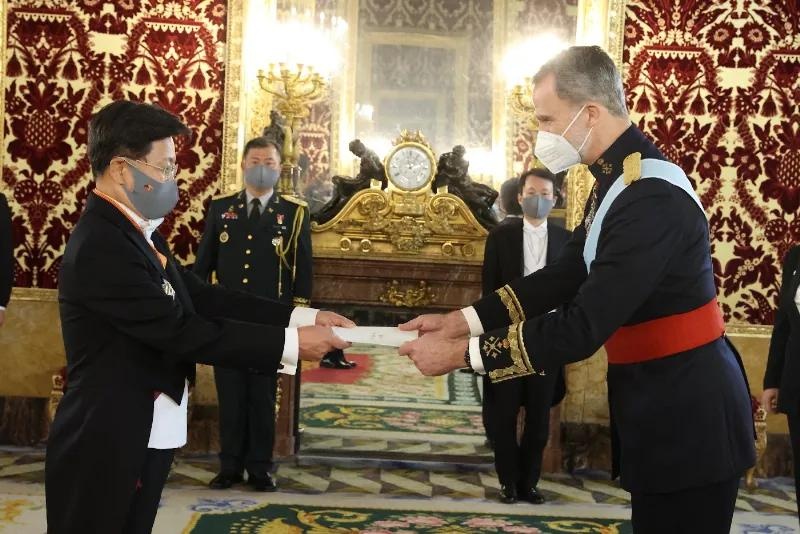
Letter of Credence Explained: The Ceremony That Defines Diplomacy
A Quiet Ceremony With Global Consequences
In the world of diplomacy, few moments carry as much symbolic and legal weight as the presentation of a Letter of Credence. It is a formal act, often conducted with ceremony and protocol, yet its implications stretch far beyond the room in which it takes place. This single document transforms an appointed envoy into an officially recognized representative of a nation.
Recent diplomatic events across different regions—including Southeast Asia and Africa—highlight how this centuries-old practice continues to shape international relations today. From Jakarta to Pretoria, the presentation of Letters of Credence remains a cornerstone of global diplomacy, quietly underpinning cooperation, negotiation, and state-to-state trust.
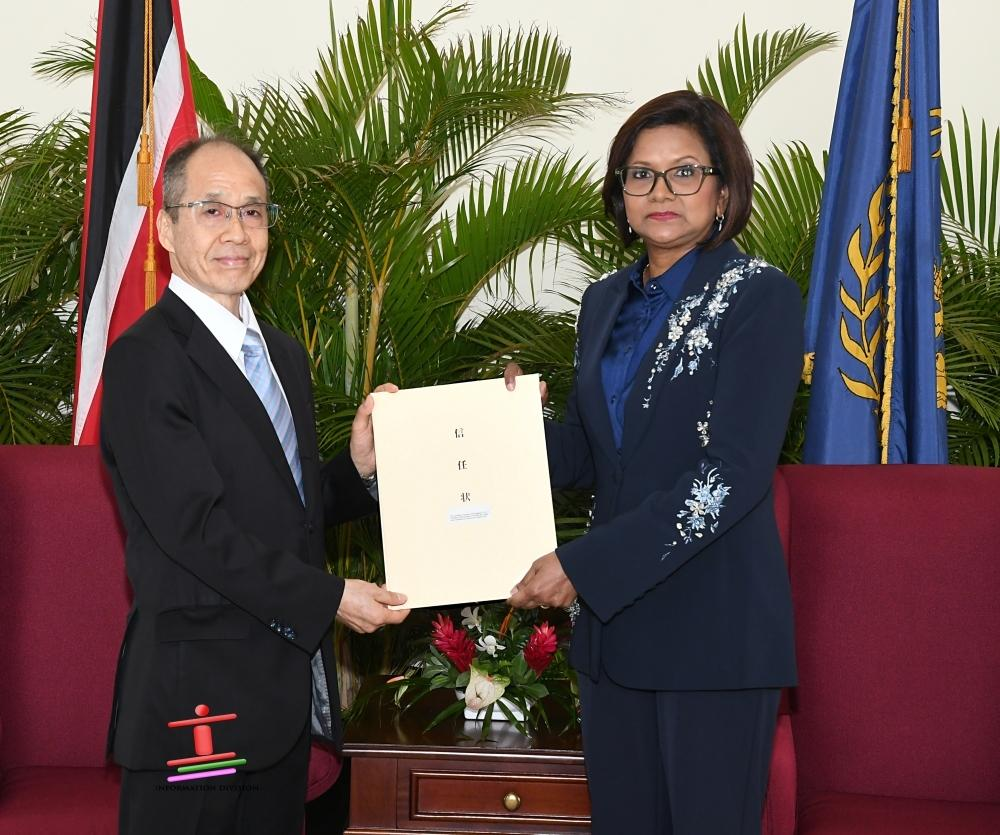
What Is a Letter of Credence?
A Letter of Credence—also referred to as a Letter of Commission—is an official document issued by a Head of State or government. Its purpose is precise: to formally introduce and accredit an ambassador to another country or international organization.
As described in diplomatic practice:
“Letters of Commission (more commonly referred to as Letters of Credence), are formal, physical letters issued by a Head of State or head of government to another Head of State, introducing a newly appointed ambassador or high commissioner and officially accrediting a diplomat to a foreign nation, authorising them to represent their home country’s interests and act on its behalf, and requesting the host country to give ‘credence’ (trust) to that representative.”
Without this document being formally presented and accepted, an ambassador cannot fully exercise their diplomatic authority.
The Process: From Appointment to Accreditation
The presentation of a Letter of Credence is not merely ceremonial—it is the final step in a structured diplomatic process.
What the process achieves
It formally establishes the ambassador’s legitimacy, enabling them to act on behalf of their country in political, economic, and cultural matters.
Key stages include:
- Nomination and approval
Governments nominate ambassadors, often requiring internal approval or legislative confirmation. - Agreement from the host country
The receiving state must grant approval (agrément) before the diplomat can assume duties. - Formal ceremony of presentation
The ambassador presents the Letter of Credence to the host country’s Head of State or relevant authority. - Official recognition
Once accepted, the ambassador is fully accredited and can begin their diplomatic mission.
This structured approach ensures that diplomatic representation operates on mutual consent and respect.
Case Study: ASEAN Diplomacy in Action
On 8 April 2026, diplomatic protocol was on full display at the ASEAN Secretariat in Jakarta.
Mexico Strengthens ASEAN Engagement
H.E. Francisco de la Torre Galindo presented his Letter of Credence to Dr. Kao Kim Hourn, formally assuming his role as Ambassador of the United Mexican States to ASEAN.
During the ceremony, the Secretary-General emphasized expanded cooperation, encouraging Mexico to explore opportunities in:
- Trade and investment
- Energy
- Agriculture and fisheries
- Connectivity and tourism
- People-to-people exchange
The ambassador, in turn, underscored the importance of continued dialogue and constructive engagement between Mexico and ASEAN.
This exchange illustrates how Letters of Credence are not just formalities—they often mark the beginning of renewed or expanded diplomatic cooperation.
Timor-Leste’s Strategic Entry Into ASEAN
On the same day, H.E. Elisa Maria da Silva presented her Letter of Credence, formally beginning her tenure as Permanent Representative of Timor-Leste to ASEAN.
This moment carried additional significance. Timor-Leste had recently become ASEAN’s 11th member state, following its admission at the 47th ASEAN Summit in October 2025.
During the meeting, Dr. Kao stated:
“Timor-Leste can play a meaningful role in advancing the implementation of the ASEAN 2045: Our Shared Future, particularly in contributing to regional integration and fostering a more cohesive ASEAN Community.”
Ambassador Da Silva reaffirmed her country’s commitment:
“As ASEAN’s newest Member State, Timor-Leste reaffirms its strong commitment to ASEAN unity, a people-centred Community, and meaningful contributions to regional peace and sustainable development. We remain dedicated to working closely with all Member States and Partners.”
Here, the Letter of Credence did more than confirm a diplomatic role—it symbolized a country’s deeper integration into a regional bloc.
Case Study: Africa’s Diplomatic Stage
The importance of Letters of Credence was also evident in South Africa, where President Cyril Ramaphosa received credentials from 20 ambassadors.
This ceremony formalized diplomatic relations and confirmed the official status of each envoy.
As noted:
- The presentation “formalises diplomatic relations between nations and confirms the status of appointed ambassadors.”
- Ambassadors from countries including the United States, Zimbabwe, Cuba, and Denmark participated.
During the ceremony, Ramaphosa emphasized the broader purpose of diplomacy—promoting trade, investment, and international cooperation.
This reinforces a key point: the Letter of Credence is not just symbolic; it unlocks real-world engagement between states.
Why Letters of Credence Still Matter Today
Despite being rooted in centuries-old tradition, Letters of Credence remain highly relevant in modern diplomacy.
1. Legal Authority
They grant ambassadors the formal authority to act on behalf of their country.
2. Diplomatic Trust
The concept of “credence” underscores mutual trust between nations—an essential foundation for diplomacy.
3. Gateway to Cooperation
Once accredited, diplomats can negotiate agreements, promote trade, and facilitate cultural exchange.
4. Symbol of Sovereignty
The process reflects respect for national sovereignty, as no ambassador can operate without host-country approval.
Implications for Global Relations
The continued use of Letters of Credence demonstrates that diplomacy still relies heavily on formal recognition and structured engagement.
Across regions:
- In ASEAN, the process is driving deeper regional integration and partnerships.
- In Africa, it supports economic diplomacy and multilateral cooperation.
- Globally, it reinforces norms of mutual respect and lawful international interaction.
In an era of digital communication and rapid geopolitical shifts, this traditional mechanism remains indispensable.
Looking Ahead: The Future of Diplomatic Protocol
While the format of diplomacy evolves—with virtual meetings, digital negotiations, and shifting alliances—the foundational role of Letters of Credence is unlikely to change.
Future trends may include:
- Greater emphasis on economic diplomacy
- Increased regional cooperation frameworks
- More strategic use of diplomatic appointments
However, the core principle will remain: before diplomacy begins, recognition must be formally established.
Conclusion
The Letter of Credence is a deceptively simple document with profound implications. It formalizes representation, enables diplomacy, and symbolizes trust between nations.
Whether presented in Jakarta or Pretoria, each ceremony marks the beginning of a new diplomatic chapter—one defined by cooperation, negotiation, and shared interests.
In a complex and often fragmented global landscape, these formal gestures continue to provide structure, legitimacy, and continuity to international relations.


