

Iran Ceasefire News: Fragile Truce Faces Immediate Strain
A temporary ceasefire between the United States and Iran has come into effect, marking a significant but highly uncertain pause in a conflict that has destabilized the Middle East for weeks. The agreement, described as a two-week truce, was reached shortly before a deadline set by President Donald Trump, who had warned of severe consequences if Iran failed to comply.
Despite the announcement, the ceasefire has been challenged almost immediately by continued military activity in the region—particularly in Lebanon—raising doubts about whether the agreement can hold long enough to evolve into a lasting peace.
According to early updates, both Washington and Tehran have signaled cautious optimism about negotiations, but conflicting interpretations of the deal have already exposed critical fault lines.
What the Ceasefire Covers — And What It Does Not
At the core of the dispute is a fundamental disagreement over the scope of the ceasefire.
Iranian officials insist the agreement extends beyond direct U.S.-Iran hostilities to include allied conflicts, particularly Israel’s ongoing military operations against Hezbollah in Lebanon. However, both the United States and Israel have rejected that interpretation.
U.S. Vice President JD Vance stated clearly that Lebanon was not included in the deal, describing the disagreement as a “reasonable misunderstanding.”
Iran’s Deputy Foreign Minister Saeed Khatibzadeh strongly contested this view, calling Israeli strikes a “grave violation” of the ceasefire and warning that the U.S. “must choose” between continuing war through its allies or honoring the agreement.
This divergence has become the central obstacle threatening the ceasefire’s survival.
Continued Violence in Lebanon Undermines the Deal
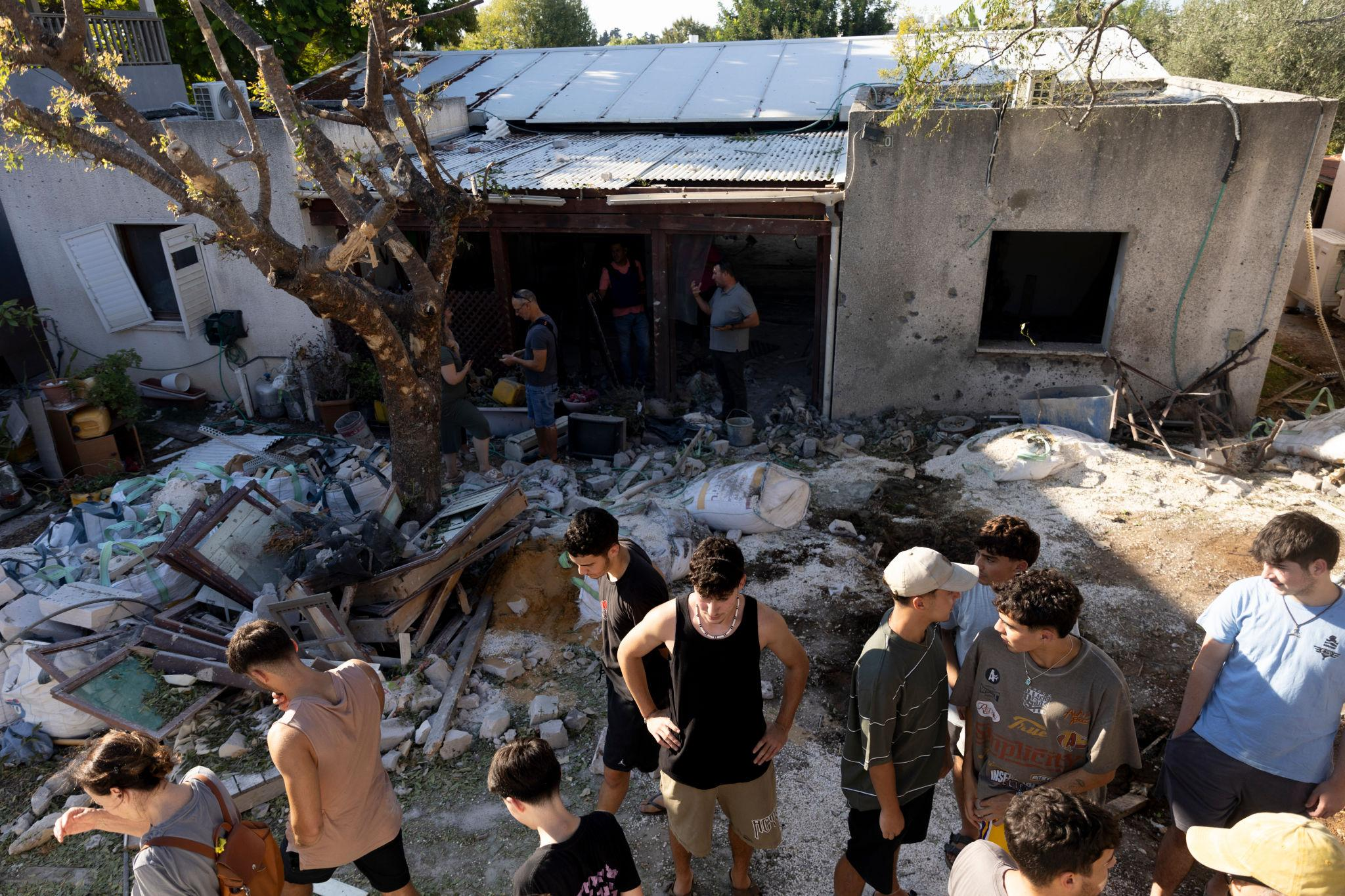
While the ceasefire technically halted direct U.S.-Iran confrontation, violence has intensified elsewhere. Israeli airstrikes in Lebanon have caused significant casualties, with reports indicating at least 182 people killed and hundreds more injured in a single day of attacks.
Israel has defended its actions, stating that operations against Hezbollah are separate from the ceasefire framework. Prime Minister Benjamin Netanyahu emphasized that the truce is “not the end of the campaign” and that Israel remains prepared to resume broader combat if necessary.
In response, Hezbollah has continued rocket attacks into northern Israel, further escalating tensions and reinforcing Iran’s claim that the ceasefire is being undermined.
The United Nations has warned that ongoing military activity in Lebanon “poses a grave risk” to the truce and to any broader peace efforts.
The Strait of Hormuz: A Strategic Pressure Point
Another critical issue shaping the ceasefire’s viability is the status of the Strait of Hormuz, one of the world’s most important energy corridors.
Iran has sent mixed signals regarding shipping through the strait. While some vessels have been allowed to pass, Iranian authorities have also issued warnings about naval mines and advised ships to use alternative routes.
At times, Iranian media reported that tanker traffic had been suspended entirely, though U.S. officials disputed those claims as inaccurate.
President Trump has made reopening and securing the strait a central condition of the agreement, stating that U.S. military forces will remain in the region until the “REAL AGREEMENT” is fully implemented.
The uncertainty surrounding the strait has already disrupted global energy markets and remains a key leverage point in negotiations.
Global Markets React — Then Reconsider
Financial markets initially responded positively to news of the ceasefire. Oil prices dropped below $100 per barrel, and stock markets in Asia, Europe, and the United States surged.
However, optimism proved short-lived. As doubts emerged about the ceasefire’s durability, oil prices climbed again toward $97 per barrel, and Asian markets began to decline.
International institutions, including the International Monetary Fund and the World Bank, have warned that the conflict has already triggered major disruptions to global energy markets. Rising costs of oil, gas, and fertilizers are expected to increase food prices and deepen food insecurity worldwide.
Diplomatic Efforts Shift to Pakistan
With the ceasefire holding only tenuously, attention is now turning to upcoming peace talks scheduled in Islamabad, Pakistan.
The negotiations, expected to be led by Vice President JD Vance on behalf of the United States, are seen as a critical opportunity to transform the temporary truce into a broader agreement.
Iran has confirmed that its delegation will participate despite skepticism among its public and leadership about repeated violations of the ceasefire framework.
Security has been tightened across Islamabad ahead of the talks, reflecting both the high stakes involved and the volatility of the situation.
Competing Narratives and Information Warfare
Beyond military and diplomatic developments, the conflict has also expanded into the digital sphere.
Analysts report that pro-Iran groups have used artificial intelligence to generate and distribute propaganda, including memes targeting U.S. leadership. These efforts are aimed at shaping public opinion and influencing the broader narrative of the war.
Experts describe this as part of a broader strategy to leverage limited resources for maximum psychological and political impact.
A Ceasefire Under Pressure
The current ceasefire represents a rare moment of de-escalation in a conflict that has already caused significant loss of life across multiple countries. However, its fragile nature is evident.
Key unresolved issues include:
- Whether Lebanon will be incorporated into the ceasefire framework
- The future of Iran’s nuclear program
- Control and security of the Strait of Hormuz
- The extent of U.S. and Israeli military operations in the region
With both sides maintaining military readiness and issuing warnings of renewed escalation, the truce remains precarious.
As President Trump stated, failure to comply with the agreement could lead to a response “bigger, and better, and stronger than anyone has ever seen before.”
Conclusion: A Critical Window for Diplomacy
The Iran ceasefire has opened a narrow window for diplomacy—but it is a window that could close quickly.
Conflicting interpretations of the agreement, ongoing violence in Lebanon, and unresolved strategic disputes have already placed the truce under severe strain. At the same time, the upcoming negotiations in Pakistan offer a potential pathway toward a more durable resolution.
Whether this moment becomes the beginning of lasting peace or merely a pause before further escalation will depend on the willingness of all parties to reconcile their differences and adhere to the terms of the agreement.
For now, the ceasefire stands—not as a resolution, but as a test.


