

US–Iran Ceasefire Under Strain: A Fragile Pause in a Volatile Conflict
A Ceasefire Announced — and Immediately Tested
A two-week ceasefire between the United States and Iran, brokered at the eleventh hour to halt more than a month of escalating warfare, is already showing signs of instability. What was initially presented as a diplomatic breakthrough has quickly evolved into a complex and contested arrangement, marked by conflicting interpretations, ongoing violence, and rising international concern.
The agreement, reached earlier this week, was intended to pause hostilities and create space for negotiations. However, within hours of its announcement, disputes over its scope and implementation began to emerge—raising questions about whether the ceasefire can hold long enough to produce meaningful outcomes.
Disputed Terms and Conflicting Narratives
At the heart of the tension lies a fundamental disagreement over what the ceasefire actually includes. While the United States and Israel maintain that the truce does not extend to operations in Lebanon, Iran and Pakistan—key mediators in the process—insist that Lebanon is explicitly covered.
Iran’s deputy foreign minister, Saeed Khatibzadeh, described Israeli strikes in Lebanon as a “grave violation” of the ceasefire, accusing Washington of inconsistency in enforcing the agreement. He warned that the United States “must choose” between pursuing peace and continuing military engagement, emphasizing that both cannot coexist.
This divergence in interpretation has created a fragile diplomatic environment, where each side claims adherence to the deal while accusing others of undermining it.
Lebanon Strikes: The Flashpoint Threatening the Truce
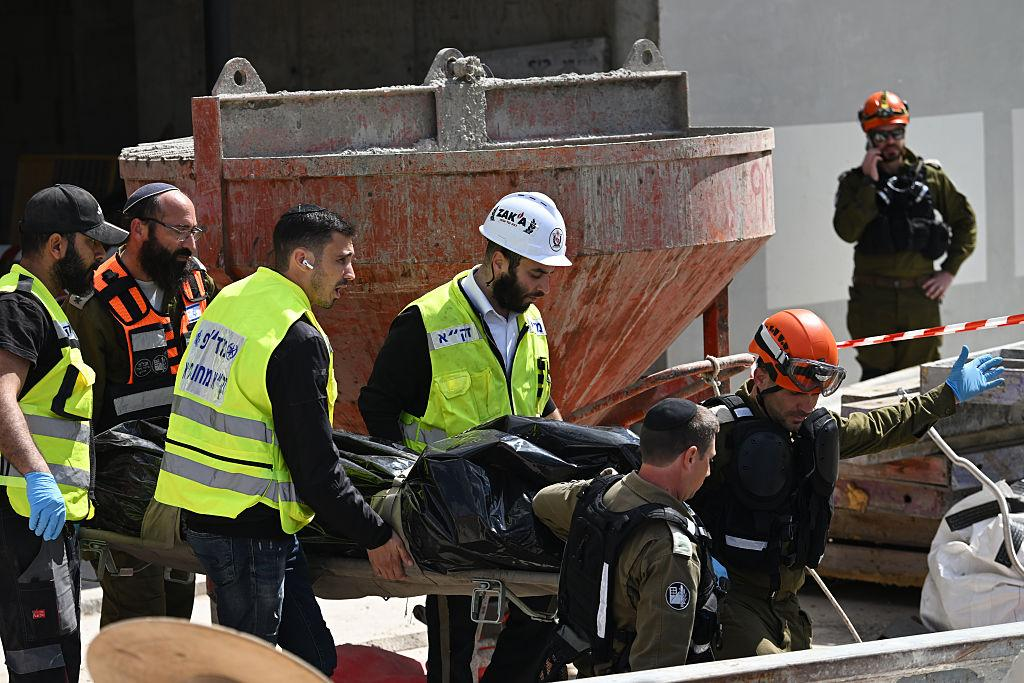
The most immediate challenge to the ceasefire has been Israel’s intensified military campaign in Lebanon. In what has been described as the largest coordinated strike since the conflict began, Israeli forces launched attacks on more than 100 targets within minutes.
According to Lebanese authorities, at least 182 people were killed and hundreds more injured in a single day, marking one of the deadliest episodes in the ongoing regional conflict.
Israel has defended its actions, stating that the operations target Hezbollah, an Iran-backed militant group, and fall outside the scope of the US–Iran ceasefire. Iran, however, views these strikes as a direct breach of the agreement, warning that continued attacks could collapse the truce entirely.
The situation has already triggered retaliation, with Hezbollah reportedly launching rockets into northern Israel in response to what it describes as ceasefire violations.
Strait of Hormuz: Economic Lifeline Under Pressure
Beyond the battlefield, the ceasefire is closely tied to the status of the Strait of Hormuz, a critical global shipping route through which a significant portion of the world’s oil supply passes.
Despite commitments to ensure safe passage, shipping activity in the strait remains severely disrupted. Data indicates that vessel traffic has dropped dramatically, with only a handful of ships transiting the waterway following the ceasefire announcement.
Iran has signaled that reopening the strait is contingent on what it calls the cessation of “aggression,” particularly in Lebanon. Meanwhile, the United States has insisted that the waterway must be “OPEN & SAFE,” linking its accessibility to the success of the ceasefire.
The disruption has already impacted global markets. Oil prices, which initially fell on news of the ceasefire, have begun rising again amid uncertainty. Analysts warn that prolonged instability could lead to supply shortages, increased insurance costs for shipping, and broader inflationary pressures worldwide.
Military Posture and Strategic Pressure
Despite the ceasefire, the United States has maintained a significant military presence in and around Iran. President Donald Trump has made clear that American forces will remain “in place” until a “REAL AGREEMENT” is fully implemented, reiterating key demands such as preventing Iran from developing nuclear weapons and ensuring maritime security.
This continued deployment underscores the conditional nature of the ceasefire. Rather than signaling de-escalation, it reflects a strategy of sustained pressure—keeping military options available while pursuing diplomatic negotiations.
Iran, for its part, has expressed skepticism about the durability of the agreement, pointing to ongoing strikes and disagreements over terms as evidence that the ceasefire may be undermined before talks even begin.
Diplomatic Efforts Shift to Islamabad
Amid rising tensions, attention is turning to Pakistan, where high-level negotiations between US and Iranian officials are scheduled to take place. The talks, expected to begin in Islamabad, are seen as a critical opportunity to transform the temporary ceasefire into a more comprehensive and lasting agreement.
US Vice President JD Vance is set to lead the American delegation, while Iran’s negotiating team is expected to arrive despite internal skepticism over repeated ceasefire violations.
Pakistan, which played a central role in brokering the initial truce, has emphasized the importance of including all affected regions—particularly Lebanon—in any final agreement.
However, the success of these talks will depend on whether both sides can reconcile their competing interpretations of the ceasefire and address underlying issues such as nuclear policy, regional proxy conflicts, and control of strategic waterways.
Global Reaction: Mounting Pressure for Stability
International response to the unfolding situation has been swift and largely critical of continued military action. Leaders from Europe and beyond have condemned the strikes in Lebanon, warning that they risk derailing fragile diplomatic efforts.
The United Nations has also raised alarm, stating that ongoing hostilities pose a “grave risk” to the ceasefire and calling for an immediate cessation of violence.
Economic concerns are equally prominent. Officials have warned that the global economy remains “hostage” to developments in the Middle East, with energy markets particularly vulnerable to further disruption.
What Comes Next: A Narrow Window for Peace
The US–Iran ceasefire represents a rare pause in a rapidly escalating conflict, but its survival is far from guaranteed. The combination of military actions, conflicting interpretations, and economic pressures has created a highly volatile environment.
If negotiations in Islamabad succeed, the ceasefire could evolve into a broader framework for stability in the region. However, if violations continue and key disputes remain unresolved, the truce may collapse—potentially leading to renewed and intensified conflict.
For now, the situation remains a delicate balancing act: a temporary halt in hostilities overshadowed by deep mistrust and competing strategic interests.


