
United Arab Emirates: Power, Influence, and a Nation Shaping the Future
A Nation Defined by Strategy and Transformation
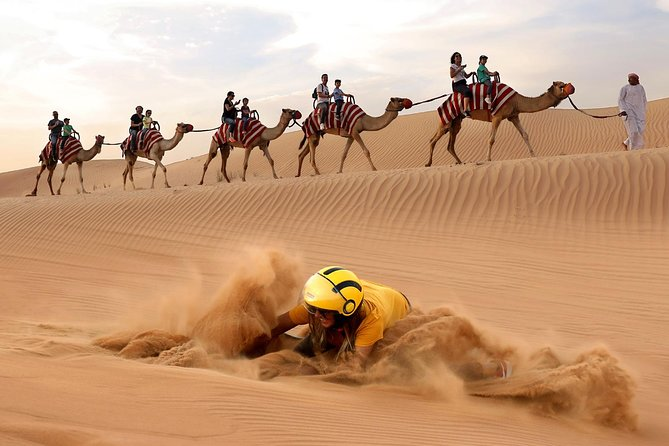
The United Arab Emirates has, in just a few decades, transformed from a collection of desert sheikhdoms into one of the most strategically significant nations in the world. Positioned at the crossroads of Europe, Asia, and Africa, the UAE has become a hub for global trade, diplomacy, tourism, and innovation.
In 2026, the country stands at a pivotal moment. It is simultaneously navigating geopolitical tensions in the Gulf while reinforcing its status as a global soft power leader. This dual trajectory—security resilience and global influence—defines the UAE’s modern identity.
From Federation to Global Powerhouse
The UAE was officially formed in 1971, uniting seven emirates: Abu Dhabi, Dubai, Sharjah, Ajman, Umm Al Quwain, Ras Al Khaimah, and Fujairah. Oil wealth initially powered its development, but the country quickly diversified into finance, aviation, tourism, and technology.
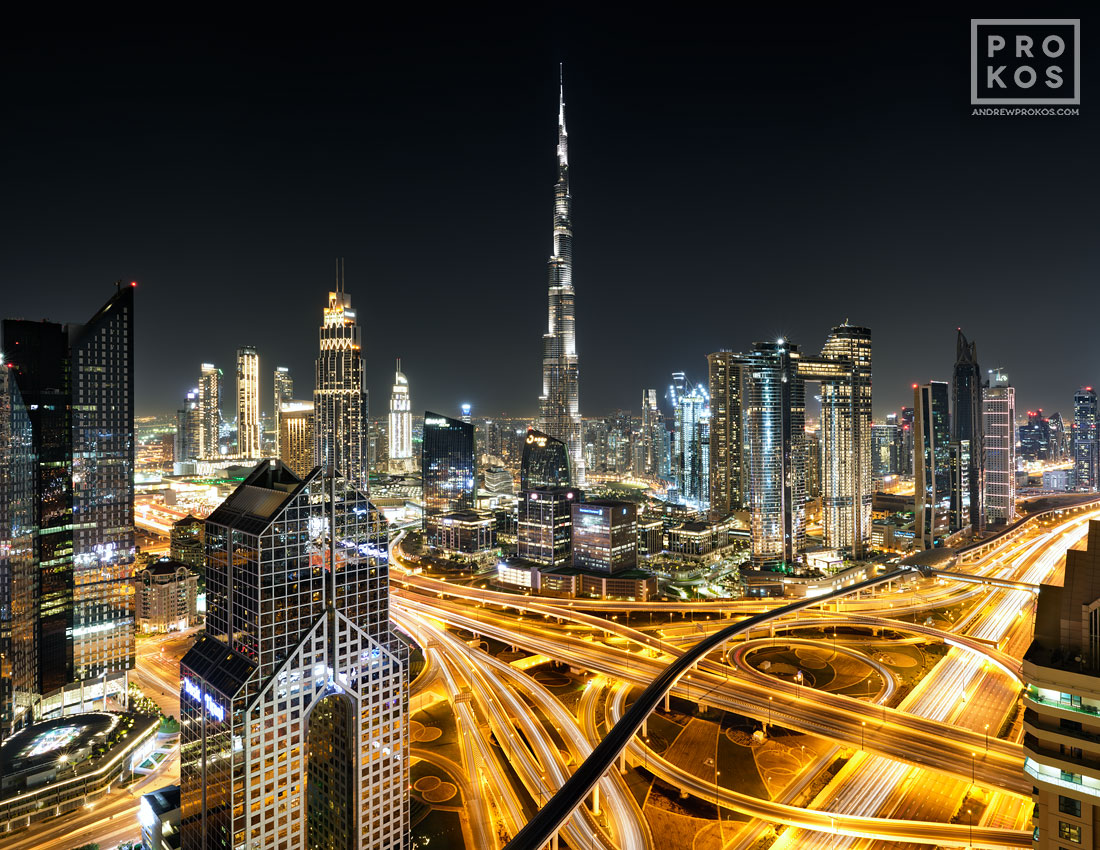
Cities like Dubai and Abu Dhabi became symbols of rapid modernization, featuring world-class infrastructure, luxury tourism, and ambitious architectural projects. Over time, the UAE positioned itself not just as a regional leader but as a global connector—facilitating commerce, diplomacy, and cultural exchange.
A Rising Force in Global Soft Power
In 2026, the UAE is recognized as one of the world’s most influential nations in terms of soft power—its ability to shape global perceptions through culture, innovation, and diplomacy.
According to recent global rankings, the UAE has entered the top tier of countries influencing tourism and international relations, driven by strategic investments and global events.
What Drives UAE’s Soft Power?
- Tourism Leadership: The UAE has become a “modern tourism powerhouse,” attracting millions with luxury experiences, global events, and iconic landmarks.
- Cultural Diplomacy: Through festivals, expos, and international partnerships, the country promotes its identity globally.
- Innovation and Infrastructure: Investments in aviation, smart cities, and renewable energy reinforce its forward-looking image.
- Global Events: Initiatives like Expo 2020 Dubai have elevated its international reputation.
Soft power in the UAE is not accidental—it is a deliberate, government-led strategy combining branding, diplomacy, and economic development.
The UAE in a Changing Geopolitical Landscape
While the UAE projects global influence through tourism and culture, it is simultaneously confronting serious regional security challenges.
A recent briefing by Anwar Gargash highlights the country’s position amid escalating tensions involving Iran and broader Gulf security concerns.
Beyond Ceasefires: A Call for Structural Solutions
According to Gargash, a temporary ceasefire is insufficient to resolve ongoing conflicts:
“We don’t want to see more escalation, but we don’t want a ceasefire that does not address some of the main issues that will create a much more dangerous environment in the region.”
The UAE is advocating for a comprehensive regional security architecture—one that addresses:
- Missile and drone threats
- Nuclear concerns
- Maritime security in the Strait of Hormuz
This reflects a shift from reactive diplomacy to long-term strategic planning.
The Strait of Hormuz: A Global Economic Lifeline
One of the most critical issues facing the UAE—and the world—is the security of the Strait of Hormuz, a narrow waterway through which a significant portion of global energy supply flows.
Gargash emphasized its global importance:
“The Strait of Hormuz cannot be held hostage by any country… This is extremely important for the global economy and global trade.”
UAE’s Position
- The UAE is not seeking unilateral military action
- It is willing to join US-led or international coalitions
- Maritime security is seen as essential to any long-term settlement
This stance underscores the UAE’s preference for multilateral cooperation rather than isolated intervention.
Strategic Alliances and Global Partnerships
The UAE’s security strategy is closely tied to its alliances, particularly with the United States.
Gargash made this explicit:
“Our main security partner is the United States and we will double down on our relationship with the United States.”
Additional partnerships include:
- France as a “steadfast partner”
- Broader international support networks enhancing defense capabilities
At the same time, the UAE acknowledges shifting regional dynamics, including the increasing influence of Israel in Gulf affairs.
Resilience in the Face of Crisis
The UAE is currently confronting what officials describe as a “worst-case scenario”—direct attacks and regional instability. Yet, the country emphasizes resilience and adaptability.
“We are coping very well… we are very resilient, and we are very resourceful.”
This resilience is rooted in:
- Strong economic fundamentals
- Diversified industries
- Advanced infrastructure
- Strategic global partnerships
The message is clear: the UAE expects not just to recover, but to emerge stronger.
Tourism, Identity, and Global Perception
Despite geopolitical tensions, the UAE continues to expand its global appeal through tourism and cultural diplomacy.
Tourism in the UAE is no longer just about luxury—it is about nation branding and global storytelling.
Key Elements of UAE’s Tourism Strategy
- Blending heritage with modern innovation
- Hosting global cultural and business events
- Leveraging digital platforms for global reach
- Promoting sustainability and inclusivity
This approach transforms visitors into informal ambassadors, strengthening the country’s international image.
The Dual Identity of the UAE in 2026
What makes the UAE particularly notable today is its ability to operate on two levels simultaneously:
1. A Security-Focused Regional Actor
- Managing conflict risks
- Strengthening military alliances
- Advocating for long-term regional stability
2. A Global Soft Power Leader
- Driving tourism and cultural diplomacy
- Influencing global perceptions
- Building international partnerships
Few nations manage this balance as effectively.
Future Outlook: What Lies Ahead?
Looking forward, several trends are likely to shape the UAE’s trajectory:
Increasing Strategic Influence
The UAE is expected to play a larger role in shaping Gulf security frameworks and international diplomacy.
Expansion of Soft Power
Continued investments in tourism, innovation, and global events will strengthen its global image.
Economic Diversification
Efforts to reduce reliance on oil will accelerate, particularly in technology, renewable energy, and finance.
Regional Realignments
Shifting alliances—especially involving the US, Israel, and Gulf states—will redefine geopolitical dynamics.
Conclusion: A Nation at the Intersection of Power and Vision
The United Arab Emirates represents a rare combination of ambition, strategy, and adaptability. It is a country that has successfully redefined what power looks like in the 21st century—not just through economic strength or military capability, but through influence, perception, and resilience.
As it navigates geopolitical tensions while expanding its global footprint, the UAE is not merely reacting to change—it is actively shaping the future of regional and global dynamics.


