

Sky News in Focus: A Real-Time Window Into Global Power, Crisis, and Change
A Live News Ecosystem Shaping Global Narratives
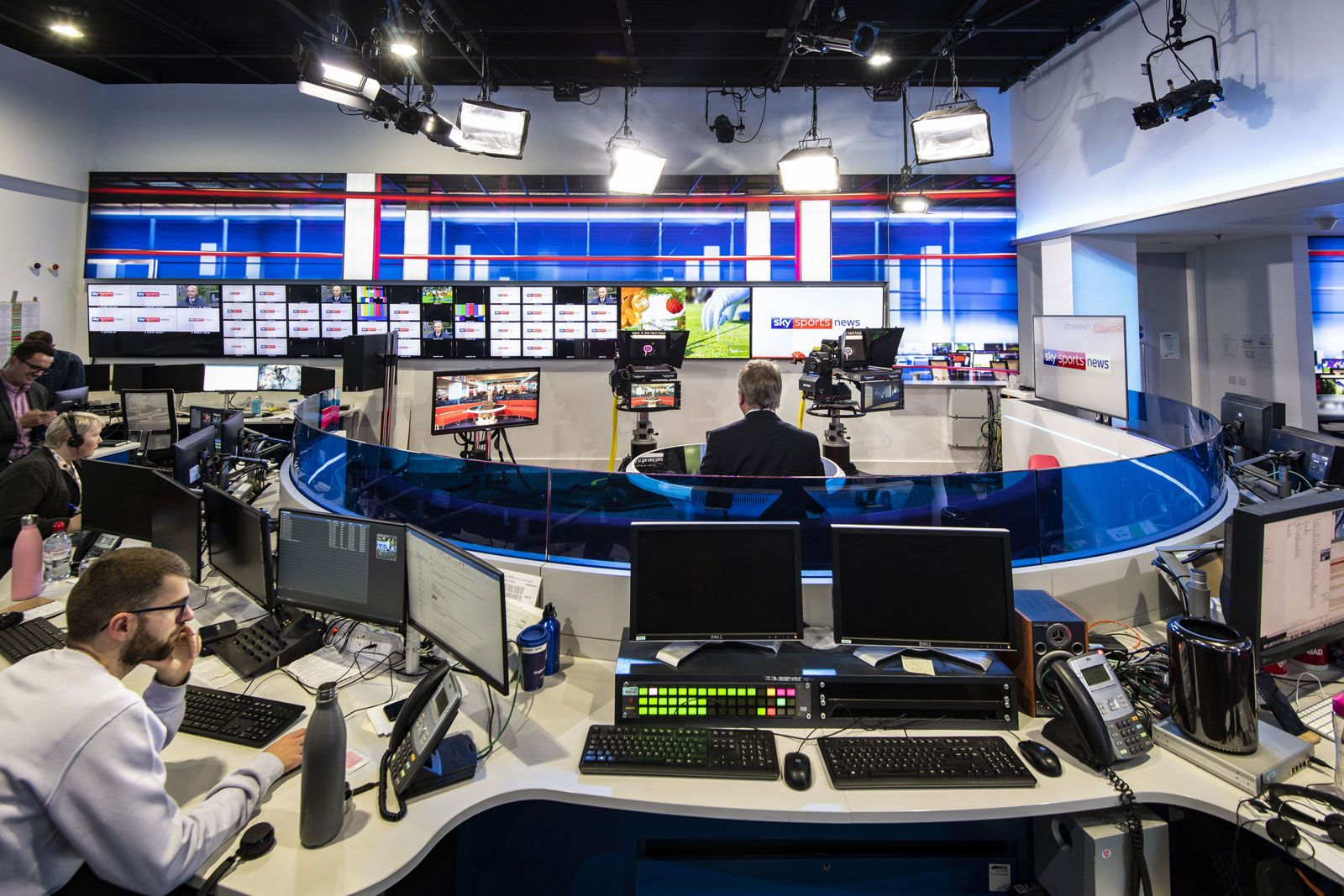
Sky News has evolved into one of the most influential real-time news platforms, blending rolling coverage, political analysis, and global reporting into a continuous information stream. On 7 April 2026, its output reflects the modern newsroom’s defining characteristic: simultaneity. Multiple major stories—from space exploration to geopolitical tensions and domestic political shifts—unfold side by side, offering a snapshot of how contemporary media structures public understanding of the world.
Rather than presenting isolated headlines, Sky News operates as an integrated ecosystem where science, politics, conflict, and culture intersect. The result is a layered narrative: one that captures not just events, but the broader forces shaping them.
When Humans Went Silent: Artemis II and the Return of Deep Space Risk
One of the most striking developments covered involves NASA’s Artemis II mission. The crew experienced a communications blackout lasting approximately 40 minutes while traveling around the moon—“marking the first time in more than 50 years that humans were completely unreachable by anyone on Earth.”
This moment was more than a technical anomaly. It underscored the inherent risks of deep space exploration, even in an era of advanced communication systems like NASA’s Deep Space Network.
The emotional and symbolic weight of the event was captured when astronaut Christina Koch stated:
“We will always choose Earth,”
This statement reflects a recurring theme in space exploration coverage: the tension between human ambition and vulnerability. The blackout also reinforces the renewed relevance of lunar missions, echoing the Apollo era while introducing new technological and psychological challenges.
Sky News frames this not merely as a scientific milestone, but as a human story—one that reconnects audiences with the risks and wonder of space travel.
Escalation and Rhetoric: Trump, Iran, and Strategic Pressure
At the same time, Sky News highlights intensifying geopolitical tensions involving Donald Trump and Iran. According to coverage:
Trump has renewed his threat to unleash “hell” on Iran if it continues to keep the Strait of Hormuz closed.
This rhetoric is paired with a developing military narrative:
A US crew member rescued after a fighter jet was shot down over Iran is “SAFE and SOUND”.
The language used—both in political statements and reporting—signals escalation rather than resolution. Importantly, Sky News notes that some claims, including videos shared by Trump, have not been independently verified. This editorial choice reinforces the platform’s positioning around credibility and verification in an era of rapid information spread.
The strategic importance of the Strait of Hormuz adds further weight. As a critical global oil transit route, any disruption has immediate implications for energy markets, international trade, and military posturing.
Domestic Fault Lines: Labour’s Struggle in Its Historic Heartland
In the UK political landscape, Sky News turns its focus inward, examining shifting dynamics within traditional Labour strongholds. Reporting from Wales highlights a fundamental transformation:
A once solid Labour heartland has evolved into a three-horse race between Labour, Plaid Cymru and Reform UK.
Figures such as Eluned Morgan and Rhun ap Iorwerth are presented as key voices shaping competing visions for the region.
The historical context is crucial. Labour’s roots in the Valleys—linked to Keir Hardie and the founding of the NHS—once guaranteed political dominance. That foundation is now under pressure, reflecting broader trends across Western democracies: fragmentation, regional identity politics, and voter realignment.
Sky News frames this as more than an electoral contest. It is a structural shift in political identity, with implications for national governance and party strategy.
A Multi-Layered News Cycle: From Healthcare Strikes to Retail Crime
Beyond headline stories, Sky News maintains a steady stream of secondary yet significant developments:
- A six-day resident doctors’ strike set to begin at 7am Tuesday, expected to cost the NHS approximately £300 million
- Retail concerns, with Marks & Spencer calling for action against organized shop raids coordinated via social media
- Reports of escalating US-Iran tensions, including unverified claims of military strikes
- Cultural and human-interest segments, from aviation incidents to entertainment updates
This breadth illustrates a core editorial strategy: diversification. By covering policy, economics, social issues, and culture simultaneously, Sky News ensures relevance across audience segments.
The Role of Verification in a Rapid News Environment
A notable aspect of Sky News coverage is its explicit emphasis on credibility. Phrases such as “Why you can trust Sky News” and disclaimers about unverified content signal a conscious effort to differentiate from less regulated information channels.
In the case of geopolitical reporting, this becomes particularly significant. For example:
Sky News has not independently verified this video.
This approach reflects a broader shift in journalism: transparency about uncertainty is increasingly as important as the information itself.
Technology, Media, and the Speed of Information
Sky News’ structure—live feeds, video clips, and rolling updates—demonstrates how technology has redefined news consumption. Stories are no longer static articles but evolving narratives, updated in real time.
This format influences how audiences process information:
- Events are experienced as ongoing developments rather than completed stories
- Context is built incrementally rather than presented upfront
- Emotional engagement is heightened through live visuals and direct quotes
The Artemis II blackout, for instance, gains impact not just from the event itself, but from real-time reactions, visuals, and subsequent analysis.
Cultural and Global Impact: Why Platforms Like Sky News Matter
The significance of Sky News extends beyond reporting. It shapes discourse by selecting which stories dominate attention and how they are framed.
Three themes emerge from its current coverage:
- Human vulnerability in advanced systems
Seen in space exploration and aviation incidents - Escalation in global politics
Highlighted through US-Iran tensions and military rhetoric - Transformation of traditional institutions
Evident in political shifts and healthcare system pressures
These themes collectively reflect a world in transition—technologically advanced yet politically unstable, globally connected yet locally fragmented.
Conclusion: A Snapshot of a World in Motion
The current output from Sky News provides more than a series of headlines. It offers a composite picture of modern reality—where astronauts orbit the moon while losing contact with Earth, political leaders exchange threats across continents, and long-standing political loyalties begin to fracture.
By integrating these narratives into a single, continuous stream, Sky News captures the defining feature of contemporary life: simultaneity. Multiple crises, breakthroughs, and transformations occur at once, demanding both attention and interpretation.
In this environment, the role of a news organization is not only to report events but to structure them into meaning. Sky News, through its blend of immediacy, verification, and breadth, positions itself at the center of that process.


