

Zimbabwe at a Crossroads: Culture, Youth Football, and Economic Reinvention
Zimbabwe is once again in the continental spotlight—not for a single defining event, but for a convergence of developments shaping its national identity. From hosting a major African youth football tournament to investing in its creative economy and grappling with political tensions and economic pressures, the country is navigating a complex transition.
This feature examines how Zimbabwe is balancing cultural pride, youth development, economic reform, and political realities in 2026.
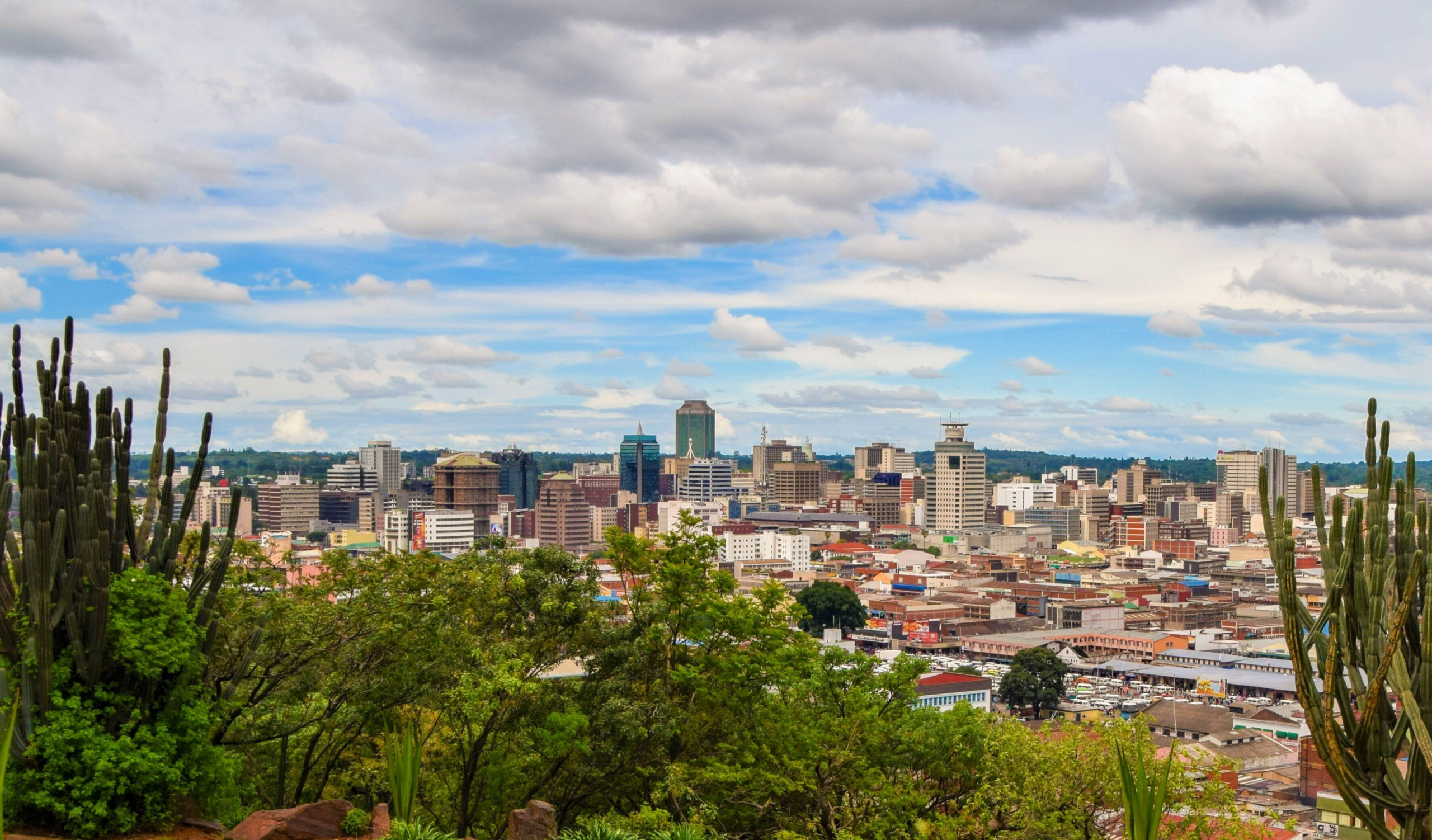
A Nation on Display: Football and Cultural Diplomacy
In early April 2026, Zimbabwe stepped into a prominent continental role by hosting the CAF African Schools Football Championship Continental Finals. The tournament opened on Monday, 6 April, at Gateway High School in Harare with what was widely described as an energetic and symbolic start.
The event was more than sport. It functioned as a platform for national branding and youth engagement.
The opening ceremony—organized by the Zimbabwe Ministry of Tourism and Hospitality Industry—delivered a carefully curated cultural showcase. Performers from the University of Zimbabwe blended traditional and contemporary dance, while children from Dzikua Trust Orphanage added a humanitarian dimension to the proceedings. Cultural ambassadors such as Miss Teen International Zimbabwe 2024 and Toto Miss Africa Zimbabwe reinforced themes of youth empowerment and African excellence.
A symbolic gesture saw team captains presented with authentic Zimbabwean fabric, underscoring cultural identity as a diplomatic tool.
On the pitch, the competition reflected both ambition and challenge:
- Zimbabwe (boys) drew 1-1 with Uganda
- Zimbabwe (girls) drew 2-2 with Morocco
- Morocco dominated Group A boys with a 6-1 win over DR Congo
- Ghana emerged as a strong contender in the girls’ division with a 6-0 victory over Guinea
The tournament highlighted Zimbabwe’s strategic positioning—not just as a host nation, but as a hub for developing African football talent.
Beyond Sport: Zimbabwe’s Strategic Push into the Creative Economy
Parallel to its sporting visibility, Zimbabwe is making a calculated move into the global creative economy.
The government has committed US$10 million toward local content production, signaling a shift in how it views film—not merely as art, but as an economic sector.
This initiative is part of a broader effort to transform Zimbabwe from a filming location into a full production ecosystem.
Moving Up the Value Chain
Industry stakeholders emphasize a critical issue: Zimbabwe has historically produced films but outsourced high-value processes such as editing, sound design, and visual effects.
As Harare-based producer Tinotenda Machida explained:
“If you don’t have post-production locally, you are exporting your margins.”
The government’s response includes:
- Duty-free importation of film equipment
- A 200% capital allowance for studio and post-production investments
- Incentives designed to reduce production costs and attract foreign filmmakers
These policies aim to retain more value domestically and reduce what industry experts call “production leakage.”
A Continental Context
Zimbabwe’s approach aligns with a broader African trend. Countries like Morocco and South Africa have successfully used rebates and incentives to build film industries. However, Zimbabwe is attempting a more structural shift—capturing the entire production chain rather than focusing solely on attracting shoots.
The Zimbabwe Film Strategy 2025–2030 outlines nine priority areas, including governance, infrastructure, financing, and skills development.
The goal is clear: reposition storytelling as a high-multiplier industry that stimulates tourism, hospitality, and broader economic activity.
Economic Realities: Poverty, Agriculture, and Community Resilience
Despite these forward-looking strategies, Zimbabwe continues to face significant socioeconomic challenges.
Approximately 40% of the population lives on less than $2.15 per day, and the country ranks 159 out of 192 on the Human Development Index.
Rural areas remain particularly vulnerable, with limited infrastructure and access to services.
Grassroots Solutions in Agriculture
Agriculture continues to play a central role in poverty alleviation. Initiatives such as Disi Farm in Mashonaland Central illustrate how localized strategies can deliver tangible impact.
Key interventions include:
- Food security programs allowing workers to receive essential goods as part of wages
- Community childcare and education support
- Anti-child labor enforcement
- Sports initiatives to reduce youth alcoholism
The farm also collaborates with NGOs and UN programs to integrate environmental sustainability, including tree nurseries producing 10,000 trees annually and energy-efficient cooking solutions.
These combined “bottom-up” and “top-down” approaches demonstrate how community-level innovation can address systemic challenges.
Political Undercurrents: Governance and Public Trust
Zimbabwe’s political environment remains a significant factor shaping its trajectory.
Recent parliamentary hearings on extending President Emmerson Mnangagwa’s term have generated controversy. Reports indicate that the process has created tensions, with opposition groups and civil society raising concerns about safety and inclusivity.
Critics argue that public hearings have become hostile environments, leading to withdrawals from participation.
This political backdrop introduces uncertainty, particularly for investors and development partners, as governance stability remains closely tied to economic confidence.
The Interplay of Identity, Economy, and Future Potential
Zimbabwe’s current moment is defined by contrast:
- A vibrant cultural and sporting presence on the continental stage
- Ambitious economic reforms targeting high-value industries
- Persistent structural challenges in poverty and infrastructure
- Political tensions influencing public trust and institutional credibility
What emerges is a country attempting to redefine itself—leveraging youth, culture, and policy innovation while managing legacy constraints.
What Comes Next?
Several trends are likely to shape Zimbabwe’s near future:
- Youth Development Through Sport
Hosting tournaments like the CAF Schools Championship positions Zimbabwe as a key player in nurturing African talent. - Creative Economy Expansion
If effectively implemented, film industry reforms could generate employment and attract foreign investment. - Agricultural Innovation and Sustainability
Continued integration of community-based and climate-focused solutions will be critical for rural development. - Governance and Stability
Political transparency and institutional trust will remain central to long-term economic success.
Conclusion: A Nation in Transition
Zimbabwe in 2026 is neither defined solely by its challenges nor its ambitions. It is a country actively negotiating its place in a rapidly evolving African landscape.
From the electrifying atmosphere of youth football in Harare to strategic investments in film and ongoing grassroots efforts in agriculture, Zimbabwe is constructing a multifaceted path forward.
The outcome will depend not just on policy design, but on execution—how effectively the country can translate vision into sustainable, inclusive growth.


