
Cruise Ships in Focus: From Luxury Escapes to Maritime Risks
A Global Industry Defined by Scale, Experience, and Complexity
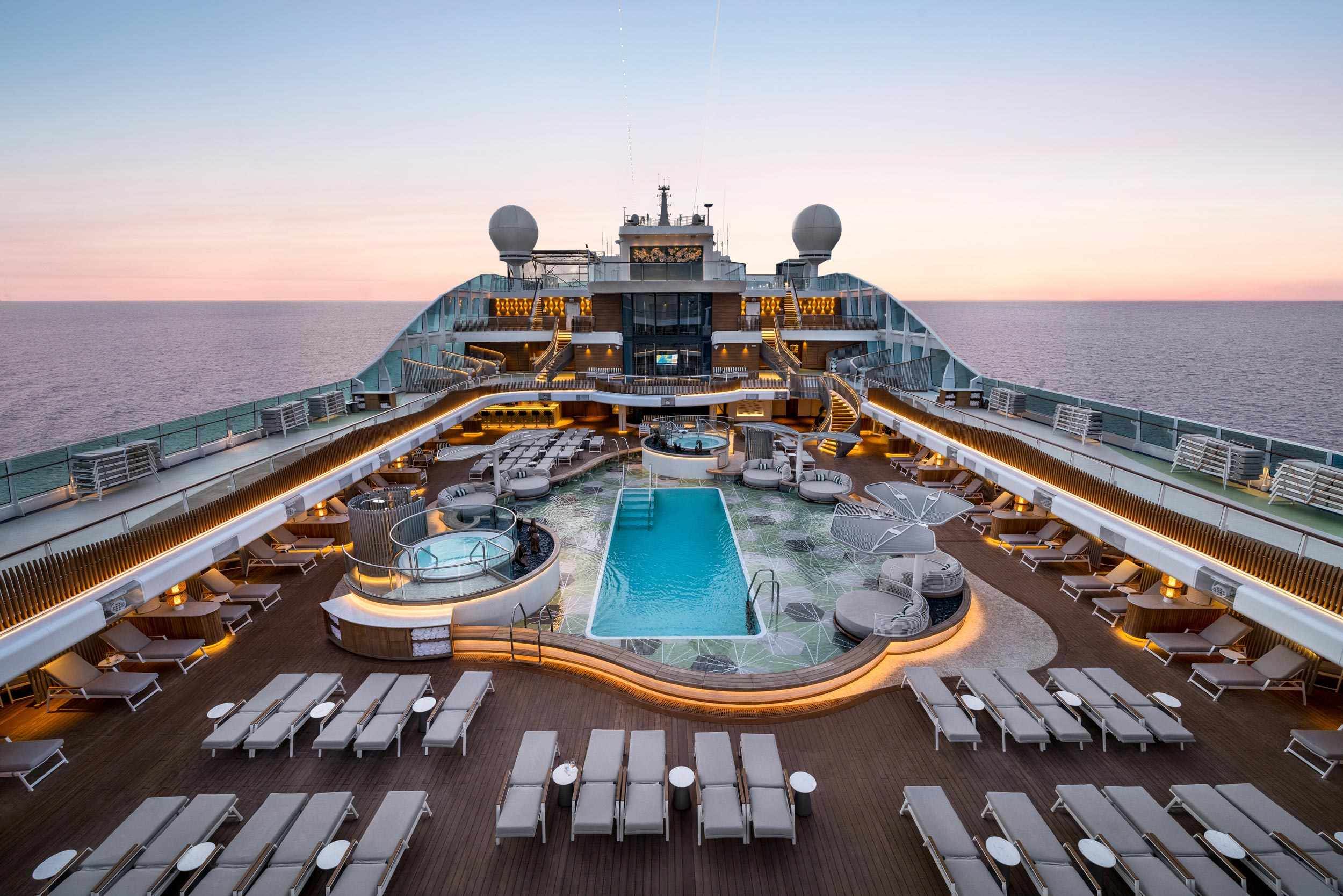
Cruise ships represent one of the most distinctive segments of the global travel and tourism industry. These floating cities combine transportation, accommodation, entertainment, and cultural exploration into a single experience, attracting millions of passengers each year. From intimate expedition vessels to massive ships carrying thousands, the cruise sector continues to expand in both scale and sophistication.
However, recent developments underscore that behind the luxury and convenience lies a complex operational environment shaped by weather conditions, safety protocols, environmental concerns, and logistical coordination. A recent incident in Fiji highlights both the resilience and vulnerabilities inherent in modern cruise operations.
Case Study: The MV Fiji Princess Incident
In early April 2026, the cruise ship MV Fiji Princess, operated by Blue Lagoon Cruises, became the center of attention after running aground on a reef near Monuriki Island in Fiji—a location widely recognized as the filming site of the 2000 movie Cast Away starring Tom Hanks.
The grounding occurred on Saturday under conditions that were initially calm. According to the company’s statement:
“Whilst the investigation is in its early stages, conditions upon the ship anchoring in the area were calm, and it appears a severe squall caused the ship’s anchor to drag towards a nearby reef whereby the ship became grounded.”
A squall—defined as a sudden, sharp increase in wind speed—can rapidly destabilize anchored vessels. In this case, it caused the ship to drift toward a reef, resulting in grounding.
Evacuation and Immediate Response
By Sunday morning, emergency protocols were activated. A ferry was deployed alongside the 55.52-meter (182-foot) vessel, allowing 30 passengers to safely disembark with their belongings. No injuries were reported, and all passengers were transported to Denarau Island.
Additional details indicate that:
- Approximately 30 crew members remained onboard during initial recovery operations
- The vessel sustained structural damage, particularly near the steering section
- The ship experienced engine failure and began taking in water following the grounding
This sequence of events demonstrates the layered response systems typical in maritime emergencies—prioritizing passenger safety, followed by environmental mitigation and technical recovery.
Environmental Risk and Mitigation Measures
One of the immediate concerns in any maritime grounding is environmental damage, particularly when fuel or oil leakage is involved. In this case, Blue Lagoon Cruises confirmed that:
- Pumpable fuel and onboard oils were removed promptly
- Environmental risks were significantly reduced within 48 hours
- A salvage specialist from Australia was deployed to oversee recovery operations
The company emphasized:
“The immediate priority for all involved is to reduce and/or eliminate any environmental risk and to finalize a plan to recover the ship, noting that the current weather forecast is not in our favour.”
This response reflects industry-standard protocols, where environmental containment is treated as a critical parallel priority alongside passenger safety.
Cruise Ships as Economic Engines
While incidents like the Fiji grounding attract global attention, they represent a small fraction of cruise operations worldwide. In normal conditions, cruise ships are major economic drivers for port cities and tourism-dependent regions.
For example, in Victoria, Canada:
- Nearly 990,000 passengers visited in 2025
- Cruise tourism generated $214 million in spending
- The industry supported 1,390 jobs
- Average passenger spending reached $100 per visit
These figures illustrate the broader economic ecosystem supported by cruise ships—ranging from hospitality and retail to transportation and local services.
Innovation and Experience: The Evolving Cruise Model
Modern cruise lines are increasingly diversifying their offerings to attract niche markets and enhance passenger experiences. A notable example is the announcement by Ponant Explorations Group of a jazz-themed Baltic cruise in 2027 aboard Le Commandant Charcot.
This voyage will feature:
- Live performances and jam sessions
- Collaborations with institutions like Jazz at Lincoln Center
- Cultural programming designed to deepen passenger engagement
Such initiatives reflect a shift from traditional leisure cruises toward experiential travel, where entertainment, education, and cultural immersion are central components.
Operational Risks in Cruise Shipping
Despite technological advancements and stringent safety standards, cruise ships operate in inherently unpredictable environments. The Fiji incident highlights several key risk factors:
1. Weather Volatility
Sudden weather events, such as squalls, can rapidly alter conditions—even in otherwise calm regions.
2. Navigational Challenges
Coral reefs, shallow waters, and remote island environments require precise navigation and anchoring strategies.
3. Mechanical Vulnerabilities
Engine failure and structural damage can escalate incidents quickly if not managed effectively.
4. Environmental Exposure
Fuel spills and marine ecosystem disruption remain critical concerns, particularly in ecologically sensitive regions like Fiji.
Regulatory Oversight and Industry Accountability
The cruise industry operates under a framework of international maritime regulations and national oversight bodies. In this case, the Maritime Safety Authority of Fiji was expected to assess the situation, although no immediate public comment was provided.
Such regulatory bodies are responsible for:
- Investigating incidents
- Enforcing safety compliance
- Monitoring environmental impact
- Coordinating with operators during recovery
The absence of immediate commentary highlights a recurring issue in maritime incidents: the gap between operational response and public regulatory communication.
Future Outlook: Safer, Smarter, More Sustainable
The cruise industry is undergoing a structural evolution driven by three primary forces:
1. Safety Enhancements
Advanced navigation systems, predictive weather analytics, and real-time monitoring are increasingly integrated into ship operations.
2. Environmental Sustainability
Operators are investing in cleaner fuels, waste management systems, and emission reduction technologies to meet stricter environmental standards.
3. Experience Innovation
From themed voyages to expedition cruises, the industry is redefining what passengers expect from sea travel.
However, incidents like the MV Fiji Princess grounding serve as a reminder that risk management remains central to the industry’s long-term viability.
Conclusion: A Balance Between Luxury and Responsibility
Cruise ships symbolize both modern travel luxury and operational complexity. They deliver economic value, cultural exchange, and unique travel experiences, yet they also operate in environments where natural forces and technical limitations can intersect unpredictably.
The Fiji incident illustrates this balance clearly: while the grounding was a serious event, effective evacuation procedures, rapid environmental mitigation, and coordinated recovery efforts prevented escalation.
As the industry continues to grow, its success will depend on maintaining this equilibrium—delivering exceptional experiences while ensuring safety, sustainability, and resilience at sea.


