

Catherine, Princess of Wales Net Worth: A Detailed Financial Profile
Introduction: Understanding Royal Wealth Beyond the Headlines
When discussing the net worth of Catherine, Princess of Wales, the conversation quickly becomes more complex than a standard celebrity wealth estimate. Unlike entrepreneurs, actors, or athletes, her financial standing is shaped by a combination of personal assets, inherited family wealth, and access to institutional royal resources.
This article takes an analytical approach, unpacking Catherine’s personal net worth, income streams, and the broader financial ecosystem of the British royal family. The result is a clearer picture of what “wealth” truly means in a royal context—and why traditional net worth figures only tell part of the story.
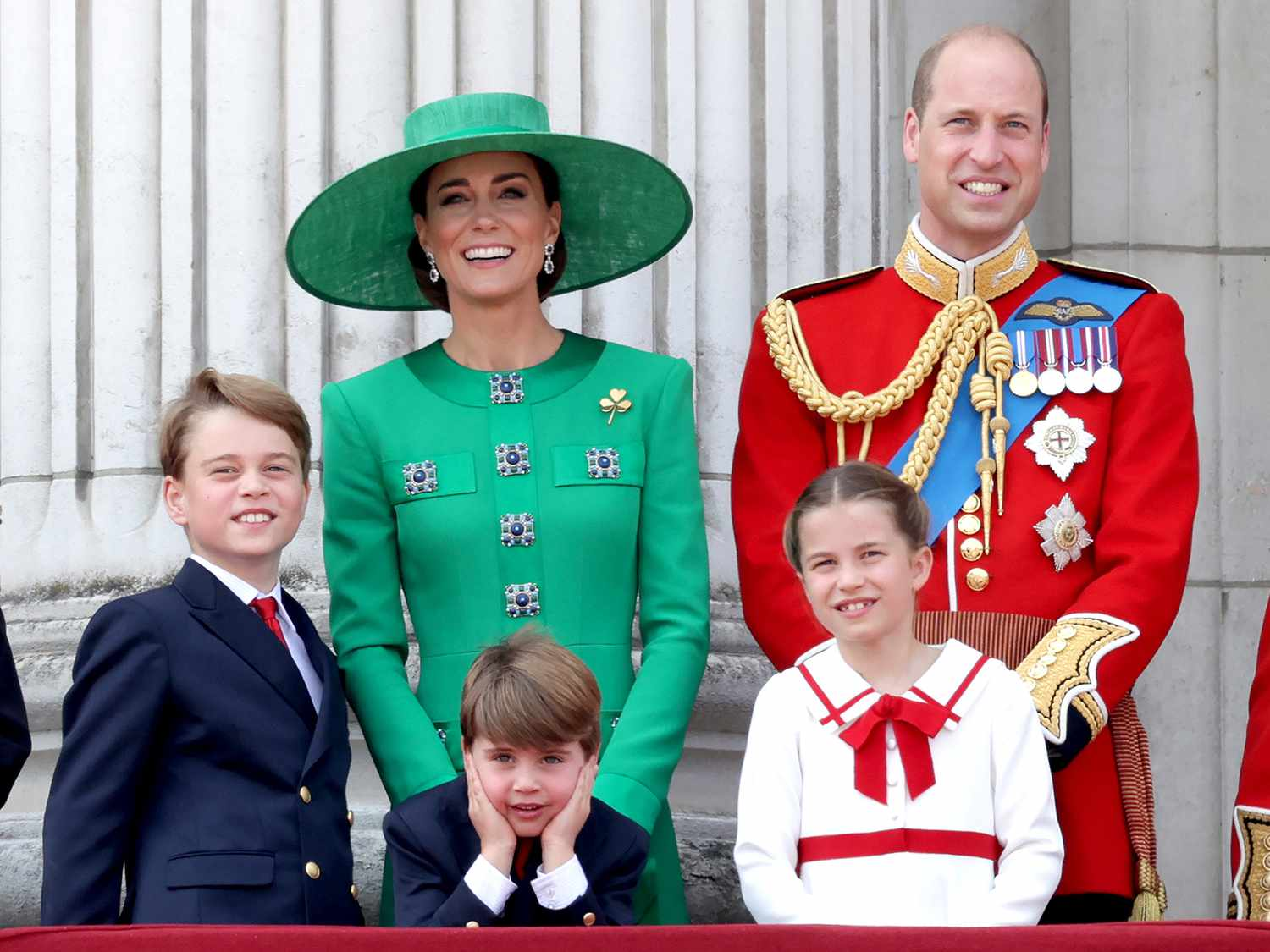
What Is Catherine, Princess of Wales’ Net Worth?
Estimates place Catherine’s personal net worth at approximately $10 million, a figure widely cited across financial analyses.
This valuation reflects:
- Wealth accumulated before her marriage
- Family assets linked to the Middleton household
- Personal contributions to business and early career work
However, this figure should not be interpreted in isolation. Catherine’s financial position is deeply intertwined with that of her husband, Prince William, whose wealth is estimated at $100–120 million.
Together, their access to royal assets significantly expands their financial capacity beyond personal net worth calculations.
Pre-Royal Wealth: The Middleton Family Foundation
Before entering royal life, Catherine Elizabeth Middleton was already part of a financially stable family.
The Party Pieces Business
Her parents, Michael and Carole Middleton, founded Party Pieces in 1987. The company became a successful party supply business valued at approximately $30–40 million at its peak.
Catherine contributed to the business, helping develop product lines and supporting its growth.
Trust Funds and Early Privilege
The Middleton family also benefited from:
- Inherited trust funds exceeding £3 million ($3.7 million)
- Investments in real estate, including high-value London property
- Access to elite education (e.g., Marlborough College)
This financial foundation positioned Catherine as affluent even before her royal marriage.
Income Structure: Why Royals Don’t Have Salaries
Unlike conventional public figures, Catherine does not receive a salary. Instead, her lifestyle and responsibilities are funded through royal mechanisms.
The Duchy of Cornwall
The most significant financial resource available to Catherine and her household is the Duchy of Cornwall, controlled by Prince William.
- Estimated value: over $1.2 billion
- Annual surplus: about $30.4 million (2023–2024)
This income covers:
- Official duties
- Staff salaries
- Travel and operational expenses
- Personal household costs
The Sovereign Grant
Another key funding source is the Sovereign Grant, a taxpayer-funded allocation.
- Approximate annual funding: $109 million
This supports:
- Royal residences
- Official engagements
- Institutional operations
Notably, security costs are handled separately by the state.
The Broader Royal Wealth Context
To understand Catherine’s financial reality, it is essential to consider the scale of the royal institution itself.
The British royal family’s total wealth is estimated at approximately $28 billion.
This includes:
- The Crown Estate
- The Duchy of Cornwall and Duchy of Lancaster
- Palaces and historic properties
- The Crown Jewels (valued between $4–8 billion)
While Catherine does not personally own these assets, her role grants her access to their benefits.
Assets, Lifestyle, and Non-Liquid Wealth
Catherine’s financial profile also includes non-liquid assets that contribute to her overall wealth perception.
Residences
She shares multiple royal residences with Prince William:
- Kensington Palace (London)
- Anmer Hall (Norfolk)
- Adelaide Cottage (Windsor)
These properties are not personal investments but are maintained through royal funding.
Jewelry and Heirlooms
Her collection includes:
- Princess Diana’s engagement ring
- The Cartier Halo tiara
- Numerous royal heirlooms
While valuable, these are typically held in trust and are not privately owned assets.
The “Kate Middleton Effect”: Economic Influence
Beyond direct financial holdings, Catherine exerts significant economic impact through her public role.
Her fashion choices alone are estimated to generate up to $1 billion annually for the British fashion industry.
This phenomenon—often called the “Kate Middleton effect”—demonstrates:
- Her influence on consumer behavior
- The commercial power of royal visibility
- The intersection of monarchy and modern branding
Financial Contrasts: Personal vs Institutional Wealth
A key distinction must be made:
| Category | Estimated Value |
|---|---|
| Catherine’s personal net worth | ~$10 million |
| Prince William’s net worth | $100–120 million |
| Duchy of Cornwall assets | $1.2+ billion |
| Royal family total wealth | ~$28 billion |
This disparity illustrates that Catherine’s personal wealth is modest relative to the institutional wealth surrounding her.
Challenges and Financial Shifts
Even established wealth structures are not immune to change.
The Middleton family business, Party Pieces, experienced:
- Losses exceeding $1.3 million during the pandemic
- Debts of $3.2 million by 2023
- Sale of the company for $180,000
Despite this, the family retained substantial wealth through property and investments.
The Role of Wealth in Modern Royal Life
Catherine’s financial position reflects a broader transformation in the monarchy:
- From inherited privilege to public accountability
- From private estates to transparent funding mechanisms
- From symbolic roles to measurable economic impact
Her work through the Royal Foundation and advocacy for early childhood development demonstrates that her influence extends well beyond financial metrics.
Conclusion: A Net Worth That Tells Only Part of the Story
The estimated $10 million net worth of Catherine, Princess of Wales provides a baseline—but not a complete picture.
Her financial reality is defined by three layers:
- Personal wealth rooted in her Middleton upbringing
- Shared marital wealth with Prince William
- Institutional access to one of the world’s most valuable royal systems
In practical terms, this combination places her among the most financially secure individuals globally, even if her personal net worth appears modest by comparison.
Ultimately, Catherine’s significance lies less in her individual fortune and more in her role within a centuries-old institution that continues to shape culture, economy, and global perception.


