

Catherine, Princess of Wales: A Narrative of Resilience, Renewal, and Royal Duty
A Return That Carried More Than Ceremony
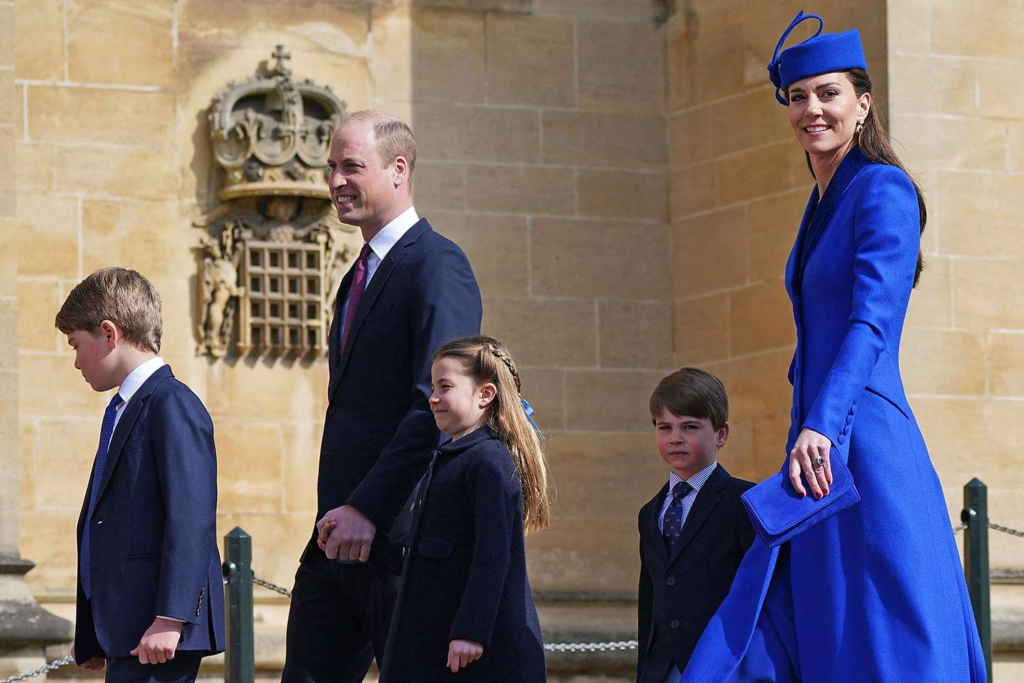
On a bright Easter morning in April 2026, Catherine, Princess of Wales stepped once again into public view at St George’s Chapel in Windsor. Alongside Prince William and their three children, she joined King Charles III and senior members of the royal family for the traditional Easter Matins service—a moment that transcended routine ceremony.
It was her first appearance at the service in three years, and its significance extended far beyond the liturgical calendar. This was not simply a return to tradition; it was a visible marker of recovery, resilience, and the gradual restoration of public life after a deeply personal health battle.
The applause that greeted the Wales family outside the chapel reflected more than admiration. It signaled a collective acknowledgment of a journey followed closely by millions.
The Years That Changed the Narrative
To understand the weight of this moment, one must look back at the events that kept Catherine away.
In 2024, the Princess publicly revealed she had been diagnosed with cancer and would undergo preventative chemotherapy. The announcement, made just weeks before Easter, prompted widespread concern and global support. That year, the family chose privacy over public duty, spending Easter away from Windsor.
The following year, 2025, brought cautious progress. Reports indicated that Catherine had entered remission early in the year, and she began reappearing at selected engagements, including high-profile events such as Wimbledon. Yet, the Wales family again opted for a private Easter, prioritizing recovery and stability over tradition.
By 2026, however, the narrative had shifted. Her return to the Easter service marked not just improved health, but a deliberate step back into the responsibilities and visibility of royal life.
Windsor 2026: A Carefully Observed Moment
The Easter Matins service at Windsor Castle remains one of the most enduring traditions of the British monarchy. It combines religious observance with public symbolism—unity, continuity, and faith.
This year’s gathering drew global attention for multiple reasons:
- It was the first full royal family appearance since the arrest of Prince Andrew earlier in the year.
- Several senior royals were notably absent, reflecting ongoing shifts within the institution.
- The monarchy itself appeared “slightly slimmed down,” highlighting structural changes under King Charles III.
Against this backdrop, Catherine’s presence became the focal point.
Dressed in a cream ensemble and accompanied by her family, she walked calmly toward the chapel, greeting well-wishers and maintaining composure. Observers noted her poised demeanor, interpreting it as a reflection of both personal strength and institutional responsibility.
The Wales children—Prince George, Princess Charlotte, and Prince Louis—also played a visible role, reinforcing the image of continuity within the royal lineage.
Symbolism Beyond the Ceremony
Easter, at its core, is a celebration of renewal—the resurrection of Jesus Christ and the promise of new beginnings. In 2026, that symbolism found a striking parallel in Catherine’s story.
Her return aligned closely with themes embedded in the service:
- Renewal: A re-entry into public life after illness
- Hope: A visible sign of recovery and resilience
- Restoration: The monarchy regaining a sense of stability
This convergence of personal and religious symbolism amplified the impact of her appearance.
Royal observers described the moment as a “quiet yet powerful milestone,” underscoring how personal narratives within the monarchy often intersect with broader cultural and spiritual themes.
The Monarchy in Transition
Catherine’s return also highlighted a broader institutional reality: the evolving structure of the British royal family.
Recent developments have reshaped public perception:
- The exclusion of Prince Andrew from official appearances
- The absence of figures such as Princess Beatrice and Princess Eugenie at this event
- A reduced number of senior working royals available for public duties
These changes have placed increased emphasis on central figures—particularly William and Catherine.
As future king and queen consort, their visibility is not optional; it is essential to the monarchy’s continuity. In this context, Catherine’s re-emergence carries strategic as well as symbolic importance.
Her ability to command public attention—often eclipsing ongoing controversies—demonstrates her role as one of the institution’s most stabilizing figures.
Public Perception and Cultural Influence
Beyond royal protocol, Catherine’s influence extends into broader cultural domains.
1. Public Connection
Her health journey resonated widely, humanizing an institution often perceived as distant. The transparency of her diagnosis and recovery fostered empathy and strengthened public trust.
2. Fashion and Identity
Her Easter appearance, including a cream Self-Portrait outfit and historically significant jewelry, generated extensive discussion. Her style choices continue to influence global fashion trends while reinforcing traditional royal aesthetics.
3. Family Image
The coordinated presence of the Wales family reinforces a narrative of stability, unity, and generational continuity—key elements in sustaining public support for the monarchy.
A Gradual Return, Not a Full Reset
While the 2026 Easter appearance signals progress, it does not represent a complete return to pre-illness normalcy.
Reports suggest that Catherine’s schedule remains carefully managed, with health and wellness continuing to guide her public engagements.
This measured approach reflects a broader shift in how modern royals balance duty with personal well-being—a contrast to earlier eras when public obligations often took precedence.
What Comes Next?
Looking ahead, several trends are likely to shape Catherine’s role:
Increased Visibility
As her recovery stabilizes, she is expected to resume a more consistent schedule of engagements, particularly those aligned with her key initiatives.
Strategic Positioning
Her role within the monarchy will likely expand, especially as the institution adapts to a smaller core of senior working royals.
Continued Public Engagement
Her ability to connect with audiences—through both personal narrative and public presence—positions her as a central figure in maintaining the monarchy’s relevance.
Conclusion: A Moment That Defines More Than One Person
The return of Catherine, Princess of Wales, to the 2026 Easter service is more than a ceremonial milestone. It encapsulates a broader story—one of personal resilience, institutional adaptation, and enduring public fascination.
In a period marked by health challenges, structural shifts, and public scrutiny, her presence offered something the monarchy relies on deeply: continuity grounded in human experience.
As she steps back into public life, the symbolism is clear. This is not merely a return—it is a recalibration of both personal purpose and royal duty, set against a changing landscape that demands both tradition and transformation.


