
Fuel, Conflict, and the Cost of Living: Why Food Prices Are Rising Again
A Global Shock Building in Plain Sight
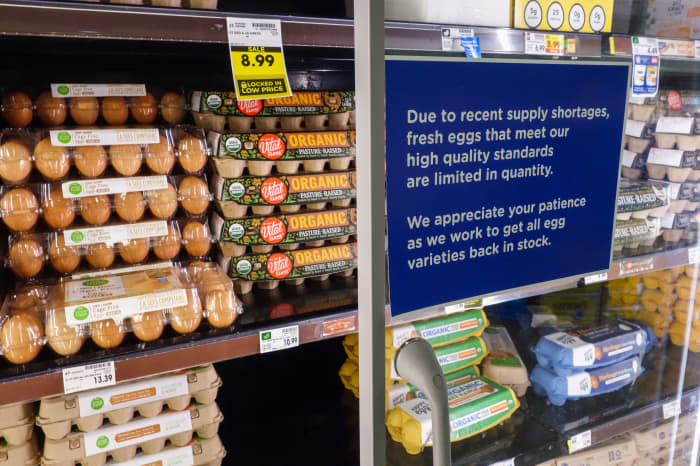
Food prices are once again climbing—and the drivers are not confined to farms or supermarkets. Instead, the surge reflects a complex chain reaction stretching from geopolitical tensions to energy markets and agricultural inputs. Across global markets, consumers are being warned to prepare for fresh price shocks as fuel costs rise and ripple through the entire food system.
Recent data shows that this is not a short-term fluctuation but a developing trend with deeper structural implications. According to the United Nations, global food commodity prices rose by 2.4% in March, marking the second consecutive monthly increase.
This upward movement is being fueled—quite literally—by rising energy costs linked to ongoing conflict in the Middle East, alongside mounting pressures on fertiliser supplies and transportation systems.
The Hidden Link: Energy Drives Food Prices
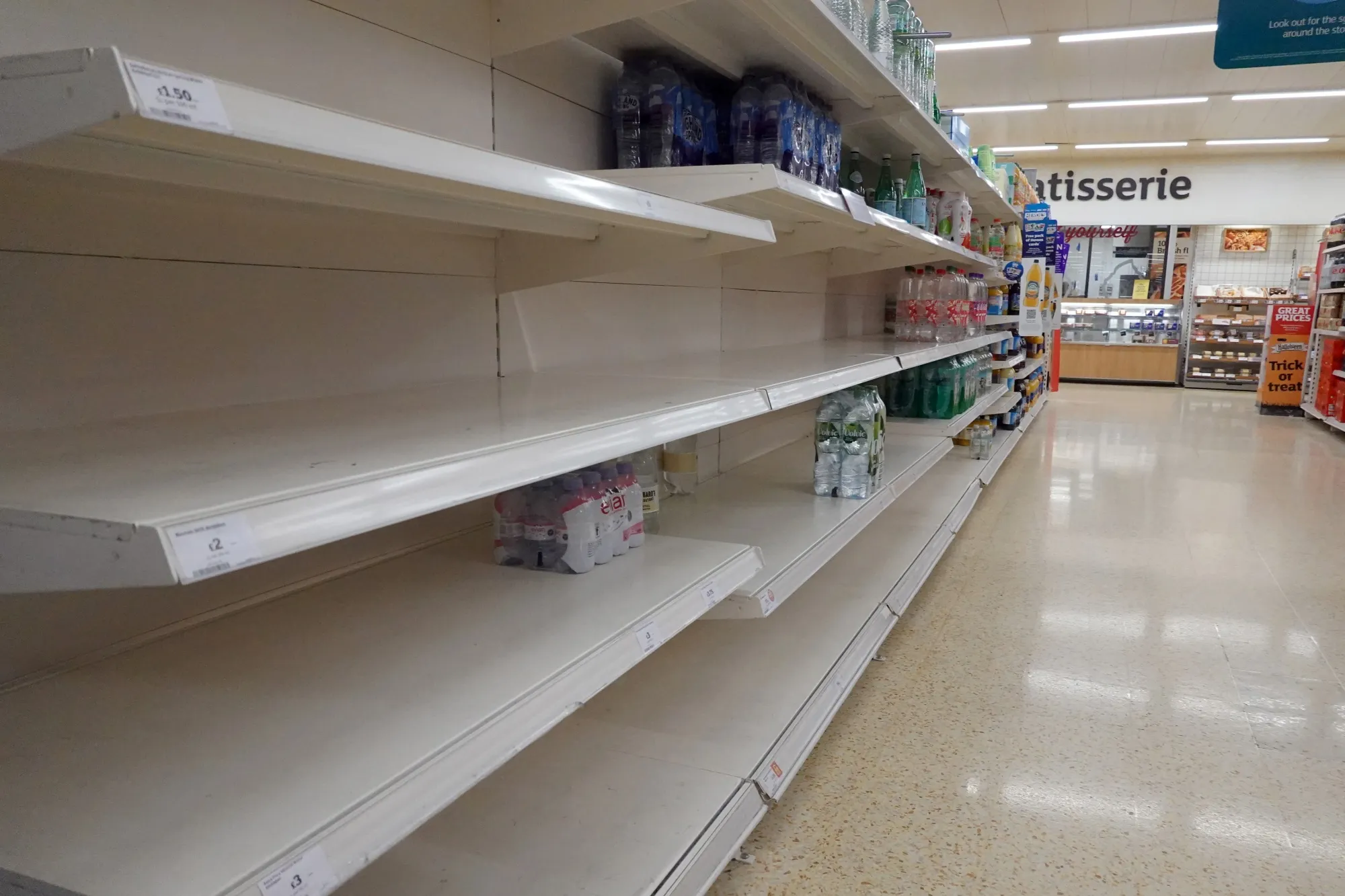
At first glance, food inflation might appear to be driven by supply shortages or seasonal changes. However, the current situation reveals a more systemic cause: energy.
The cost of producing, transporting, and processing food is heavily dependent on fuel. When fuel prices rise, the entire food value chain becomes more expensive.
This relationship is now evident in multiple ways:
- Diesel prices have increased significantly, affecting farming equipment and logistics
- Transportation costs have surged, especially for long-distance food distribution
- Food processing and storage—both energy-intensive—have become more expensive
Globally, trucking accounts for 83% of agricultural product transport and 92% of dairy, fruits, vegetables, and nuts in the United States, highlighting how dependent food supply chains are on fuel.
As fuel costs climb, these increases are inevitably passed on to consumers.
Conflict in the Middle East: A Key Trigger
The current surge in food prices is closely tied to geopolitical tensions, particularly in the Middle East. Disruptions to oil flows—especially through critical routes like the Strait of Hormuz—have tightened global energy supply.
This has had a cascading effect:
- Oil prices increase →
- Fuel becomes more expensive →
- Transport and production costs rise →
- Food prices follow
At the same time, fertiliser supply has also been affected. Approximately one-third of globally traded fertiliser passes through the Strait of Hormuz, making it highly vulnerable to disruption.
Experts warn that prolonged instability could significantly reshape agricultural output.
As one UN agrifood economist explained, the real issue is not just current food stocks, but “the cost of producing the next harvest… the food we need tomorrow and after tomorrow.”
Fertiliser Costs: The Delayed Crisis
Unlike fuel, which impacts prices almost immediately, fertiliser costs introduce a delayed but potentially more severe effect.
When fertiliser becomes more expensive:
- Farmers reduce usage or delay planting
- Crop yields decline
- Future supply tightens
- Prices increase months later
This delayed mechanism means that current price increases may only be the beginning.
Experts estimate fertiliser prices could rise 15% to 20% in the first half of 2026 if current conditions persist.
The consequences are already visible in some regions, where farmers are planting less wheat due to higher input costs.
Which Food Prices Are Rising the Most?
Not all food categories are affected equally. The latest data highlights specific areas where price increases are most pronounced:
- Sugar: up 7%
- Vegetable oils: up 5%
- Wheat: up 4.3%
- Dairy: up 1.2%
- Meat: up 1%
These increases reflect both supply-side pressures and demand patterns.
Vegetable oils and sugar, for example, are heavily traded commodities and highly sensitive to transportation costs. Wheat, on the other hand, is directly impacted by planting decisions and fertiliser availability.
Why Prices Haven’t Spiked Even Higher (Yet)
Despite these pressures, global food prices have not surged as dramatically as they did during earlier crises, such as the early stages of the war in Ukraine in 2022.
The primary reason: strong global supply conditions.
Good harvests in major producing regions, including the United States and parts of Asia, have kept markets relatively well supplied.
This has acted as a temporary buffer against more severe price increases.
However, this stability is fragile.
If production declines due to reduced fertiliser use or adverse weather conditions—such as potential El Niño-related drought—prices could escalate more sharply.
The Unequal Impact on Households
Rising food prices do not affect everyone equally.
Lower-income households are significantly more vulnerable because they spend a larger share of their income on food. In low- and middle-income countries, households spend up to 65% of their income on food, compared to around 20% for wealthier households.
This disparity means that even modest increases in food prices can have severe consequences:
- Reduced access to nutritious food
- Increased risk of food insecurity
- Greater financial stress
The United Nations has already warned that rising fuel costs could push more people toward severe food insecurity in the coming months.
Retailers and Consumers: A Tense Adjustment Period
Retailers and food producers are now facing a difficult balancing act. On one hand, they must absorb rising costs; on the other, they must remain competitive in price-sensitive markets.
Major supermarket chains and food producers—such as Shoprite, Pick n Pay, Tiger Brands, and Premier Foods—are likely to feel increasing pressure as input costs rise.
For consumers, the adjustment is already underway:
- Grocery bills are gradually increasing
- Certain items become noticeably more expensive
- Budget constraints tighten
With fuel costs continuing to rise, further increases appear inevitable.
What Comes Next?
The trajectory of food prices over the coming months will depend on several key factors:
1. Duration of Geopolitical Tensions
If the Middle East conflict continues, energy and fertiliser costs are unlikely to stabilize.
2. Fuel Price Trends
Sustained high diesel and oil prices will continue to push up transport and production costs.
3. Agricultural Output
Reduced fertiliser use and potential climate shocks could lower yields.
4. Global Supply Chains
Any disruption to key trade routes could amplify existing pressures.
At present, the outlook points toward continued volatility rather than immediate relief.
Conclusion: A System Under Pressure
The current rise in food prices is not an isolated event—it is the result of interconnected global systems under strain. Energy markets, geopolitical conflict, agricultural inputs, and logistics networks are all contributing to a complex and evolving situation.
While short-term supply stability has prevented a sharp spike, underlying pressures are building. The most significant risks lie ahead, particularly as higher fertiliser costs begin to affect future harvests.
For consumers, businesses, and policymakers alike, the message is clear: food inflation is not just returning—it is evolving into a more structural challenge that will shape the global cost of living in the months ahead.


