
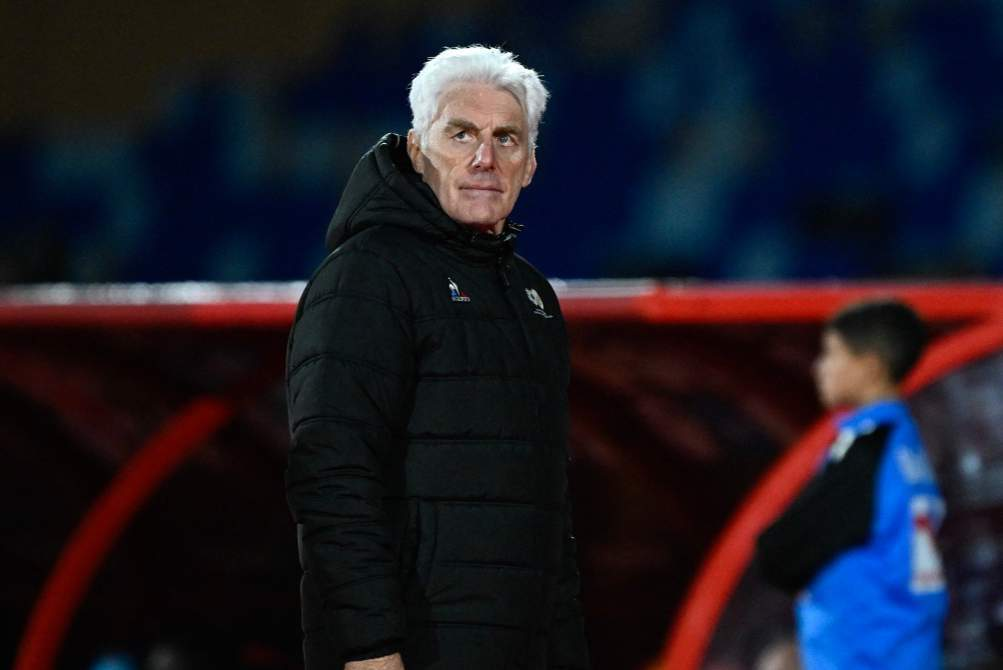
Hugo Broos and Africa’s Tactical Landscape: A Manager Shaping Narratives Across Nations
Introduction: A European Coach at the Center of African Football Debates
Few managers in modern African football have generated as much discussion, scrutiny, and tactical debate as Hugo Broos. The Belgian coach, known for his disciplined approach and direct communication style, has carved out a distinctive reputation across the continent—particularly through his tenure with South Africa national football team.
From his working relationship with Molefi Ntseki to his candid views on continental heavyweights like Morocco national football team, Algeria national football team, and Nigeria national football team, Broos has positioned himself not just as a coach—but as a vocal analyst of African football’s evolving ecosystem.
This feature examines his influence, relationships, and perspectives—alongside his growing public profile, including interest in his online presence such as his Instagram visibility.
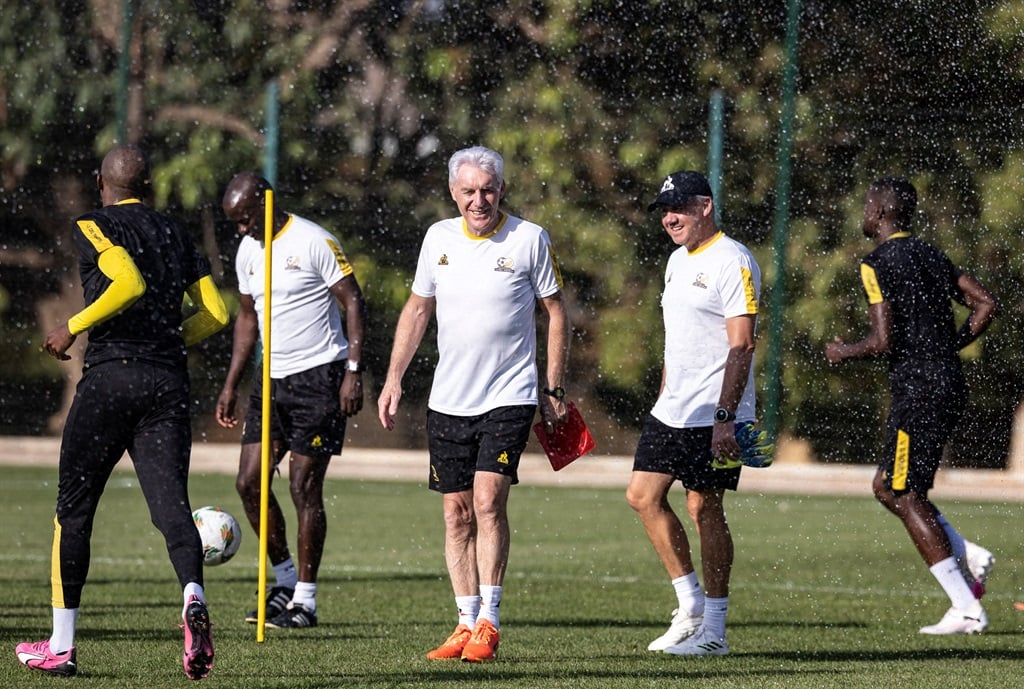
From Belgium to Africa: A Career Built on Structure and Results
Before his African journey, Hugo Broos built his credentials in European football, both as a player and a manager. However, his transition into African football marked a defining phase of his career.
His approach is rooted in:
- Tactical discipline
- Defensive organization
- Structured team identity
- Emphasis on collective performance over individual flair
These principles have consistently shaped his teams, particularly in national setups where cohesion often determines success more than star power.
Hugo Broos and South Africa: Rebuilding Bafana Bafana
A Project Focused on Stability
When Broos took charge of South Africa national football team, expectations were measured. South Africa had struggled with consistency, identity, and long-term planning.
Broos introduced a clear framework:
- Prioritizing youth development
- Building a disciplined defensive core
- Encouraging tactical awareness across all positions
Rather than relying on established names, he leaned toward players who fit his system—sometimes at the cost of popularity.
A Shift in Identity
Under his leadership, South Africa began to exhibit:
- Greater tactical cohesion
- Improved defensive resilience
- Structured transitions between defense and attack
This shift has contributed to renewed optimism around the national team’s direction.
The Molefi Ntseki Connection: Collaboration and Contrast
The relationship between Hugo Broos and Molefi Ntseki has drawn attention within South African football circles.
Ntseki, who has also played a role in the national setup, represents a different coaching philosophy—one that is often viewed as more development-oriented and aligned with local football structures.
Key Dynamics in Their Association
- Collaboration: Both figures have contributed to shaping South Africa’s football pathway
- Philosophical differences: Broos emphasizes immediate structure and results, while Ntseki is often associated with long-term player development
- Continuity vs. change: Their interaction reflects the broader tension between rebuilding and maintaining continuity in national teams
This dynamic has influenced both team selection strategies and long-term planning.
Broos on Morocco, Algeria, and Nigeria: A Coach’s Perspective
Hugo Broos has not shied away from expressing his views on Africa’s top footballing nations. His comments on teams like Morocco, Algeria, and Nigeria often reflect a blend of respect and tactical critique.
Morocco: Tactical Sophistication
Regarding Morocco national football team, Broos has acknowledged:
- Strong tactical discipline
- High-level organization
- Ability to compete globally
Morocco’s recent performances have reinforced their status as a benchmark for African teams.
Algeria: Technical Quality with Expectations
On Algeria national football team, Broos has highlighted:
- Technical strength
- Depth in attacking options
- Pressure to consistently perform at elite levels
Algeria’s challenge lies in maintaining consistency across tournaments.
Nigeria: Talent vs. Structure Debate
When discussing Nigeria national football team, Broos often points to:
- Abundance of individual talent
- Need for stronger tactical cohesion
- Balancing flair with discipline
His analysis suggests that Nigeria’s potential is undeniable—but translating that into structured team performance remains critical.
Hugo Broos and Media Presence: The Instagram Factor
In today’s football environment, visibility extends beyond the touchline. Interest in Hugo Broos’ Instagram presence reflects a broader trend:
- Fans seeking direct insight into coaches’ personalities
- Increased demand for behind-the-scenes access
- Growing importance of personal branding in football
While Broos is not widely known for a highly active social media presence compared to players, the curiosity surrounding his Instagram highlights his growing relevance in global football conversations.
Leadership Style: Direct, Pragmatic, and Uncompromising
One of Broos’ defining characteristics is his communication style. He is known for:
- Straightforward public statements
- Willingness to critique players and systems
- Clear expectations for discipline and accountability
This approach has earned him both respect and criticism. However, it aligns with his broader philosophy: clarity drives performance.
Broader Impact on African Football
Hugo Broos’ presence in African football extends beyond individual teams. His influence can be observed in several areas:
1. Tactical Awareness
His emphasis on structure has contributed to:
- Greater focus on defensive organization
- Improved tactical discipline among players
- Increased appreciation for system-based football
2. Coaching Standards
Broos represents a model of:
- Professionalism
- Experience-driven leadership
- Results-oriented management
3. Competitive Balance
By strengthening teams like South Africa, he contributes to:
- Increased competitiveness across African tournaments
- Reduced dominance of traditional powerhouses
- More unpredictable outcomes in competitions
Challenges and Criticism
Despite his achievements, Broos’ tenure in African football has not been without challenges:
- Criticism over squad selection decisions
- Debates about balancing youth and experience
- Pressure to deliver consistent results
These challenges are inherent in international football, particularly in regions with passionate fan bases and high expectations.
Future Outlook: What Lies Ahead?
Looking forward, Hugo Broos’ trajectory will likely depend on:
- Continued performance with South Africa
- Ability to maintain tactical consistency
- Adaptation to evolving football trends
His influence may also extend into mentoring roles or advisory positions, given his experience across both European and African football systems.
Conclusion: A Manager Who Shapes Conversations
Hugo Broos is more than a national team coach—he is a figure who actively shapes discussions around African football’s direction.
From his work with South Africa to his views on Morocco, Algeria, and Nigeria, and his collaboration with figures like Molefi Ntseki, Broos represents a blend of European structure and African football dynamism.
His impact is measurable not only in results but in how teams think, organize, and compete. As African football continues to evolve, figures like Broos remain central to its ongoing transformation.


