
Mbekezeli Mbokazi: A Rising Defender Balancing Fire and Control
Introduction: A Talent Emerging at the Right Time
At just 20 years old, Mbekezeli Mbokazi has quickly positioned himself as one of South Africa’s most promising defensive prospects. His performances for Bafana Bafana and his transition to Major League Soccer signal the arrival of a player capable of shaping the national team’s future.
Yet, as his influence grows, so does scrutiny. The conversation around Mbokazi is no longer just about talent—it is increasingly about maturity, discipline, and whether he can refine the emotional edge that both defines and challenges his game.
This analysis explores Mbokazi’s recent performances, his rapid rise, the concerns surrounding his temperament, and what lies ahead as South Africa prepares for the 2026 FIFA World Cup.
A Breakout Moment on Home Soil
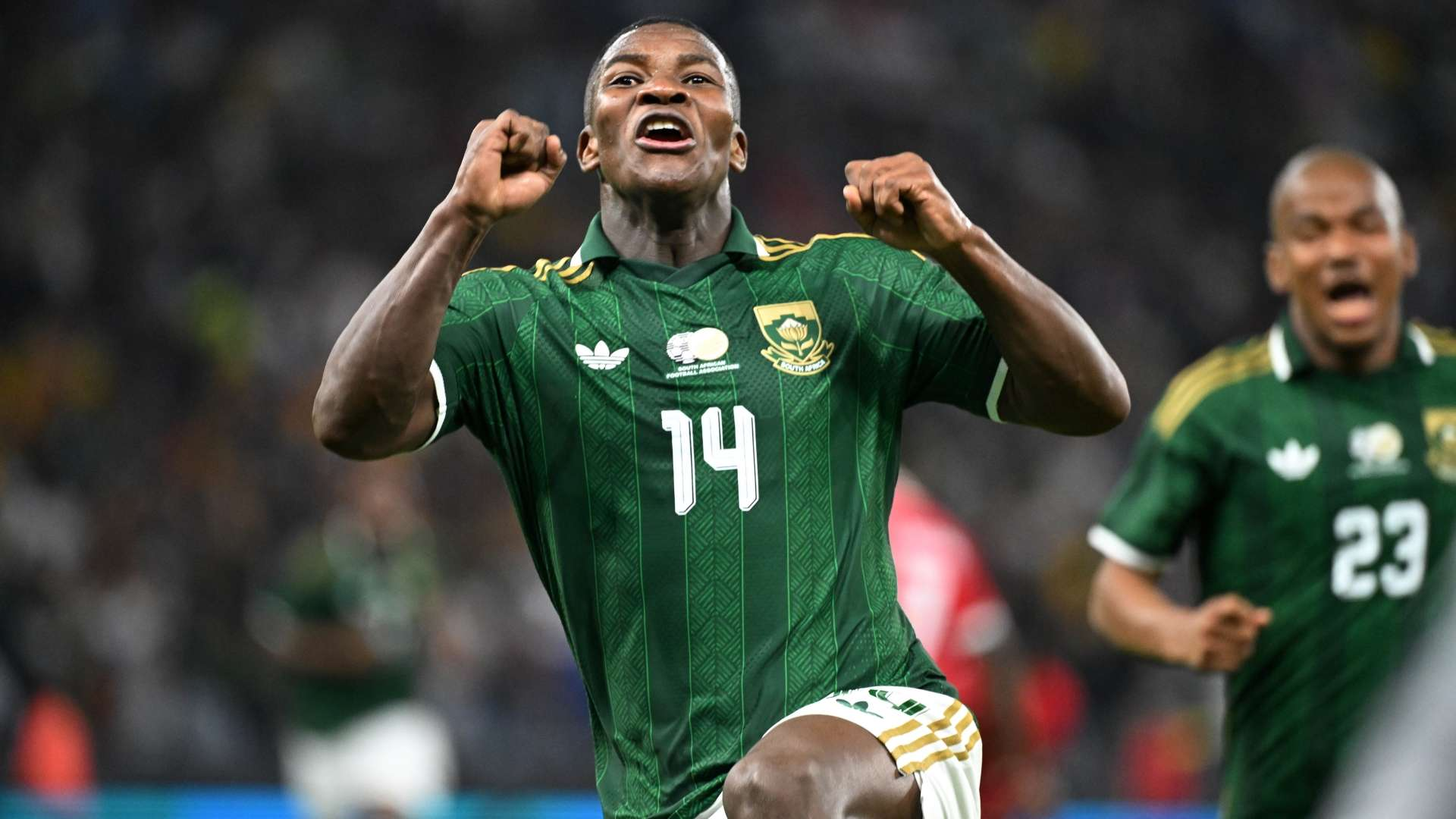
Mbokazi’s recent return to the national team setup was marked by a standout performance against Panama in Cape Town. Despite the defeat, he delivered one of the defining moments of the match—a powerful equaliser that reinforced his growing reputation as a defender capable of contributing offensively.
His impact extended beyond the goal. Throughout the match, he demonstrated composure on the ball, defensive awareness, and a willingness to step forward—traits that are increasingly valuable in modern centre-backs.
Reflecting on the performance, Mbokazi maintained a measured perspective:
“We played well today, and rallying together is the main reason we perform… Losing this game does not mean we played badly.”
This response highlights a level of maturity in his public outlook, even as questions remain about his in-game discipline.
From Orlando Pirates to Major League Soccer
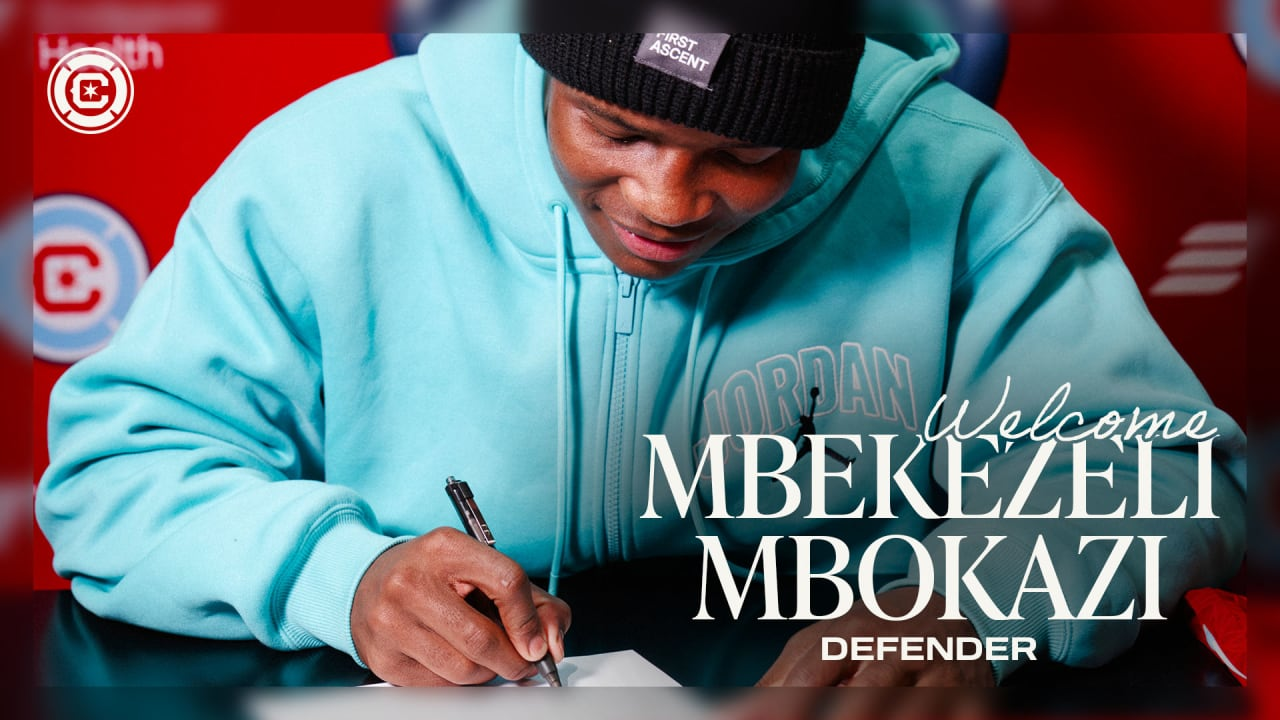
Mbokazi’s rapid development is closely tied to his move from Orlando Pirates to Chicago Fire FC earlier in 2026.
Since joining the MLS side in January, he has:
- Featured in all five matches for the club
- Helped the team climb to fifth in the Eastern Conference standings
- Adapted quickly to a faster, more physically demanding league
This transition is significant. Moving abroad at such a young age often exposes players to higher tactical demands and different styles of play. For Mbokazi, it has accelerated his growth and broadened his experience ahead of international competition.
His performances have not gone unnoticed. Chicago Fire midfielder Djé D’Avilla described him as:
“a special guy, special, special… what a goal.”
Such praise from teammates reinforces the perception that Mbokazi is not just a prospect, but an emerging contributor at club and international level.
The Hugo Broos Perspective: Talent with a Warning
South Africa head coach Hugo Broos has been one of Mbokazi’s strongest supporters—but also his most candid critic.
Following the Panama match, Broos emphasized both the defender’s strengths and his primary weakness:
“He’s a very good defender… the only thing… is that sometimes he loses temper.”
Broos’ assessment is nuanced. He does not view Mbokazi’s aggression as inherently negative. In fact, he values the fighting mentality:
“I like more someone with the will to fight… than a soft guy.”
However, the issue lies in control. According to Broos, emotional lapses often occur when the player becomes nervous:
“It’s something that he does when he starts to be nervous and then he loses his temper.”
This insight is critical. It suggests that Mbokazi’s disciplinary issues are not rooted in recklessness alone, but in psychological responses under pressure—something that can be addressed with experience and coaching.
The Suspension Setback: A Critical Lesson
The most immediate consequence of Mbokazi’s temperament is his suspension for South Africa’s opening match at the 2026 FIFA World Cup.
The dismissal occurred during a qualifying match against Zimbabwe for violent conduct, underlining the risks associated with losing composure at the highest level.
This absence carries significant implications:
- South Africa will be without one of its most in-form defenders in a crucial opening fixture
- The team must adjust its defensive structure against strong opposition
- Mbokazi misses an opportunity to establish himself on the global stage early in the tournament
From a developmental standpoint, this moment may prove pivotal. It represents a clear inflection point where raw potential must transition into controlled excellence.
Tactical Profile: What Makes Mbokazi Stand Out
Mbokazi’s appeal lies in a combination of attributes that are increasingly rare in young defenders:
1. Physical Presence
He brings strength and aggression in duels, making him difficult to bypass in one-on-one situations.
2. Ball Progression
Unlike traditional centre-backs, he is comfortable advancing the ball and contributing to attacking phases.
3. Mentality
His willingness to engage physically and assert dominance reflects a competitive mindset valued at elite level.
4. Versatility
His ability to impact both defensively and offensively—highlighted by his goal against Panama—adds tactical flexibility.
However, these strengths come with a caveat: the same aggression that defines his style must be regulated to avoid costly errors.
The Bigger Picture: South Africa’s Defensive Future
Mbokazi’s emergence comes at a crucial time for South African football. As the team prepares for the 2026 FIFA World Cup, there is a clear emphasis on building a new generation capable of competing internationally.
His role within this framework is significant:
- He represents a shift toward younger, internationally experienced players
- His exposure in MLS enhances his readiness for global competition
- His development trajectory aligns with the national team’s long-term rebuilding strategy
Despite his suspension, there is little doubt that Mbokazi remains central to Broos’ plans.
Psychological Development: The Missing Piece
At elite level, the difference between a good player and a great one often lies in decision-making under pressure.
For Mbokazi, the key developmental focus areas include:
- Emotional regulation during high-stress moments
- Situational awareness to avoid unnecessary fouls
- Channeling aggression into controlled defensive actions
Broos’ intention to work closely with the player suggests a structured approach to addressing these aspects.
Importantly, these are coachable elements. Many top defenders have faced similar challenges early in their careers before evolving into disciplined leaders.
Looking Ahead: World Cup and Beyond
South Africa’s opening World Cup match against Mexico will proceed without Mbokazi, but his influence on the squad remains intact.
Beyond the tournament, several potential trajectories emerge:
- Short-term: Reintegration into the squad after suspension and continued development at club level
- Medium-term: Establishment as a first-choice centre-back for both club and country
- Long-term: Potential leadership role within the national team
If he successfully refines his temperament, Mbokazi could transition from promising talent to cornerstone defender.
Conclusion: A Career Defined by Balance
Mbekezeli Mbokazi’s story is not simply about rapid rise—it is about equilibrium.
He embodies the qualities modern football demands: strength, confidence, technical ability, and competitive intensity. Yet, his progression now depends on mastering control without losing edge.
The message from Hugo Broos is clear: aggression is an asset, but only when disciplined.
As South Africa moves toward the 2026 FIFA World Cup, Mbokazi stands at a defining moment in his career. Whether he becomes a dependable defensive leader or remains an inconsistent talent will depend on how effectively he balances fire with composure.


