
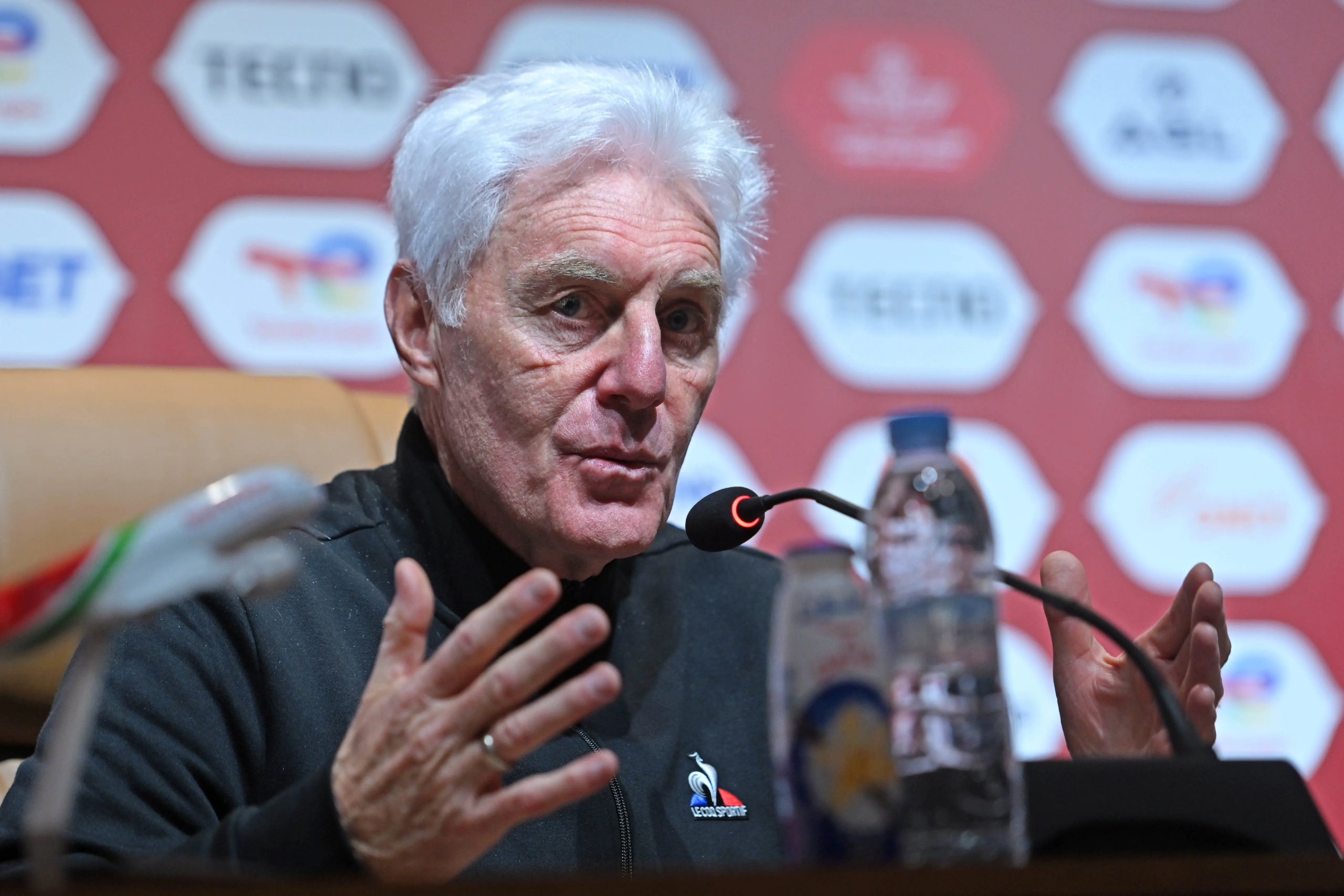
Hugo Broos: Stability, Controversy, and the Defining Months Ahead for Bafana Bafana
A Manager at the Center of South Africa’s Football Debate
Few figures in South African football currently generate as much discussion as Hugo Broos. As head coach of Bafana Bafana, the experienced Belgian tactician finds himself navigating a complex intersection of progress, public scrutiny, and high-stakes expectations—with the 2026 FIFA World Cup just months away.
Broos’ tenure has been marked by measurable improvement in team structure and performance. Yet, as recent reactions from fans and analysts show, his decisions—particularly around squad selection—are under intense scrutiny. The result is a narrative that blends achievement with controversy, and stability with uncertainty.
This is not simply a story about a coach. It is a case study in leadership under pressure, where every tactical choice carries national significance.
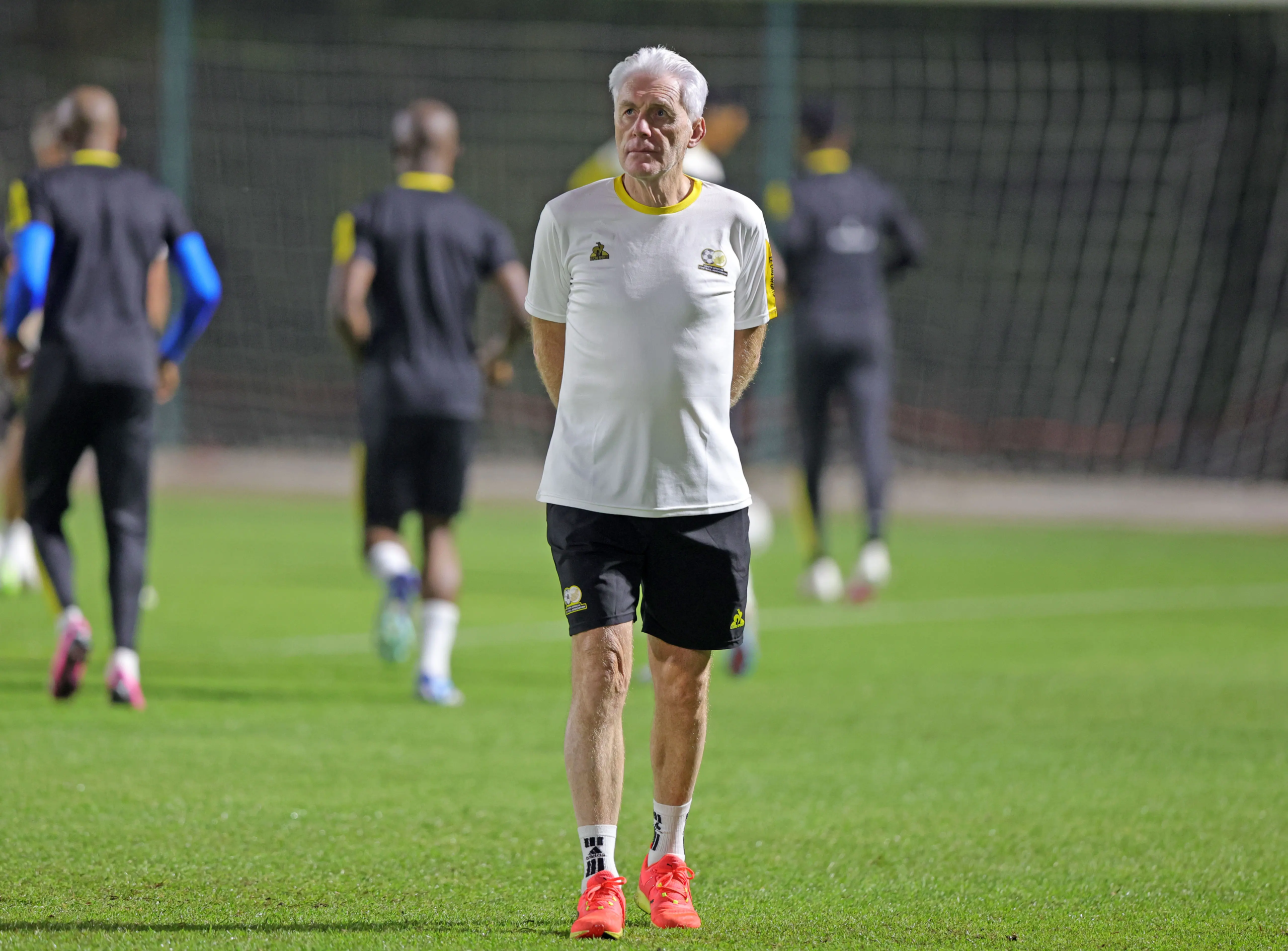
Rebuilding Bafana Bafana: A Quiet Transformation
When Hugo Broos took charge, South African football was searching for direction. The national team had struggled with inconsistency, off-field instability, and a lack of clear tactical identity.
Under Broos, that changed.
Former Orlando Pirates coach Roger de Sa highlighted the transformation, noting that the Belgian has “done a fantastic job” and exceeded expectations. According to De Sa, Broos brought:
- Tactical clarity
- Reduced off-field distractions
- Consistent team selection philosophy
- Improved overall structure
This stability has been one of Broos’ most significant contributions. The national setup, once prone to disruption, now operates with a defined system and clear hierarchy.
Importantly, this progress has translated into tangible outcomes. South Africa is now preparing for the 2026 FIFA World Cup with a competitive squad and renewed belief.
The World Cup Blueprint: Continuity Over Experimentation
With the tournament approaching, Broos has made his selection philosophy clear.
He stated that “seventy to seventy five percent of the team” that featured in recent friendlies against Panama will form the core of the World Cup squad. This indicates a deliberate strategy: continuity over experimentation.
Key Players in Broos’ Core Squad
Several players are effectively guaranteed places, forming the backbone of the team:
- Ronwen Williams – Captain with over 60 caps
- Teboho Mokoena – Experienced midfield anchor
- Khuliso Mudau – Reliable right-back
- Oswin Appollis – Attacking contributor (8 goals, 7 assists in 24 games)
- Themba Zwane – Creative leader if fit
- Lyle Foster – 10 goals in 29 appearances despite criticism
- Mbekezeli Mbokazi – Emerging defensive talent
- Aubrey Modiba – Versatile and experienced
- Sphephelo Sithole – Midfield consistency
- Ricardo Goss – Trusted backup option
This group reflects Broos’ emphasis on trust, familiarity, and tactical cohesion rather than constant rotation.
From a managerial perspective, this is a risk-managed approach. However, it also creates tension—particularly among players performing well outside this core.
The Lorch Controversy: Selection or Stubbornness?
No issue currently defines Broos’ public perception more than the debate surrounding Thembinkosi Lorch.
The attacker has been in strong form abroad, contributing goals and assists, yet remains absent from national team selections. This has triggered a wave of reactions from fans:
- “Lorch will never play for Bafana Bafana as long as Hugo Broos is still the coach.”
- “Even if Lorch scores 100 goals every match… he will still not be going.”
- “He knows how to unlock low block teams… he is 10x better than Lyle Foster.”
These reactions illustrate a growing perception that selection decisions may be influenced by factors beyond pure form.
At the same time, counterarguments exist. Some fans dismiss Lorch’s performances in the Libyan league, with comments such as:
- “Even Ashley du Preez can score thousands of goals in that Libyan league.”
- “Lorch is playing with fishermen and carpenters.”
This divide reflects a deeper debate: should national selection prioritize form regardless of league quality, or maintain trust in established systems?
For Broos, the answer appears clear—system over individual form.
Leadership Under Pressure: Ego or Authority?
Another recurring theme in public discourse is Broos’ leadership style.
Some supporters argue that his firm approach borders on rigidity:
- “Coach Hugo Broos has taken us this far, but his ego will make the Bafana Bafana World Cup journey short.”
Others defend his authority as necessary for maintaining discipline and cohesion in a national team environment.
From a technical standpoint, this tension is not unusual. Elite international managers often operate with a defined tactical framework that limits flexibility in selection. The question is whether that rigidity becomes a liability in high-pressure tournaments.
The Succession Debate: Is Change on the Horizon?
The conversation around Broos has also expanded into discussions about his future.
South African coach Rhulani Mokwena has emerged as a popular alternative among fans, with some calling for an immediate transition.
At the same time, Broos himself has introduced uncertainty by reconsidering his earlier retirement plans. During a recent international break, he admitted he may have “spoken too soon” about stepping down.
Roger de Sa emphasized that the decision ultimately rests with both Broos and the South African Football Association (SAFA), noting:
- “He has done a lot better than a lot of people expected him to do.”
This creates a complex scenario:
- A coach delivering results
- A fan base divided on his methods
- A federation that must balance continuity with long-term planning
The World Cup Stakes: Success or Scrutiny
The upcoming 2026 FIFA World Cup represents the defining chapter of Broos’ tenure.
South Africa’s group-stage fixtures include matches against Mexico, Czechia, and South Korea—tests that will require both tactical discipline and adaptability.
According to De Sa, success will be measured not just by results but by progression:
- Reaching the knockout stages
- Maintaining competitive performances
- Demonstrating quality football
If Broos achieves these objectives, his legacy will be cemented as one of the most effective rebuilding projects in recent South African football history.
Failure, however, would amplify existing criticisms—particularly around selection decisions and tactical inflexibility.
Conclusion: A Legacy Still Being Written
Hugo Broos stands at a critical juncture.
On one hand, he has delivered stability, structure, and renewed competitiveness to Bafana Bafana. On the other, he faces mounting pressure from fans questioning his decisions and calling for change.
The coming months will determine how his tenure is ultimately judged.
Will his disciplined, system-driven approach guide South Africa to World Cup success?
Or will unresolved controversies and selection debates overshadow his achievements?
For now, one thing is certain: Hugo Broos remains one of the most consequential figures in South African football—and his story is far from complete.


