

iPhone 17 Pro Max: A Strategic Flagship in a Shifting Smartphone Market
The Context: Apple’s Milestone Meets Market Pressure
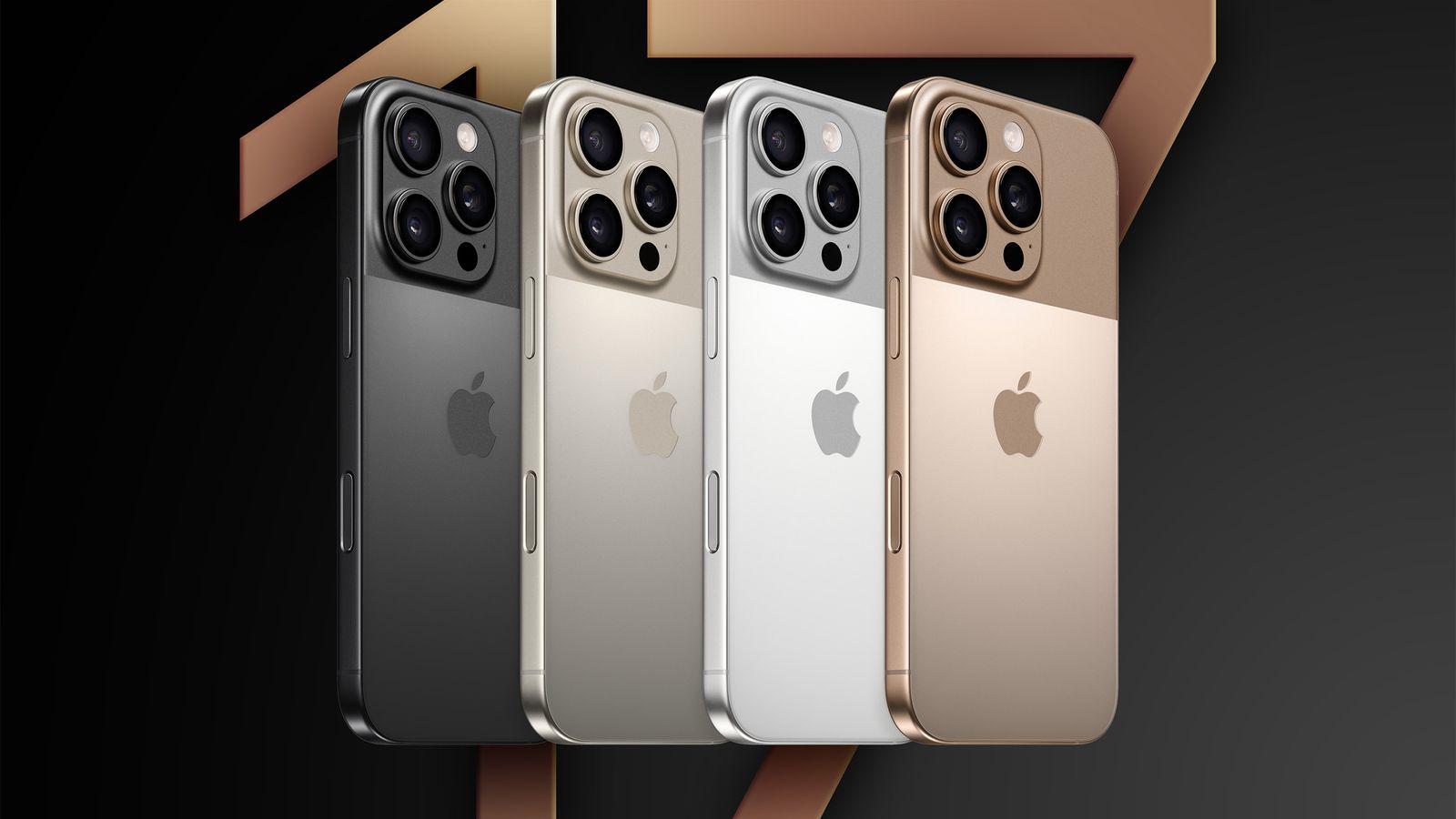
The Apple iPhone 17 Pro Max has entered a uniquely strategic moment in the premium smartphone cycle. Rather than being defined solely by its hardware, the device is now at the center of a broader shift—one shaped by anniversary-driven pricing strategies, evolving consumer expectations, and growing anticipation for future models.
In April 2026, Apple marked its 50th anniversary with a series of aggressive retail campaigns, particularly in India. These promotions significantly repositioned the iPhone 17 Pro Max in the market—not as an unattainable flagship, but as a more accessible high-performance device for a wider audience.
This development signals more than a simple discount. It reflects a calculated move to sustain dominance in a highly competitive premium segment while bridging the gap to the next generation of devices.
Pricing Reset: How Discounts Are Reshaping Demand
The most immediate and measurable shift surrounding the iPhone 17 Pro Max is its pricing adjustment.
Originally priced at Rs. 1,49,900, the 256GB variant has seen its effective cost reduced to approximately Rs. 1,02,900 under the anniversary campaign.
This reduction is not a single discount but a layered incentive structure:
- Rs. 1,000 instant discount
- Rs. 4,000 bank cashback
- Rs. 6,000 exchange bonus
- Up to Rs. 36,000 additional exchange value depending on device eligibility
From a market perspective, this is a notable recalibration. Premium smartphones typically maintain pricing rigidity to preserve brand positioning. Apple’s willingness to introduce stacked incentives indicates a targeted effort to:
- Expand the addressable premium market
- Retain users considering delaying upgrades
- Counterbalance rising attention toward future models
The result is a flagship device that is no longer positioned purely as aspirational—but increasingly as attainable.
Anniversary Strategy: More Than Just Discounts
The 50th anniversary campaign is not limited to pricing; it represents a broader ecosystem push.
Alongside the iPhone 17 Pro Max, Apple extended similar offers to:
- iPhone 17 and iPhone Air
- iPad (2025) models
- Apple Watch Ultra, Series, and SE variants
This coordinated strategy suggests a deliberate effort to reinforce ecosystem lock-in. By lowering entry barriers across multiple product categories, Apple is encouraging users to invest not just in a device—but in an integrated digital environment.
Additionally, financing options such as no-cost EMI plans up to 24 months, with monthly payments starting at Rs. 3,413, further reduce friction for buyers.
From a commercial standpoint, this aligns with a retention-focused model rather than a purely innovation-driven sales cycle.
Performance and Utility: Why the 17 Pro Max Still Holds Ground
Despite increasing speculation about future devices, the iPhone 17 Pro Max continues to maintain strong relevance in real-world usage.
Market analysis indicates that the device remains competitive due to:
- High-end processing performance
- Strong battery efficiency, outperforming many competitors in long-term testing
- Advanced camera capabilities, particularly for professional content creation
A notable development is the growing ecosystem around modular accessories, such as the Tilta Khronos photography system. This approach introduces a new dimension to smartphone longevity—allowing users to upgrade functionality without replacing the core device.
In practical terms, this shifts the iPhone from a short-cycle consumer product to a long-term production tool, particularly for creators and professionals.
Design Trade-offs: The Reality of Advanced Hardware
While performance remains a strength, the iPhone 17 Pro Max also illustrates the physical trade-offs of modern smartphone engineering.
One recurring issue is the “wobble effect”, caused by the enlarged camera module. The device’s advanced imaging system—featuring larger sensors and stabilization components—creates an uneven back surface.
This results in:
- Noticeable instability when placed on flat surfaces
- A design compromise driven by performance priorities
In fact, among recent models, the iPhone 17 Pro Max is considered one of the most affected due to its heavier and more pronounced camera system.
This highlights a broader trend in smartphone design: increasing specialization (e.g., professional-grade photography) often comes at the cost of everyday ergonomics.
The Upgrade Dilemma: Buy Now or Wait?
The current positioning of the iPhone 17 Pro Max is closely tied to uncertainty surrounding future releases.
Industry discussions suggest that the iPhone 18 may adopt a staggered release schedule, potentially extending into early 2027.
This creates a critical decision point for consumers:
Immediate Purchase Advantages
- Significant price reductions
- Mature, stable hardware
- Proven performance and ecosystem support
Waiting Considerations
- Potential new features (e.g., under-screen Face ID, advanced camera systems)
- Incremental innovation rather than radical change
Analysts broadly indicate that the iPhone 17 Pro Max represents a “stable high-value acquisition” in the current cycle, particularly for users who prioritize reliability over speculative upgrades.
Market Implications: A Shift Toward Value Retention
The pricing strategy and ecosystem positioning of the iPhone 17 Pro Max suggest a subtle but important shift in Apple’s approach.
Rather than relying solely on annual innovation cycles, the company appears to be:
- Extending the lifecycle relevance of flagship devices
- Emphasizing long-term utility over short-term novelty
- Encouraging accessory ecosystems to sustain device value
This aligns with broader industry trends where hardware improvements are becoming incremental, and differentiation increasingly depends on software, ecosystem integration, and user experience continuity.
Conclusion: A Flagship Redefined by Timing
The iPhone 17 Pro Max is not simply a product defined by specifications—it is defined by timing.
Released into a market balancing between present utility and future anticipation, it has been repositioned through pricing, ecosystem integration, and strategic messaging. The result is a flagship that operates in two dimensions:
- As a high-performance device in its own right
- As a transitional anchor in Apple’s evolving product roadmap
For consumers, the question is less about whether the device is capable—it clearly is—and more about when value matters most: now, or in the next cycle.


