Spurs vs Clippers: Momentum, Dominance, and a Statement Win
A Western Conference Clash with Playoff Implications
The late-season matchup between the San Antonio Spurs and the Los Angeles Clippers on April 2, 2026, carried more weight than a typical regular-season game. With playoff positioning tightening in the Western Conference, both teams entered the contest with clear but contrasting objectives.
- A Western Conference Clash with Playoff Implications
- The Context: Form, Records, and Expectations
- The Game Unfolds: Spurs Take Control
- Key Performers and Tactical Highlights
- The Wembanyama Factor
- Statistical and Strategic Takeaways
- Implications for the Western Conference
- Looking Ahead
- Conclusion: A Statement of Intent
San Antonio, sitting near the top of the standings with a 58–18 record, was chasing dominance and consistency. Meanwhile, Los Angeles, at 39–37, was fighting to secure its place in the Play-In tournament. The stage at Intuit Dome in Inglewood was set for a high-stakes encounter shaped by momentum, star power, and tactical execution.
The Context: Form, Records, and Expectations
Coming into the game, the Spurs were arguably the hottest team in the league. They had built an impressive winning streak, combining elite defense with efficient scoring—averaging close to 120 points per game while limiting opponents effectively. Their balance made them one of the most complete teams in the NBA this season.


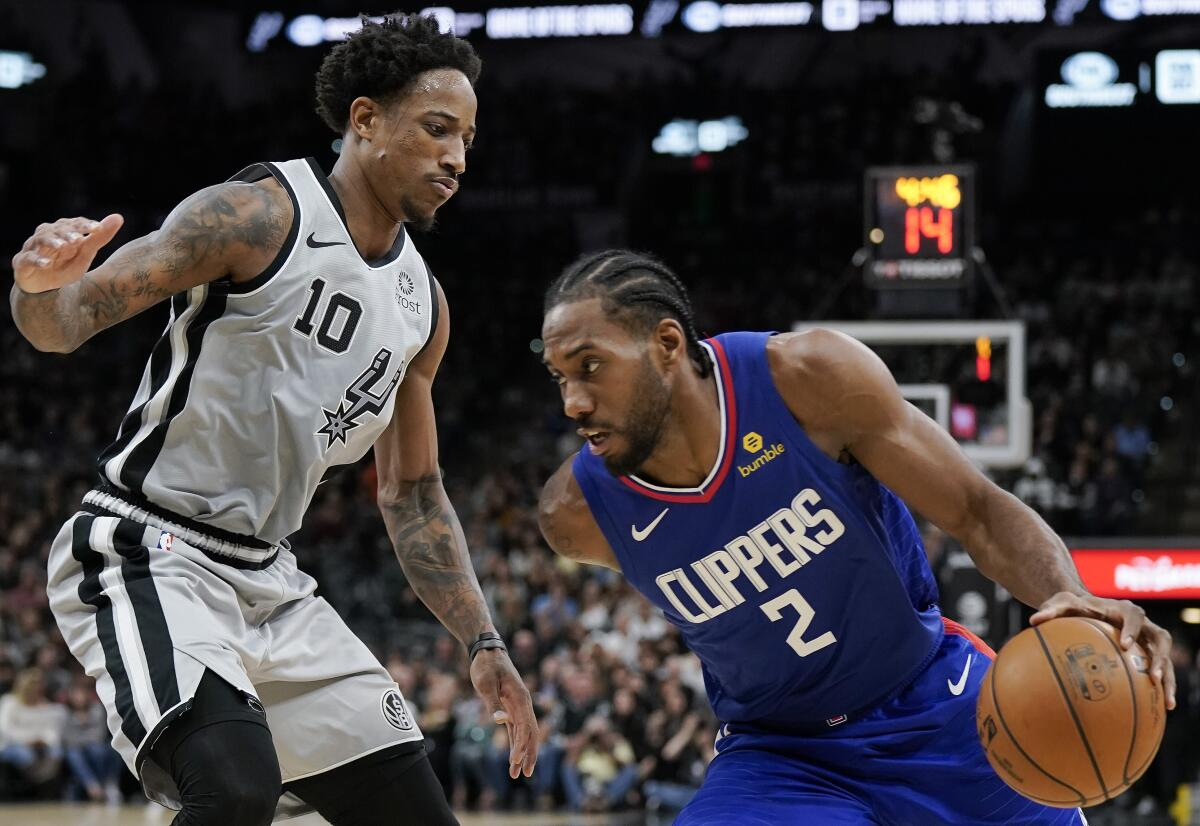
The Clippers, on the other hand, had experienced an inconsistent campaign. Despite flashes of brilliance, particularly from Kawhi Leonard, they struggled to maintain rhythm across stretches. Still, recent improvements and the addition of Darius Garland gave them renewed offensive versatility.
Statistically, the contrast was clear:


- Spurs: elite defense, strong rebounding, and efficient shooting
- Clippers: solid scoring output but inconsistent defensive execution
The betting line reflected this imbalance, with San Antonio entering as a slight favorite (-4.5) and a projected high-scoring total of around 231 points.
The Game Unfolds: Spurs Take Control
The contest ultimately reinforced the narrative surrounding both teams.
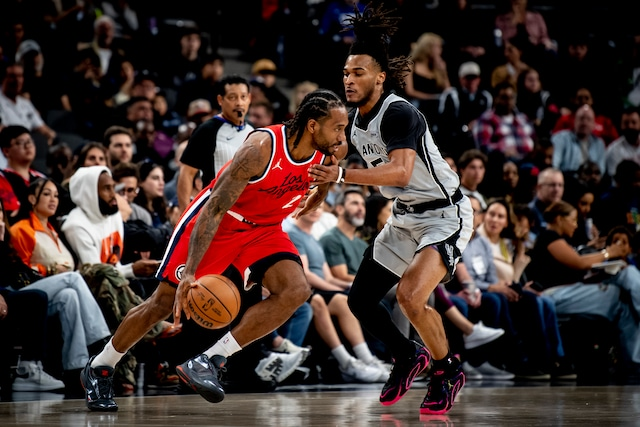
San Antonio delivered a commanding 118–99 victory, asserting control especially in the final quarter.
First Half: Competitive Beginnings
The opening stages were tightly contested. Leonard set the tone early for the Clippers, scoring efficiently and keeping Los Angeles within reach. Meanwhile, the Spurs leaned on balanced contributions from across the roster, including perimeter scoring and ball movement.


By halftime, San Antonio had built a comfortable lead, thanks to:
- Effective defensive pressure
- Strong transition play
- High assist numbers indicating fluid offense
Third Quarter: Clippers Fight Back
The Clippers mounted a push in the third quarter, led again by Leonard. A stronger defensive effort and improved shot-making briefly cut into the Spurs’ lead, reducing a large deficit to single digits.
This stretch exposed one of San Antonio’s few vulnerabilities: occasional offensive stagnation and missed perimeter shots.
Fourth Quarter: Decisive Separation
Any hopes of a Clippers comeback were quickly extinguished in the final period.
San Antonio unleashed a 21–5 run, driven by:
- Stephon Castle’s leadership and playmaking
- Transition scoring from De’Aaron Fox
- Consistent bench production
The Spurs’ defense tightened significantly, holding the Clippers to just 31 points in the second half and effectively closing the game.
Key Performers and Tactical Highlights
Spurs’ Collective Excellence
What stood out most was San Antonio’s depth and adaptability—particularly notable given the absence of Victor Wembanyama in this specific matchup.
Key contributions included:
- De’Aaron Fox: 22 points, 8 rebounds, 5 assists
- Stephon Castle: 20 points, 5 assists, 4 rebounds
- Devin Vassell: 14 points, 10 rebounds
- Dylan Harper: 19 points, 5 assists
- Julian Champagnie: 13 points, 8 rebounds, 4 assists
The Spurs’ ability to distribute scoring across multiple players demonstrated their structural strength as a team.
Clippers’ Reliance on Star Power
For Los Angeles, Kawhi Leonard carried the offensive load:
- 24 points, 6 rebounds, 5 assists
Supporting contributions came from:
- Benedict Mathurin: 18 points
- John Collins: 15 points
- Darius Garland: 11 points
However, the Clippers struggled to maintain offensive consistency beyond Leonard, particularly in the second half.
The Wembanyama Factor
Although absent in this game, Victor Wembanyama remains central to the Spurs’ identity.
He entered the matchup averaging:
- 24.7 points
- 11.5 rebounds
- 3.1 blocks per game
In a prior outing, he had delivered a dominant 41-point performance, reinforcing his MVP candidacy and highlighting his impact on both ends of the floor.
Even without him, San Antonio’s system proved resilient—an indicator of championship-level depth.
Statistical and Strategic Takeaways
Several broader patterns emerged from the matchup:
1. Defensive Superiority Wins Games
San Antonio’s defensive discipline—particularly in the paint and rebounding—neutralized the Clippers’ offensive options.
2. Depth vs. Dependence
The Spurs showcased a multi-layered offense, while the Clippers leaned heavily on Leonard, creating predictability.
3. Momentum Matters
San Antonio extended its dominant run, winning 27 of its last 29 games—a remarkable stretch that positions them as a top contender.
Implications for the Western Conference
This result carries significant implications:
- Spurs: Strengthen their case as one of the top teams in the NBA, with both depth and star power.
- Clippers: Remain in a precarious position, needing consistency to secure a Play-In berth.
If these teams meet again in the postseason, the matchup could hinge on whether the Clippers can diversify their offense and match San Antonio’s defensive intensity.
Looking Ahead
San Antonio’s trajectory suggests a deep playoff run is increasingly likely. Their blend of youth, athleticism, and system-driven basketball makes them difficult to counter.
For Los Angeles, the path forward requires:
- Improved defensive cohesion
- Greater offensive contributions beyond Leonard
- Consistency in closing games
Conclusion: A Statement of Intent
The Spurs’ 118–99 victory over the Clippers was more than just another win—it was a statement. Even without their superstar centerpiece, they demonstrated control, resilience, and tactical clarity.
As the postseason approaches, San Antonio looks every bit like a team built for sustained success, while the Clippers face a narrowing window to stabilize their campaign.