

Inez Weski on Trial: A Defining Test for Law, Ethics, and Organized Crime
A courtroom moment years in the making
The trial of Inez Weski, once regarded as one of the Netherlands’ most formidable defense attorneys, has begun under intense public and legal scrutiny. At 71, Weski now faces allegations that strike at the very foundation of the legal profession: that she crossed the line from defending a client to actively participating in a criminal enterprise.
At the center of the case is her former client, Ridouan Taghi, widely identified as a leading figure in organized crime. Prosecutors argue that Weski facilitated communication within Taghi’s network while he was imprisoned, effectively enabling the continuation of criminal operations from behind bars.
The case is not merely about individual culpability. It has rapidly evolved into a broader examination of legal ethics, confidentiality, and the vulnerability of institutions when confronted with sophisticated criminal networks.
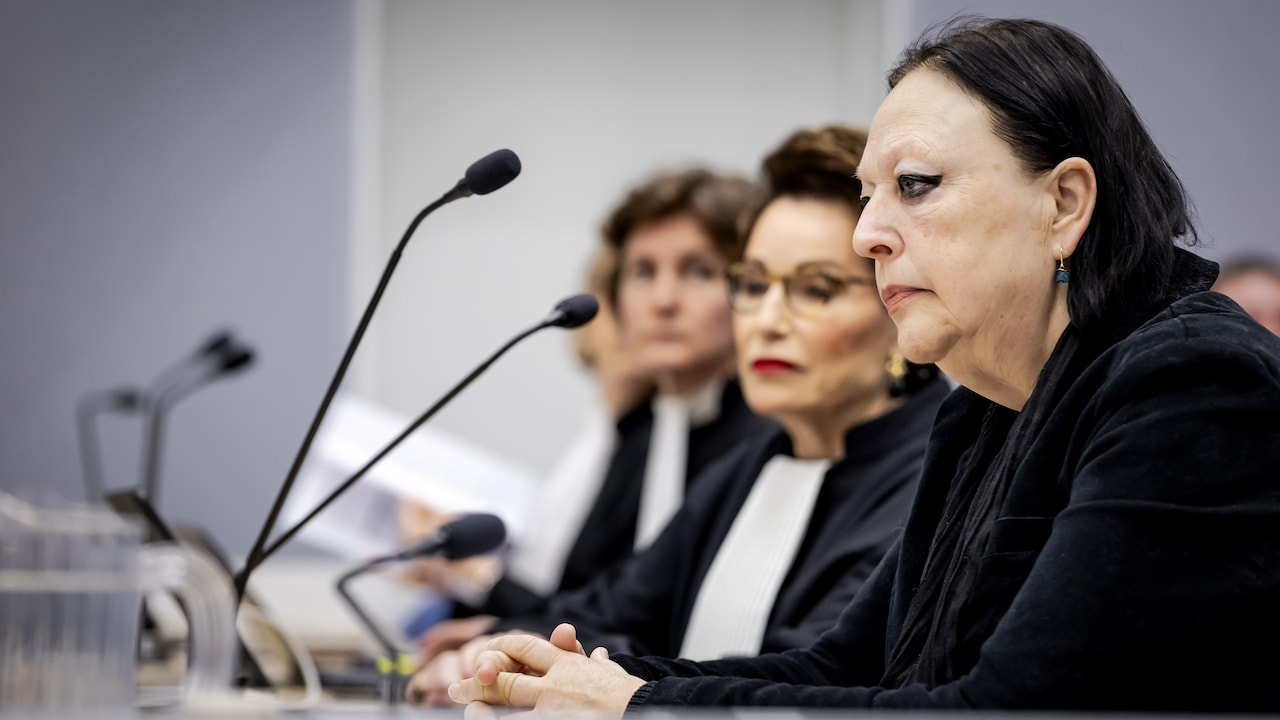
From trusted advocate to criminal suspect
For decades, Weski built a reputation as a high-profile defense lawyer, often representing clients linked to organized crime. Her legal career placed her in close proximity to some of the Netherlands’ most complex and dangerous criminal cases.
However, that proximity now forms the basis of the charges against her.
According to the Public Prosecution Service (OM), Weski allegedly acted as an intermediary between Taghi and his associates while he was held in the Extra Secure Institution in Vught. Prosecutors claim she passed messages that allowed the criminal organization to maintain operational continuity.
Evidence cited includes:
- Approximately 8,000 encrypted messages exchanged with Taghi’s son, Faissal T.
- Use of encrypted communication tools such as PGP phones
- Alleged transfer of instructions related to drug trafficking and money laundering, involving millions of euros
Authorities contend that these communications were not incidental but structured, deliberate, and integral to the organization’s functioning.
The mechanics of the alleged communication network
The prosecution’s case outlines a multi-layered communication system designed to bypass prison restrictions.
The process, as described by investigators, functioned as follows:
- Taghi, incarcerated in Vught, generated instructions
- Weski allegedly received or transmitted these messages
- Faissal T. distributed them across the criminal network
- Communication evolved from encrypted phones to USB-based transfers after law enforcement cracked messaging systems
This structure, prosecutors argue, allowed the organization to continue coordinating international drug trafficking operations, including cocaine and hashish shipments, and managing large financial flows.
One cited example involves communications referencing 21–22 million euros tied to criminal activities .
Weski’s defense: denial and legal constraints
Weski has firmly rejected all accusations. At the start of the hearing, she stated:
“I deny and vehemently refute what I am accused of.”
Her defense is complicated by the professional obligation of confidentiality. As a lawyer, she is bound by strict rules governing attorney-client privilege, limiting what she can publicly disclose.
Her legal team has also highlighted counterpoints:
- Messages suggesting dissatisfaction from Taghi’s family, indicating she was not effectively transmitting communications
- Claims that she acted cautiously and did not facilitate criminal exchanges
- Arguments that her silence is a function of legal duty, not guilt
These elements form the backbone of a defense strategy focused on undermining the prosecution’s interpretation of the evidence.
Detention, controversy, and personal testimony
Weski’s arrest in April 2023 marked a dramatic turning point. She was held in pre-trial detention, including nine days in a secret location in Camp Zeist.
According to prosecutors, this arrangement was necessary for security reasons. Weski, however, has described a starkly different experience.
In her book Het geluid van de stilte, she recounts:
- Alleged illegal detention conditions
- Multiple “near-death experiences”
- Fear for her life due to fragile health
These claims are expected to resurface during the trial, potentially introducing procedural and human rights dimensions into what is already a complex case.
A precedent already set
The case against Weski does not exist in isolation.
Another lawyer connected to Taghi, Youssef T., was previously convicted for similar conduct—relaying messages from Taghi to his criminal organization—and received a 5.5-year prison sentence.
This precedent strengthens the prosecution’s narrative that legal intermediaries can become operational links within criminal networks.
The prosecution’s broader argument: a breach of the rule of law
During proceedings, prosecutors emphasized the systemic implications of the case.
They argue that:
- Lawyers occupy a unique and protected position within the justice system
- Abuse of that position undermines public trust and institutional integrity
- Weski’s alleged actions represent an instance of “the underworld penetrating the upper world”
The case is therefore framed not only as a criminal matter but as a challenge to the resilience of democratic legal structures.
Trial structure and what comes next
The court has scheduled multiple sessions to examine the case in detail.
The immediate timeline includes:
- Initial hearings outlining charges and evidence
- Continued sessions on April 8, 10, and 13
- Subsequent arguments from Weski’s defense team
This phased approach reflects the complexity of the evidence, particularly the large volume of encrypted communications and their interpretation.
A defining case for the legal profession
The trial of Inez Weski has already become one of the most closely watched legal proceedings in the Netherlands in recent years.
Its significance extends beyond the individuals involved:
- It tests the limits of attorney-client privilege
- It raises questions about ethical boundaries in criminal defense
- It highlights the evolving tactics of organized crime in the digital age
Whether the court ultimately finds Weski guilty or not, the case is likely to influence how legal systems manage high-risk defense work and safeguard professional integrity.
Conclusion: more than a verdict
At its core, this trial is about more than determining the guilt or innocence of a single lawyer.
It is a stress test of the legal system itself—examining how it balances confidentiality with accountability, and how it responds when the very professionals entrusted to uphold justice are accused of undermining it.
As proceedings continue, the outcome will shape not only Weski’s legacy but also the future boundaries of legal practice in cases involving organized crime.


