

Indonesia Earthquake 2026: A Sudden Shock Across the Molucca Sea
When the Ground Moved Without Warning
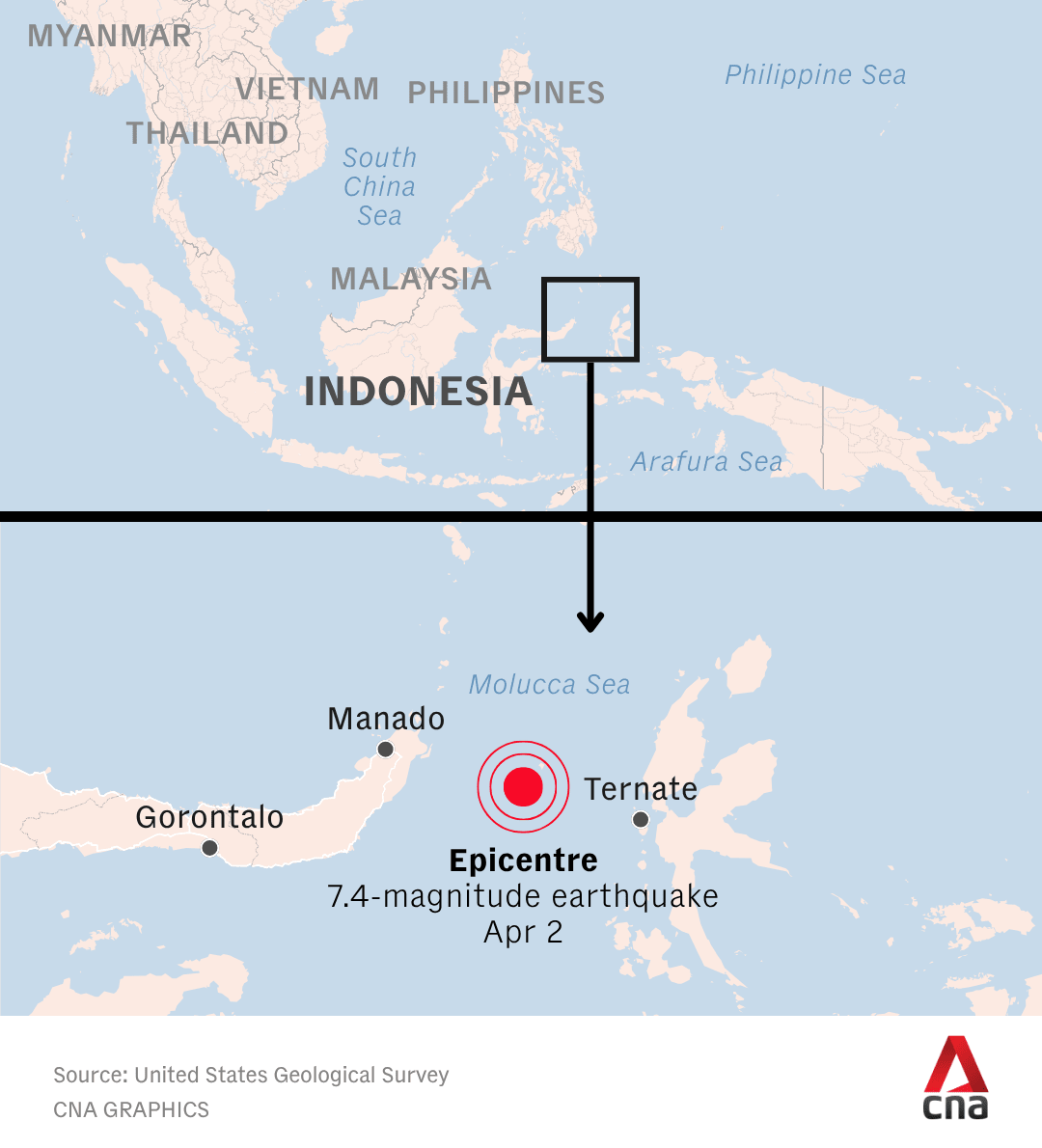
In the early hours of April 2, 2026, a powerful undersea earthquake struck northern Indonesia, sending shockwaves through coastal communities and triggering widespread panic. The quake, measured at magnitude 7.4, originated in the Molucca Sea, a seismically active region between North Sulawesi and North Maluku.
Residents in cities such as Manado, Bitung, and Ternate experienced intense shaking that lasted between 10 and 20 seconds. For many, the moment was abrupt and disorienting.
“We had just woken up and suddenly the earthquake hit… we all ran out of the house,” one resident recalled, describing the urgency and fear that spread within seconds.
The earthquake not only disrupted daily life but also underscored Indonesia’s ongoing vulnerability to seismic hazards.
Immediate Impact: Damage, Casualties, and Panic
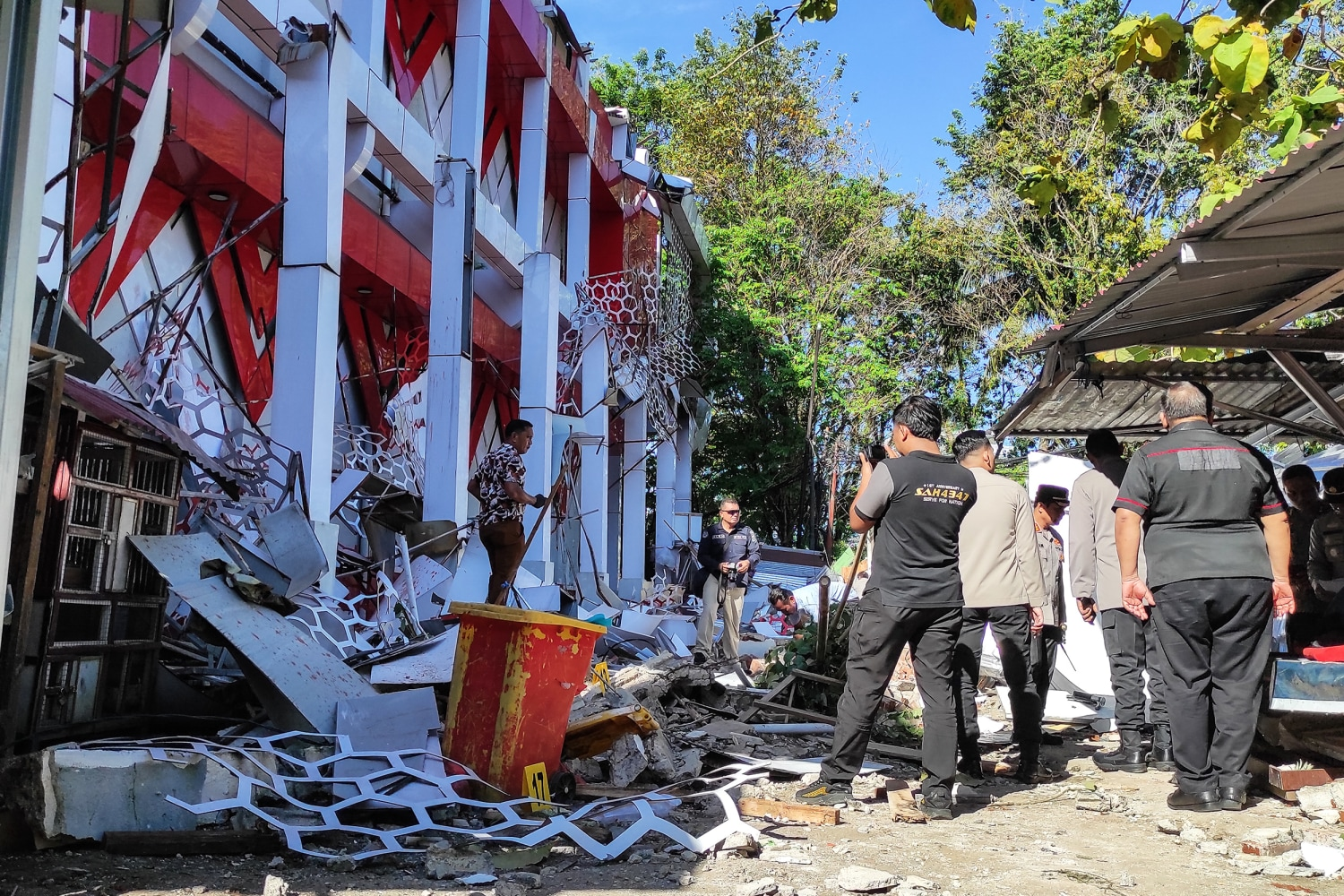
The earthquake’s immediate aftermath revealed a mix of structural damage, injuries, and at least one confirmed fatality. A 70-year-old woman lost her life in Manado after being crushed by collapsing debris, while several others were injured, some seriously enough to require hospitalization.
Across affected regions:
- Buildings sustained light to severe damage, including homes and a church
- Furniture and infrastructure were displaced or destroyed
- Power outages were reported in some areas
- Hospitals were forced to evacuate patients outdoors
Footage from the scene showed flattened houses and bent metallic structures, while residents gathered in open spaces to avoid falling debris.
In Ternate and Bitung, panic spread quickly. Markets, schools, and residential neighborhoods emptied as people rushed outdoors, often leaving belongings behind in the urgency to escape.
Tsunami Threat: Alerts Raised and Lifted
One of the most immediate concerns following the earthquake was the possibility of a tsunami. Monitoring agencies initially issued warnings, estimating potential wave heights between 0.5 and 3 meters.
In reality, the tsunami impact was limited:
- Waves reached up to approximately 0.75 meters in some coastal areas
- Other regions recorded smaller increases between 0.2 and 0.3 meters above normal tide levels
- Alerts were lifted within hours as the threat diminished
Neighboring countries, including the Philippines and Malaysia, monitored the situation closely but confirmed there was no destructive tsunami threat.
While the outcome was less severe than initially feared, the rapid escalation and subsequent de-escalation of warnings highlighted the importance of early detection systems in disaster response.
Aftershocks and Ongoing Risk Assessment
The main quake was followed by a series of aftershocks, including tremors reaching magnitudes above 5. These secondary shocks complicated response efforts and heightened anxiety among residents.
Authorities reported:
- Dozens of aftershocks recorded in the hours following the event
- Continued seismic activity centered beneath the sea
- Ongoing risk of structural collapse in already damaged buildings
Indonesia’s disaster management agency urged the public to remain vigilant, advising people to stay away from compromised structures and follow official guidance until conditions stabilized.
“Although relatively small, this situation still requires vigilance due to the potential for aftershocks,” officials warned.
A Region Defined by Seismic Instability
The 2026 earthquake is part of a broader geological reality: Indonesia sits along the Pacific “Ring of Fire,” one of the most tectonically active zones on Earth.
This region is characterized by:
- Frequent earthquakes due to shifting tectonic plates
- High volcanic activity
- Deep ocean trenches and complex fault systems
Historical data shows that multiple earthquakes of magnitude 7 or higher have occurred within a relatively short distance of this latest event over the past 50 years, though not all have resulted in major damage.
The country’s population—exceeding 280 million—faces recurring exposure to these natural hazards, making preparedness and infrastructure resilience critical national priorities.
Human Stories: Fear, Survival, and Community Response
Beyond statistics and structural damage, the earthquake revealed deeply human moments of fear and resilience.
Residents described:
- Roads visibly shaking beneath their feet
- Children being rushed out of schools near the coast
- Hospitals improvising treatment areas outdoors
- Families reuniting in open spaces amid uncertainty
One witness recalled people leaving their homes in mid-routine, highlighting how quickly normal life was interrupted.
In many cases, community response played a vital role. Neighbors assisted one another, and local authorities coordinated evacuations and initial assessments despite ongoing aftershocks.
Economic and Infrastructure Implications
Preliminary assessments suggest that the economic impact of the earthquake may remain limited, largely due to the offshore epicenter and relatively moderate tsunami effects.
However, localized damage still presents challenges:
- Repair and reconstruction of homes and public buildings
- Temporary disruption to businesses and local markets
- Strain on healthcare and emergency response systems
Even when large-scale economic loss is avoided, such events impose significant costs on affected communities, particularly in remote or less-developed areas.
What Comes Next: Monitoring, Recovery, and Preparedness
In the aftermath of the earthquake, Indonesian authorities continue to gather data from affected regions, particularly remote villages where communication may be limited.
Key priorities include:
- Completing damage and casualty assessments
- Restoring essential services such as electricity and healthcare
- Monitoring aftershocks and seismic activity
- Strengthening early warning and evacuation systems
The event also reinforces a broader trend: the increasing importance of disaster preparedness in high-risk regions.
Investments in infrastructure resilience, public awareness, and real-time monitoring will likely remain central to Indonesia’s long-term strategy.
Conclusion: A Reminder of Nature’s Unpredictable Force
The Indonesia earthquake of April 2026 serves as a stark reminder of the country’s geological realities. While the immediate damage and casualties were relatively limited, the psychological impact and disruption were significant.
From the initial tremors to the lifting of tsunami warnings, the event unfolded rapidly, testing emergency systems and community resilience.
Ultimately, the earthquake highlights a dual narrative: the persistent risk posed by natural forces and the growing capacity of societies to respond, adapt, and recover.


