

Silver Alert Explained: How a Critical Safety System Saves Lives in Real Time
A System Designed for Urgency and Vulnerability
When a Silver Alert is issued, it signals more than a missing person case—it indicates a time-sensitive situation involving a vulnerable individual, often an elderly adult who may be disoriented, suffering from cognitive conditions, or unable to care for themselves safely.
Unlike routine missing person reports, a Silver Alert mobilizes the public alongside law enforcement. It transforms highways, media platforms, and communities into active participants in a coordinated search effort. The underlying premise is straightforward: rapid awareness increases the probability of a safe recovery.
Recent cases highlight how these alerts function in practice. In North Dakota, authorities issued a Silver Alert for 73-year-old Alfred Odden, last seen in Valley City. He was described in detail—height, weight, clothing, and even the exact vehicle he was believed to be driving—to ensure the public could assist effectively.
What Triggers a Silver Alert?
A Silver Alert is typically issued under strict criteria to ensure urgency and relevance. While exact requirements vary by jurisdiction, the common elements include:
- The missing individual is a vulnerable adult, often due to age or medical condition
- There is a credible concern for their safety
- Sufficient descriptive information exists to aid public identification
- Law enforcement determines immediate public assistance is necessary
In the case of Alfred Odden, investigators emphasized that he was a vulnerable adult, which elevated the urgency of the alert and justified broad public dissemination.
Similarly, alerts can be issued for individuals with medical conditions. In Brooklyn, a Silver Alert was activated for 98-year-old Kim Wong, who was reported missing and potentially disoriented, reinforcing the system’s focus on individuals needing urgent assistance.
How the Alert System Works in Practice
A Silver Alert functions as a rapid-response communication network. Once issued, information is broadcast across multiple channels:
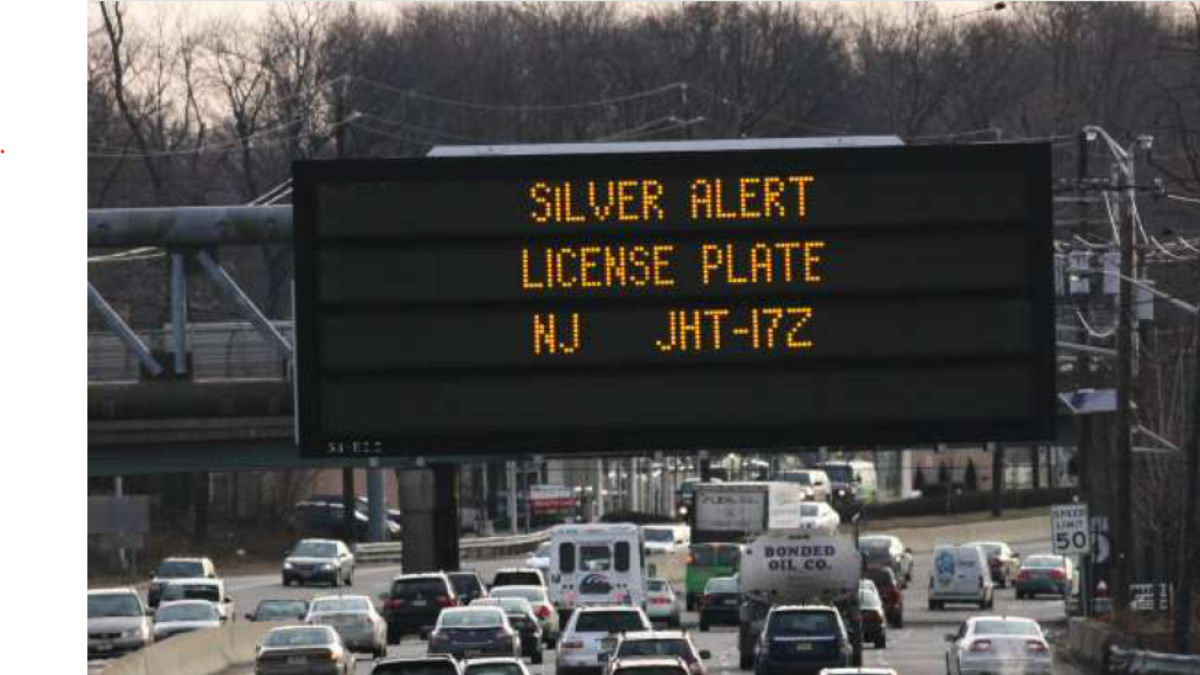
- Electronic highway signs display vehicle descriptions or identifying details
- Television and radio stations interrupt programming with alerts
- Mobile notifications and social media expand reach instantly
- Law enforcement networks coordinate search operations across regions
The goal is to compress response time. Data consistently shows that the first hours after a vulnerable person goes missing are critical. Public awareness during this window can determine the outcome.
In Odden’s case, authorities provided highly specific identifiers—his teal 1994 Ford F-150 with a red topper and license plate details—allowing anyone on the road to become a potential observer.
Community Participation: The System’s Core Strength
Silver Alerts rely heavily on collective vigilance. Unlike traditional investigations that depend solely on police resources, these alerts distribute responsibility across the public.
This approach has measurable advantages:
- Expanded geographic coverage beyond police patrol zones
- Increased likelihood of sightings in public spaces
- Faster information relay back to authorities
In many cases, tips from citizens lead directly to recoveries. The system effectively turns everyday routines—driving, commuting, shopping—into opportunities for detection.
The recovery of 81-year-old Florentino Castillo in Texas demonstrates this dynamic. After a Silver Alert was issued, he was located, and the alert was discontinued, illustrating the system’s intended lifecycle: activation, public engagement, resolution.
Why Silver Alerts Matter More Than Ever
Demographic trends are increasing the relevance of Silver Alerts globally. Aging populations, combined with rising diagnoses of conditions such as dementia and Alzheimer’s disease, have expanded the number of individuals considered vulnerable.
This creates several implications:
- Higher frequency of alerts as populations age
- Greater reliance on technology for rapid dissemination
- Increased need for public awareness and education
The designation of a “vulnerable adult” is not merely administrative—it reflects a heightened risk profile. Individuals may wander, become disoriented, or fail to recognize danger, making timely intervention critical.
The Role of Technology in Modern Alerts
Modern Silver Alert systems are evolving beyond traditional broadcast methods. Increasingly, authorities integrate:
- GPS and vehicle tracking technologies
- Automated license plate recognition systems
- Real-time mobile alert systems
- Social media amplification strategies
These tools enhance precision and reduce reliance on chance sightings. However, the human element remains indispensable—technology supports, but does not replace, public awareness.
Challenges and Limitations
Despite its effectiveness, the Silver Alert system faces operational challenges:
- Alert fatigue if too many notifications are issued
- Information gaps when descriptions are incomplete
- Jurisdictional differences in criteria and implementation
- Privacy considerations when broadcasting personal details
Balancing urgency with accuracy is essential. Overuse or misuse of alerts can reduce public responsiveness, undermining the system’s effectiveness.
A System Built on Time Sensitivity
One consistent finding across cases is the importance of speed. The earlier a Silver Alert is issued, the higher the probability of a successful outcome.
Authorities emphasize that time is the most critical variable—particularly for individuals who may be disoriented or require medical care.
This urgency shapes every aspect of the system, from criteria for activation to the intensity of public messaging.
Conclusion: A Collective Safety Net
Silver Alerts represent a convergence of law enforcement, technology, and community action. They are not merely notifications—they are coordinated responses designed to protect individuals who cannot fully protect themselves.
Cases like Alfred Odden and Kim Wong illustrate both the vulnerability of those at risk and the system’s capacity to respond quickly and effectively. Each alert is a reminder that public awareness is not passive—it is an active component of safety.
As populations age and mobility increases, the importance of systems like Silver Alerts will continue to grow. Their success will depend not only on technological advancements but on sustained public engagement and trust.


