Alexis Bledel’s Tribeca Film Festival Appearance Signals a Quiet but Meaningful Screen Return
Alexis Bledel has never been the kind of star who needs constant visibility to remain culturally present. For many viewers, her work as Rory Gilmore in Gilmore Girls remains fixed in television memory, while her later performance in The Handmaid’s Tale reminded audiences that her quiet screen presence could carry darker, more emotionally complex material. That is why her rare public appearance at the Tribeca Film Festival drew attention beyond the usual red carpet interest.
- A Rare Red Carpet Moment With Real Career Significance
- What Is Ponderosa About?
- Why Bledel’s Role as Sandra Matters
- From Gilmore Girls to Tribeca: The Long Shadow of Rory Gilmore
- The Emmy Reunion That Reintroduced Bledel to Fans
- Tribeca as the Right Stage for a Low-Key Return
- A Story About Family, Class, and Unsettling Attachment
- Why Fans Are Paying Attention
- The Bigger Picture: A Different Kind of Hollywood Presence
- What Comes Next for Ponderosa?
- Conclusion: A Quiet Appearance With Lasting Impact
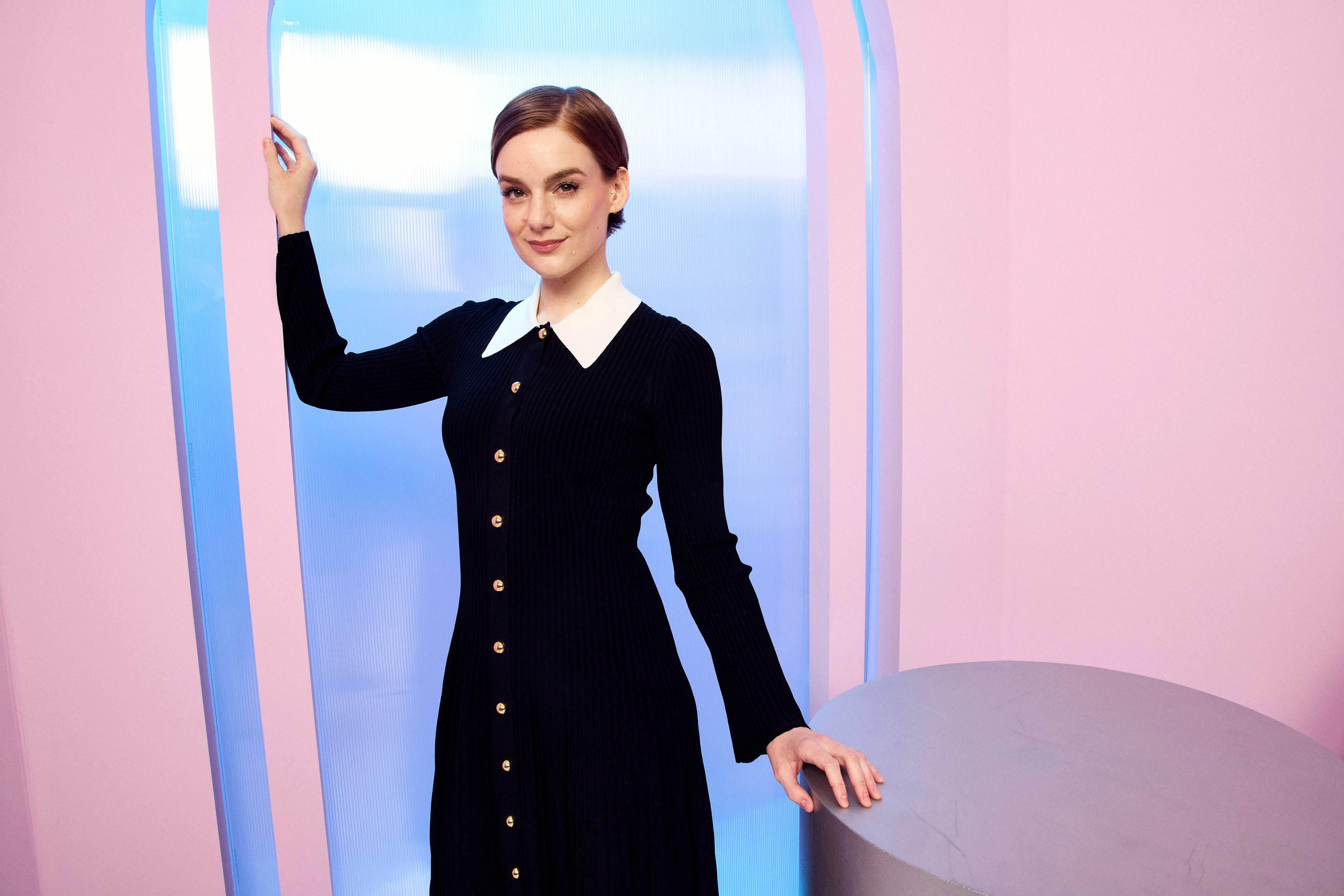
Bledel stepped out in New York City for the world premiere of Ponderosa, a new film directed by Rob Rice and starring Jack Dylan Grazer and Bill Camp alongside Bledel. The appearance was notable not only because she has largely stayed away from the public spotlight in recent years, but also because the project marks her return to film after a long gap.
At 44, Bledel arrived at Tribeca with the kind of understated elegance that has long defined her public image. She wore a butter-yellow top paired with a black skirt, black heels, and a sparkling clutch, with her shoulder-length hair worn down. It was a polished but low-key red carpet moment, fitting for an actress whose career has often balanced major cultural recognition with a preference for privacy.


A Rare Red Carpet Moment With Real Career Significance
Celebrity appearances at film festivals are common, but Bledel’s presence at Tribeca carried particular weight because she has not been a constant fixture on red carpets. In recent years, she has largely avoided the cycle of public appearances, promotional tours, and celebrity visibility that often surrounds actors with long-running fan bases.
Her appearance at the festival came while promoting Ponderosa, described as her first movie since 2019. That detail alone makes the Tribeca premiere more than a fashion or fan-service moment. It places Bledel back in the conversation as a working film actress at a time when many performers are reassessing how much of themselves they want to give to public life.


At the event, Bledel also posed with director Rob Rice and co-star Jack Dylan Grazer in the festival’s official portrait studio. The image of Bledel standing with a new creative team helped frame the moment not as nostalgia, but as a new chapter.
What Is Ponderosa About?
Ponderosa centers on Zeke, played by Jack Dylan Grazer, a young man whose quiet suburban life is disrupted by economic and emotional instability. The official synopsis describes Zeke as someone who “enjoys the peaceful and measured nature of suburban life under the watchful eye of his mom, Sandra (Alexis Bledel).”
That stability begins to collapse when the buffet where Sandra works closes down. The closure brings George, played by Bill Camp, more forcefully into their lives. A wealthy regular at the buffet, George develops an intense interest in Zeke and attempts to create a father-son bond with him.
The story’s emotional tension comes from the unease behind that relationship. George’s attention toward Zeke “swings between touching and tenuous,” and his fixation eventually exposes “a darker portrait of desires and grand plans.”


That premise suggests a film interested in more than a straightforward family drama. The plot touches on class, loneliness, economic vulnerability, parental anxiety, and the danger of emotional need becoming possession. For Bledel, who plays Sandra, the role appears to position her as a mother trying to maintain stability while outside forces threaten the household she has built around her son.
Why Bledel’s Role as Sandra Matters
Bledel’s casting as Sandra is especially interesting because it places her in a maternal role that contrasts with the character that first made her famous. To many viewers, Bledel will always be associated with Rory Gilmore, the bookish daughter at the heart of Gilmore Girls. In Ponderosa, she appears on the other side of that generational relationship, playing the watchful mother of a young man whose life becomes entangled with an unsettling older figure.
That shift matters culturally because audiences often attach actors to the roles they first loved. Bledel’s move from Rory Gilmore to Sandra in Ponderosa reflects the natural evolution of an actress whose career has matured alongside the viewers who grew up watching her.
It also continues a pattern in Bledel’s post-Gilmore Girls career. Her role in The Handmaid’s Tale showed a different side of her screen identity, one marked by trauma, restraint, and emotional intensity. Ponderosa appears to place her in another grounded, psychologically charged story rather than a purely nostalgic project built around her earlier fame.
From Gilmore Girls to Tribeca: The Long Shadow of Rory Gilmore
Bledel became widely known through Gilmore Girls, the comedy-drama that ran for seven seasons from 2000 to 2007. She starred as Rory Gilmore opposite Lauren Graham, who played Lorelai Gilmore. Their mother-daughter dynamic became one of the defining relationships of early-2000s television.
Bledel later reprised the role in the 2016 sequel series Gilmore Girls: A Year in the Life, reuniting with Graham and returning viewers to the fictional world of Stars Hollow. The show’s endurance has helped keep Bledel in public memory even during periods when she was not frequently appearing in new projects.
In a 2016 interview with Glamour, Bledel reflected on meeting Graham at the start of her career. “I was 18, and I just remember Lauren was a real professional actress, and this was my first job,” Bledel recalled. “She had all the poise and confidence and energy of a performer! That was a new thing for me.”
The quote captures the unusual nature of Bledel’s early fame. She entered a major television role at a young age and grew into public recognition through a character who became beloved for her intelligence, ambition, and emotional vulnerability.
The Emmy Reunion That Reintroduced Bledel to Fans
Before her Tribeca appearance, Bledel’s most recent major public appearance came at the Emmy Awards in September, when she reunited with Lauren Graham in honor of the 25th anniversary of Gilmore Girls. The two presented the award for Outstanding Writing for a Comedy Series to the Apple TV show The Studio.
During the appearance, Graham joked, “Twenty-five years ago, a show called Gilmore Girls premiered and apparently took the season of fall hostage.”
Bledel added, “In spite of our autumnal dominance, Gilmore was actually a very small show,” before Graham joked, “Meaning we have no money.”
The exchange leaned into the affectionate mythology surrounding Gilmore Girls: autumn, coffee, small-town charm, quick dialogue, and a fan base that continues to treat the show as seasonal comfort viewing. Yet the Emmy reunion also served as a reminder that Bledel’s public appearances have become relatively rare. When she does appear, it tends to feel intentional.
Tribeca as the Right Stage for a Low-Key Return
The Tribeca Film Festival is an especially fitting place for a project like Ponderosa. Unlike a blockbuster premiere built around commercial spectacle, Tribeca often functions as a platform for independent films, emerging voices, and character-driven storytelling.
For Bledel, the festival setting allows the conversation to remain centered on the work. The premiere at Village East Cinema positioned Ponderosa within a film culture context rather than a celebrity-first environment. That distinction matters for an actress who has often appeared more comfortable letting performances speak louder than publicity.
It also helps that Ponderosa is not being framed simply as a star vehicle. The film brings together Bledel, Grazer, Camp, and Rice around a story with intimate stakes and uneasy emotional terrain. In that sense, Bledel’s Tribeca appearance signals not a flashy comeback, but a careful re-entry into film through material that appears aligned with her quieter artistic profile.
A Story About Family, Class, and Unsettling Attachment
The synopsis of Ponderosa hints at a film shaped by economic pressure. Sandra’s workplace closes, and that loss changes the family’s relationship with George, a rich regular whose presence grows increasingly complicated. The buffet is not just a workplace; it is the narrative trigger that brings instability into Sandra and Zeke’s home life.
This detail gives the film a social dimension. A job loss creates vulnerability. Wealth creates access. George’s attempt to insert himself into Zeke’s life suggests how emotional need, financial imbalance, and loneliness can become dangerous when power is unevenly distributed.
The relationship between George and Zeke is described as both “touching and tenuous,” which suggests ambiguity rather than simple villainy. That kind of tonal complexity may give the film room to explore discomfort without reducing its characters to easy categories.
For Bledel’s Sandra, the stakes appear deeply personal. She is a mother whose son becomes the focus of another man’s fixation. That premise gives her character a protective emotional center while also raising questions about how much control a parent can maintain when economic pressures reshape the family’s world.
Why Fans Are Paying Attention
Bledel’s return to the red carpet resonates because she represents a particular kind of modern celebrity: famous enough to remain widely recognized, but private enough that each public appearance feels meaningful. Her absence from constant publicity has made her appearances feel less manufactured and more eventful.
For longtime fans, the Tribeca moment combines several layers of interest. There is nostalgia for Gilmore Girls, respect for her dramatic work in The Handmaid’s Tale, curiosity about her first movie since 2019, and interest in how she is choosing roles at this stage of her career.
The entertainment industry often rewards constant exposure, but Bledel’s career suggests a different rhythm. She does not need to dominate headlines year-round to generate attention. Her selective visibility has become part of her appeal.
The Bigger Picture: A Different Kind of Hollywood Presence
Bledel’s Tribeca appearance also reflects a broader shift in how audiences understand celebrity careers. More actors are stepping back from traditional Hollywood visibility, choosing privacy, selective work, or projects that align more closely with personal and artistic priorities.
In that context, Bledel’s appearance does not feel like a conventional comeback campaign. It feels more like a reminder that a performer can remain relevant without being constantly available to the public. Her continued cultural presence comes from the durability of her past roles and the care with which she appears to choose new ones.
That restraint may be one reason her appearance generated interest. Audiences are accustomed to overexposure. Bledel’s rarity creates contrast.
What Comes Next for Ponderosa?
The world premiere at Tribeca gives Ponderosa an important first platform. Festival premieres can shape critical conversation, build audience interest, and help determine a film’s next path, whether through theatrical distribution, streaming acquisition, or additional festival screenings.
For now, the significance of the project rests in its introduction: a Rob Rice-directed story starring Jack Dylan Grazer, Alexis Bledel, and Bill Camp, built around family disruption, emotional fixation, and the uneasy bond between a young man and an older outsider.
For Bledel, the film offers a chance to reappear on screen in a role that seems far removed from simple nostalgia. It gives audiences another opportunity to see her in a mature, grounded part that reflects the evolution of her career.
Conclusion: A Quiet Appearance With Lasting Impact
Alexis Bledel’s Tribeca Film Festival appearance was rare, elegant, and professionally significant. While the red carpet images drew immediate attention, the larger story is about an actress returning to film through a project that appears intimate, tense, and character-driven.
Ponderosa places Bledel in a story about motherhood, vulnerability, and the unsettling consequences of economic and emotional disruption. It also allows her to step back into public view on her own terms.
For fans who first knew her as Rory Gilmore, the moment carries nostalgia. For viewers who followed her into darker dramatic work, it signals continued artistic range. And for the film industry, it is a reminder that not every meaningful return has to be loud. Sometimes, a quiet appearance at Tribeca says enough.