



Morris Day Songs: How “Jungle Love,” “The Bird,” and “Jerk Out” Became Funk Classics
Few artists from the Prince universe left a cultural imprint quite like Morris Day and The Time. Blending Minneapolis funk, sharp humor, synchronized style, and irresistible grooves, the group helped define the sound and attitude of 1980s funk-pop. Decades later, Morris Day songs continue to resonate with audiences through films, nostalgia tours, playlists, and viral social media clips.
- The Origins of Morris Day and The Time
- “Jungle Love” — The Song That Defined The Time
- “The Bird” and the Art of the Party Anthem
- “Jerk Out” and the Band’s Reinvention
- Why Morris Day Songs Still Matter
- The Minneapolis Sound and Prince’s Influence
- Songs That Defined an Era
- The Lasting Influence on Modern Music
- Morris Day’s Legacy Beyond the Headlines
- Conclusion
That legacy returned to the spotlight again in May 2026 when Morris Day publicly denied reports that he and The Time would perform at the Freedom 250 “Great American State Fair” in Washington, D.C. The announcement reignited public discussion not only about the artist’s political stance but also about the enduring popularity of songs like “Jungle Love,” “The Bird,” and “Jerk Out.”
As fans reacted online, many were reminded why Morris Day remains one of funk music’s most recognizable entertainers: his music still represents swagger, humor, dance-floor energy, and a uniquely theatrical approach to performance.


The Origins of Morris Day and The Time
Morris Day & The Time emerged in 1981 under the creative direction of Prince. The band became one of the flagship acts associated with the Minneapolis sound — a fusion of funk, rock, new wave, R&B, and synth-driven pop.
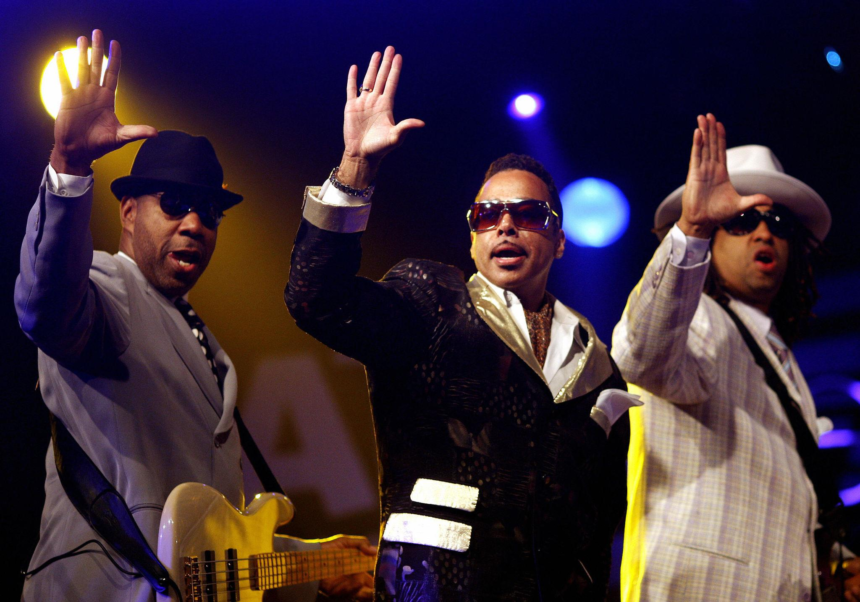
While Prince was deeply involved in songwriting and production during the group’s early years, Morris Day’s charismatic frontman persona gave The Time its identity. Day’s playful arrogance, flashy suits, choreographed routines, and comedic timing turned the group into more than just a band. They became a performance phenomenon.


The group’s mainstream breakthrough accelerated after appearing in Prince’s legendary 1984 film Purple Rain, where Morris Day portrayed Prince’s stylish musical rival.
That exposure transformed several Morris Day songs into pop culture staples.
“Jungle Love” — The Song That Defined The Time
Among all Morris Day songs, none may be more instantly recognizable than “Jungle Love.”
Released in 1984, the track combined funky guitar riffs, call-and-response vocals, and comedic spoken-word moments into a song that perfectly captured the group’s personality. The famous opening exchange — “Oh-we-oh-we-oh” — became iconic.


“Jungle Love” succeeded because it felt larger than life. The song balanced humor and groove without sacrificing musical sophistication. It became a dance-floor anthem and remains one of the defining tracks of the 1980s funk era.
Its popularity was amplified through Purple Rain, where Morris Day and Jerome Benton delivered unforgettable onstage performances that helped cement the song’s cultural status.
Today, “Jungle Love” frequently appears in:
- Retro playlists
- Funk compilations
- Movie soundtracks
- Sports arena music
- Social media nostalgia clips
The song continues to introduce younger audiences to Morris Day decades after its release.
“The Bird” and the Art of the Party Anthem
If “Jungle Love” established The Time’s identity, “The Bird” proved the group could turn pure dance energy into a signature brand.
Released during the height of the band’s popularity, “The Bird” became associated with its dance craze and high-energy live performances. The track featured:
- Heavy funk bass lines
- Explosive horn arrangements
- Repetitive crowd-friendly hooks
- Fast-paced choreography
The song became a staple at parties, concerts, and clubs throughout the 1980s.
What separated Morris Day songs from many other funk records of the era was their theatricality. Songs like “The Bird” were designed not only to be heard but also performed visually. Morris Day’s exaggerated confidence and Jerome Benton’s comic sidekick role gave performances a comedic chemistry that audiences loved.
That entertainment-first approach helped The Time stand apart from more traditional R&B acts.
“Jerk Out” and the Band’s Reinvention
By the late 1980s and early 1990s, musical trends had shifted significantly. Funk bands faced increasing competition from hip-hop, new jack swing, and changing radio formats.
Yet Morris Day and The Time managed to reinvent themselves with “Jerk Out.”
Released in 1990, the song became one of the group’s biggest commercial successes and introduced them to a new generation of listeners.
“Jerk Out” featured:
- Sharper pop production
- Funk grooves adapted for modern radio
- Dance-heavy rhythms
- Cleaner vocal arrangements
The track proved Morris Day songs could evolve while retaining the personality that fans expected.
For many younger fans, “Jerk Out” became their gateway into The Time’s earlier catalog.
Why Morris Day Songs Still Matter
The renewed attention surrounding Morris Day’s withdrawal from the Freedom 250 event highlighted something important: Morris Day remains culturally relevant because his music still carries emotional and nostalgic power.
In May 2026, Freedom 250 organizers announced Morris Day and The Time as performers for the Great American State Fair, a large-scale event tied to America’s upcoming 250th anniversary celebration.
However, Day quickly denied involvement.
“Contrary to rumor, Morris Day and the Time will not be performing at the ‘Great American State Fair,’” he wrote in a social media post. He later added, “It’s a no for me.”
The response from fans was immediate and emotional.
One supporter commented:
“Thank you. I just let out the biggest exhale.”
Another wrote:
“Thank God! I was about to give Morris the side eye.”
The controversy surrounding the event also led other artists to reconsider participation, including Young MC and C+C Music Factory.
Although the discussion centered on politics and public perception, it also reminded audiences of Morris Day’s long-standing influence in American music culture.
The Minneapolis Sound and Prince’s Influence
Any discussion of Morris Day songs inevitably returns to Prince.
Prince founded The Time in 1981 and played a major role in shaping the group’s musical direction. His fingerprints can be heard throughout the band’s early catalog:
- Synth-heavy arrangements
- Funk guitar rhythms
- Layered percussion
- Experimental pop structures
Yet Morris Day transformed those compositions into something uniquely his own.
Where Prince often projected mystery and intensity, Morris Day leaned into humor, charisma, and playful ego. That contrast made The Time an essential counterpart within Prince’s musical world.
Their creative chemistry became one of the most memorable dynamics in 1980s music.
Songs That Defined an Era
Several Morris Day songs remain foundational entries in classic funk and R&B history.
Essential Morris Day and The Time Songs
- “Jungle Love”
- “The Bird”
- “Jerk Out”
- “777-9311”
- “Cool”
- “Gigolos Get Lonely Too”
- “Get It Up”
- “Wild and Loose”
Each track showcased a different side of the group:
- party anthems
- smooth slow jams
- dance records
- comedic funk performances
- polished radio hits
Together, they formed one of the strongest catalogs in 1980s funk music.
The Lasting Influence on Modern Music
Modern artists continue to borrow from the visual style and musical swagger that Morris Day popularized.
Elements commonly traced back to Morris Day and The Time include:
- choreographed stage banter
- humorous masculinity in performance
- retro-funk aesthetics
- flashy synchronized fashion
- audience-participation hooks
The resurgence of funk-inspired pop in recent years has also renewed appreciation for The Time’s catalog.
Streaming platforms and TikTok-style nostalgia trends have helped introduce younger audiences to songs that originally debuted more than 40 years ago.
Morris Day’s Legacy Beyond the Headlines
The recent Freedom 250 controversy may have brought Morris Day back into entertainment headlines, but the lasting story remains his music.
His songs continue to survive because they were built around more than trends. They combined:
- strong musicianship
- memorable hooks
- performance charisma
- visual storytelling
- humor and personality
That formula made Morris Day and The Time one of the most distinctive acts of their era.
Even today, when “Jungle Love” or “The Bird” begins playing, audiences instantly recognize the sound — and often the attitude that comes with it.
Conclusion
Morris Day songs occupy a unique space in American music history. They represent the peak of Minneapolis funk, the theatrical energy of 1980s pop culture, and the enduring influence of Prince’s musical ecosystem.
From “Jungle Love” and “The Bird” to “Jerk Out,” the catalog remains vibrant decades later because it still delivers joy, groove, humor, and unforgettable performance energy.
The recent public attention surrounding Morris Day’s decision to distance himself from the Freedom 250 event only reinforced how deeply audiences still care about both the artist and the music.
For longtime fans and younger listeners discovering the catalog for the first time, Morris Day and The Time remain essential listening in the story of funk music.


