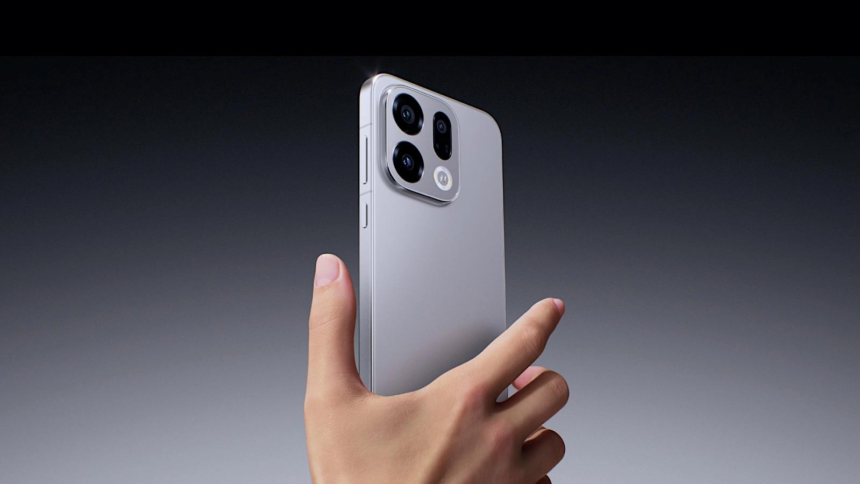
Oppo’s Rumored 100MP Square Selfie Camera Could Change Smartphone Photography
Oppo may be preparing one of the boldest front-camera upgrades seen on a smartphone in years. According to new leaks circulating within the mobile industry, the company is reportedly testing a 100MP front-facing camera built around a unique 1:1 square sensor — a design that could fundamentally change how selfies and front-camera videos are captured on smartphones.
- Why a Square Selfie Sensor Matters
- The Push Toward Creator-Centric Smartphones
- Oppo’s Long History of Camera Experimentation
- Could the Find X10 Series Debut the Technology?
- The Technical Challenge Behind a 100MP Front Camera
- Android Manufacturers Continue Chasing Camera Differentiation
- Still Just a Leak — for Now
- The Bigger Picture
The rumor arrives at a time when smartphone brands are aggressively competing on camera innovation, particularly in areas tied to social media, mobile content creation, and AI-assisted photography. If the leak proves accurate, Oppo’s upcoming Find X10 series could become the first Android lineup to push square selfie sensors into the mainstream with ultra-high resolution imaging.
The development follows earlier reports from February suggesting that both Oppo and Huawei were exploring square front-facing camera sensors inspired by Apple’s implementation on the iPhone 17 lineup.
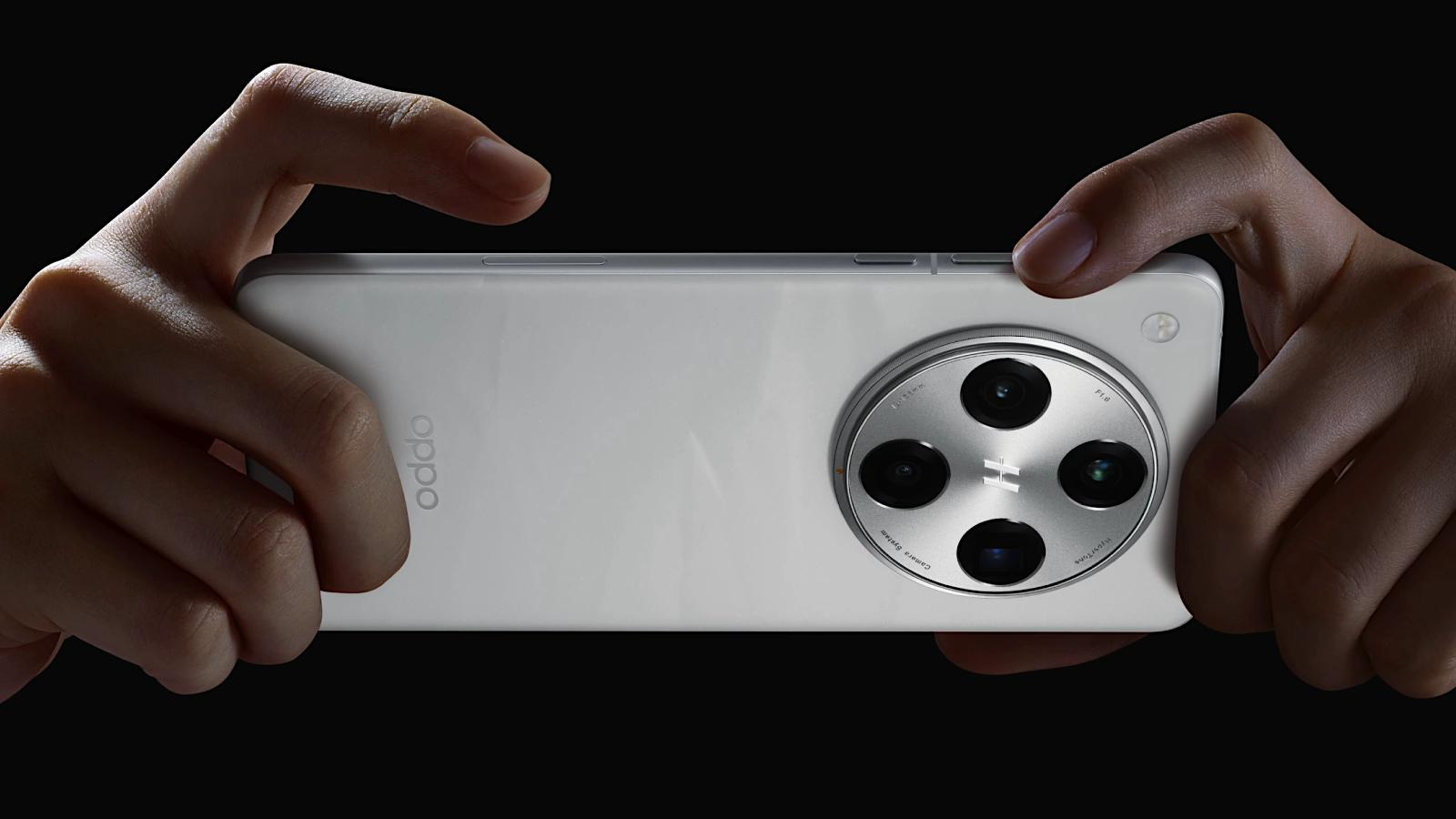


Why a Square Selfie Sensor Matters
Traditional smartphone selfie cameras use rectangular sensors optimized for portrait-oriented photography. That design works well for standard selfies but becomes less flexible when users switch between portrait and landscape video recording.
A 1:1 square sensor changes that equation.


Because the sensor captures a perfectly symmetrical frame, users can shoot content vertically or horizontally without physically rotating the device. This is particularly useful for creators producing content across multiple platforms where aspect ratios constantly vary.
Apple introduced a similar concept with the iPhone 17 series using its 18MP “Center Stage” selfie camera. The feature allows automatic framing and orientation adjustments while maintaining subject positioning in the shot.
Oppo’s rumored implementation, however, may go significantly further.
According to leaks, the company is testing a massive 100MP front-facing sensor — far exceeding Apple’s 18MP solution. Reports claim the technology is “more advanced” than Apple’s approach, though no technical details have yet been confirmed.


The Push Toward Creator-Centric Smartphones
The timing of the rumor is notable.
Modern smartphones are increasingly designed around content creators, livestreamers, vloggers, and social media users. Vertical video dominates TikTok, Instagram Reels, and YouTube Shorts, while landscape video remains essential for traditional YouTube content and professional editing workflows.
A square selfie sensor could reduce one of the most common frustrations creators face: reframing footage for multiple platforms.
Current front cameras often require cropping when switching aspect ratios, which reduces usable resolution and image quality. A native square sensor preserves more frame information, giving users greater flexibility in editing.
One reader commenting on the leak noted:
“You lost a lot of photo/video area when cropping it though.”
Another pointed out that the technology especially benefits influencers and vloggers who frequently switch between portrait and landscape formats.
That feedback highlights exactly why manufacturers are now experimenting with unconventional sensor shapes.
Oppo’s Long History of Camera Experimentation
For Oppo, this would not be the company’s first attempt to rethink smartphone photography.
The Find series has historically served as Oppo’s experimental platform for advanced imaging and unconventional hardware concepts.
The original Oppo Find X became famous for its motorized pop-up camera system and nearly bezel-free design. Later Find-series devices expanded into AI imaging, periscope zoom systems, computational photography, and Hasselblad partnerships.
In recent years, Oppo has heavily emphasized imaging innovation across its flagship lineup. The Find X8 and Find X9 series introduced AI-powered zoom tools, advanced telephoto systems, and computational image processing improvements.
The company has also experimented with creator-focused photography modes, including cinematic panoramic shooting and AI image enhancement systems.
This broader strategy makes the rumored 100MP square selfie camera feel less like an isolated experiment and more like a continuation of Oppo’s imaging-first philosophy.
Could the Find X10 Series Debut the Technology?
Leaks suggest the upcoming Oppo Find X10 lineup could become the first device family to feature the new camera system.
The Find X10 series is reportedly expected to debut in October, although Oppo has not officially confirmed specifications or launch details.
Rumors surrounding the Find X10 lineup already point toward aggressive camera upgrades, including advanced sensor technology and next-generation computational photography features. Some reports even suggest Oppo may combine the square selfie sensor with ultra-high-resolution rear cameras.
If true, the Find X10 series could position itself as one of the most creator-focused Android flagships of 2026.
The Technical Challenge Behind a 100MP Front Camera
While the idea sounds impressive on paper, implementing a 100MP selfie sensor presents significant technical challenges.
High-megapixel sensors produce extremely large image files and require substantial processing power. Front-facing cameras also operate within tighter physical constraints because of display cutouts, under-display modules, or punch-hole designs.
A square sensor introduces additional engineering complications involving sensor alignment, cropping algorithms, autofocus systems, and software optimization.
Image quality will depend heavily on Oppo’s computational photography pipeline rather than megapixel count alone.
A 100MP sensor can theoretically capture more detail and improve cropping flexibility, but actual results depend on sensor size, pixel binning, low-light performance, and software tuning.
That is why industry observers remain cautious despite the excitement surrounding the rumor.
Android Manufacturers Continue Chasing Camera Differentiation
The smartphone industry has reached a point where performance differences between flagship devices are becoming increasingly narrow. Camera systems are now one of the few areas where brands can meaningfully differentiate themselves.
Chinese manufacturers in particular have accelerated experimentation.
Oppo, Xiaomi, vivo, and Huawei have all pushed aggressively into advanced imaging technologies ranging from variable apertures and giant sensors to detachable lenses and AI-powered image processing.
The race is no longer just about megapixels.
It is about flexibility, creator workflows, computational photography, and platform-native content production.
A square selfie sensor aligns directly with those goals.
Still Just a Leak — for Now
Despite growing excitement online, it is important to remember that the 100MP square selfie camera remains unconfirmed.
The information currently comes from leaks and tipster reports rather than official announcements. Smartphone companies frequently test experimental technologies internally without ever bringing them to commercial devices.
Still, multiple reports referencing Oppo’s interest in square selfie sensors suggest the company is seriously exploring the concept.
And if Oppo successfully commercializes the technology, it could influence the next phase of smartphone camera design across the Android market.
The Bigger Picture
The rumored Oppo 100MP 1:1 selfie camera represents more than another megapixel upgrade.
It reflects how smartphone cameras are evolving around modern digital behavior. People no longer use phones solely for snapshots; they use them as production studios for livestreams, social media content, vlogs, video calls, and creator businesses.
A flexible square sensor may sound niche today, but so did ultra-wide cameras, periscope zoom lenses, and computational night photography before they became mainstream.
If Oppo delivers on the rumor, the Find X10 series may become one of the most interesting smartphone camera launches of the year.
And in a market where true innovation has become harder to find, that alone would be a significant achievement.