Samsung’s Refurbished Smartphone Push Arrives in India — But Is the Deal Worth It?
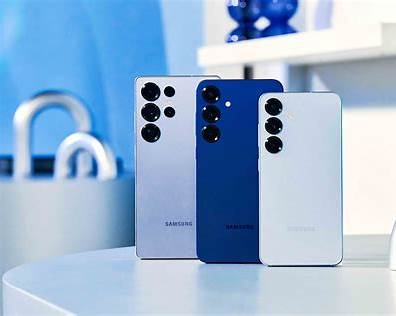
Samsung has officially entered India’s growing refurbished smartphone market with the launch of its “Certified Re-Newed” program, giving consumers access to company-certified Galaxy smartphones at reduced prices. The initiative marks a significant expansion of Samsung’s refurbishment strategy, which has already been operating in markets such as the United States and South Korea.
- Samsung’s Certified Re-Newed Program Explained
- Which Refurbished Samsung Phones Are Available?
- Why Samsung Is Expanding Refurbished Sales
- The Biggest Question: Are the Prices Competitive?
- Consumer Concerns Around Refurbished Phones
- Samsung’s Broader Strategy in India
- The Refurbished Smartphone Market Is Becoming Mainstream
- Final Thoughts
The move comes at a time when premium smartphone prices continue to climb, driven partly by ongoing component and memory chip shortages. For many buyers, flagship devices are increasingly difficult to afford outright, creating a larger market for refurbished alternatives that still offer warranty protection and official support.
With the launch, Samsung is positioning itself not only as a smartphone manufacturer, but also as a long-term lifecycle manager for its devices — a strategy that reflects broader industry trends toward sustainability, extended software support, and circular electronics.
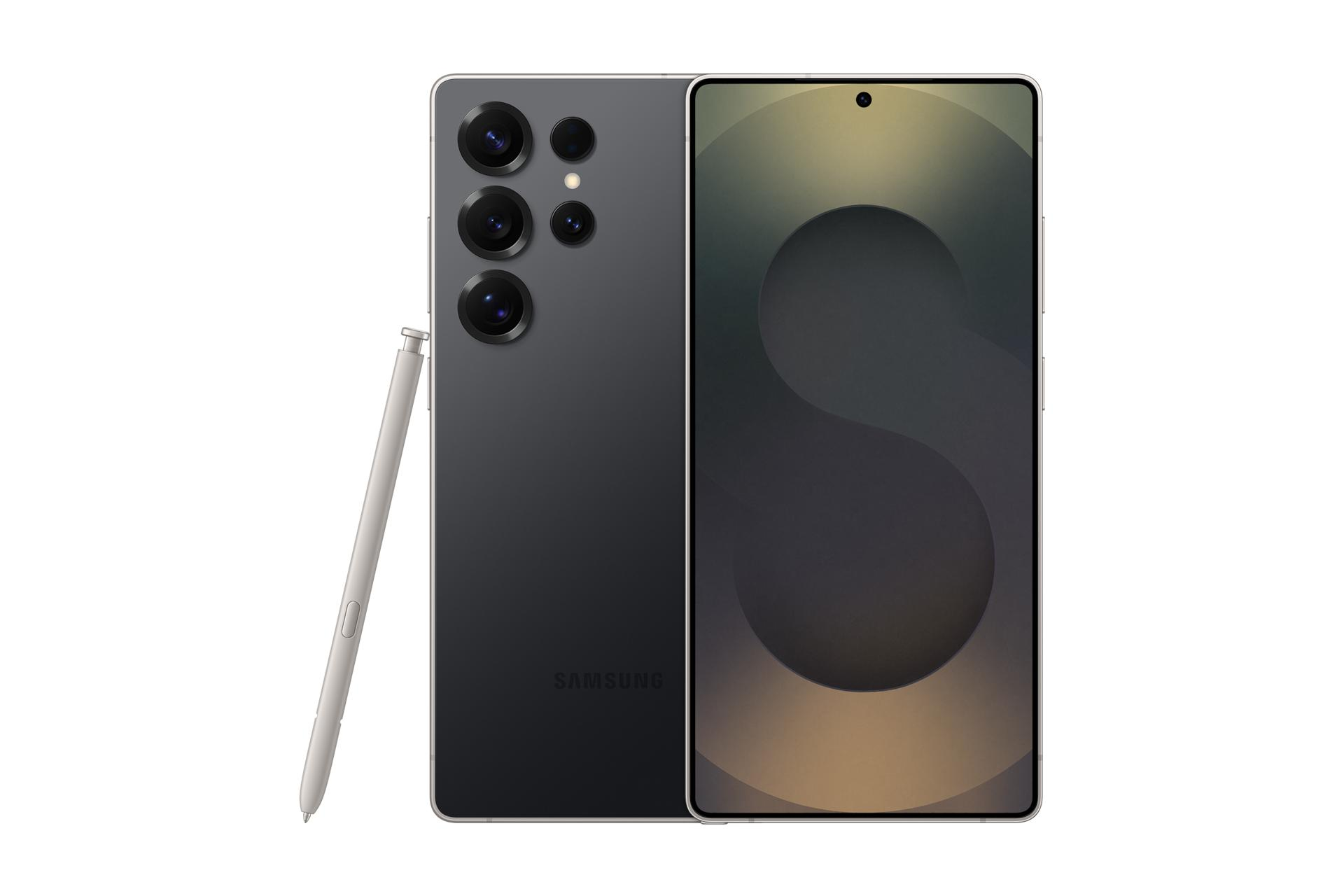


Samsung’s Certified Re-Newed Program Explained
Under the newly introduced program, Samsung sells officially refurbished Galaxy smartphones that have undergone inspection, testing, cleaning, and restoration inside Samsung-approved facilities.
According to the company, every Certified Re-Newed device is:


- “rigorously cleaned, tested, and restored to like-new condition”
- repaired only with genuine Samsung parts if replacements are required
- updated with the latest available software
- factory reset to remove all previous user data
- tested extensively for hardware and functionality issues
Samsung says the refurbishment process is handled by Samsung-approved technicians, distinguishing the program from third-party refurbishers and local resale markets.
The phones are shipped in official packaging and include accessories such as:
- a USB data cable
- SIM ejector pin
- quick-start guide
Importantly, Samsung is offering the same one-year warranty provided with brand-new Galaxy smartphones, a major selling point for consumers hesitant about refurbished devices.
The devices are unlocked and compatible with all networks in India.


Which Refurbished Samsung Phones Are Available?
Samsung has launched the program with a mix of flagship and upper mid-range devices. Current listings include Galaxy S-series premium models alongside more affordable A-series smartphones.
Certified Re-Newed Galaxy Phones in India
| Device | Configuration | Refurbished Price |
|---|---|---|
| Galaxy S25 Ultra | 256GB | INR 97,499 |
| Galaxy S25 | 256GB | INR 58,749 |
| Galaxy A56 5G | 8GB + 256GB | INR 31,499 |
| Galaxy A56 5G | 12GB + 256GB | INR 32,749 |
| Galaxy A36 5G | 128GB | INR 23,249 |
| Galaxy A36 5G | 256GB | INR 24,499 |
Samsung says these devices will continue receiving the same software updates as standard retail units, an important factor given the company’s recent commitment to longer Android support cycles.
Why Samsung Is Expanding Refurbished Sales
Samsung’s expansion into India’s refurbished market reflects several major industry shifts happening simultaneously.
1. Rising Smartphone Prices
Premium smartphones have become dramatically more expensive in recent years. Devices such as the Galaxy S25 Ultra now compete in ultra-premium price ranges, making refurbished models attractive to buyers seeking flagship features at lower costs.
Samsung itself acknowledged that higher smartphone prices — influenced partly by memory chip shortages — are reshaping buyer behavior.
2. Longer Software Support Makes Refurbishment More Viable
Modern Galaxy devices now receive years of Android and security updates. Samsung’s flagship S-series models are eligible for up to seven years of OS upgrades, while many A-series devices receive six years of support.
That longer lifespan changes the economics of used phones. A refurbished Galaxy device purchased today may still receive software updates for several more years, increasing its long-term value.
3. Sustainability and E-Waste Reduction
The refurbished smartphone market is increasingly tied to environmental concerns.
By restoring and reselling older devices instead of discarding them, Samsung can extend product lifecycles and reduce electronic waste. The company’s approach aligns with broader sustainability trends across the consumer electronics industry, where manufacturers are under pressure to reduce waste and improve device recyclability.
Industry observers note that certified refurbishment programs also help manufacturers maintain tighter control over repair quality and customer experience.
The Biggest Question: Are the Prices Competitive?
While Samsung’s Certified Re-Newed program offers official support and warranty coverage, early reactions suggest pricing could become the program’s biggest challenge.
Several reports pointed out that refurbished Samsung phones are currently priced very close to brand-new units sold through major Indian retailers such as Amazon and Flipkart.
For example:
- The refurbished Galaxy S25 Ultra is listed at INR 97,499
- Some new retail listings reportedly hover near INR 99,999 during promotions
This narrows the savings gap considerably.
In practical terms, buyers may question whether saving a relatively small amount is worth purchasing a refurbished device instead of a factory-new phone.
The issue becomes even more complicated in India’s highly competitive smartphone market, where:
- online marketplaces frequently run aggressive discounts
- offline retailers negotiate flexible pricing
- exchange offers reduce effective purchase costs
- EMI financing makes new devices easier to afford
As a result, Samsung’s refurbishment program may appeal most strongly to buyers who prioritize:
- official certification
- manufacturer-backed warranty
- verified genuine parts
- trusted refurbishment standards
rather than simply seeking the lowest possible price.
Consumer Concerns Around Refurbished Phones
The launch has also sparked broader discussions about refurbished device expectations.
Some consumers have raised questions about battery replacements, noting that Samsung has not explicitly stated whether every refurbished phone receives a new battery.
Others argue that refurbished devices must offer steeper discounts to justify shorter remaining hardware lifespans and reduced software support windows compared to newly launched models.
These concerns are common across the refurbished electronics industry and reflect how buyers increasingly evaluate:
- battery health
- long-term durability
- resale value
- update longevity
- repair history
before purchasing second-hand or refurbished technology products.
Samsung’s Broader Strategy in India
The Certified Re-Newed launch appears to complement Samsung’s broader affordability strategy in India.
Earlier this year, the company introduced the “Galaxy Forever” plan, allowing customers to purchase flagship smartphones through structured payment programs and buyback options.
Together, the two initiatives suggest Samsung is trying to expand access to premium Galaxy devices without directly lowering flagship launch prices.
This strategy could help Samsung:
- retain customers within the Galaxy ecosystem
- attract budget-conscious buyers
- increase device lifecycle revenue
- strengthen sustainability messaging
- compete more aggressively in India’s value-focused market
India remains one of the world’s most important smartphone markets, making affordability programs increasingly critical for premium manufacturers.
The Refurbished Smartphone Market Is Becoming Mainstream
Samsung’s move also signals how refurbished electronics are becoming more normalized globally.
What was once considered a niche market dominated by local resellers is increasingly shifting toward manufacturer-certified ecosystems. Companies like Apple and Samsung now see official refurbishment programs as extensions of their primary businesses rather than secondary operations.
For consumers, this shift brings several advantages:
- verified repair standards
- authentic replacement parts
- warranty protection
- official software support
- safer purchasing channels
At the same time, it creates a new competitive battleground between:
- manufacturers
- e-commerce platforms
- third-party refurbishers
- local resale networks
The success of Samsung’s program in India will likely depend on how aggressively the company adjusts pricing and expands device availability in the months ahead.
Final Thoughts
Samsung’s Certified Re-Newed launch in India marks an important step in the evolution of the country’s smartphone market. By officially entering the refurbished segment, Samsung is acknowledging a growing reality: many consumers still want flagship experiences, but increasingly need more affordable ways to access them.
The program offers clear advantages through official refurbishment standards, genuine parts, software support, and a one-year warranty. However, pricing remains the key question. If refurbished Galaxy phones are too close in cost to brand-new retail units, convincing buyers may prove difficult.
Still, the initiative reflects larger changes in the global smartphone industry — longer device lifespans, sustainability priorities, and a shift toward circular consumer technology models.
For Indian consumers, officially refurbished smartphones may soon become a mainstream alternative rather than a compromise.