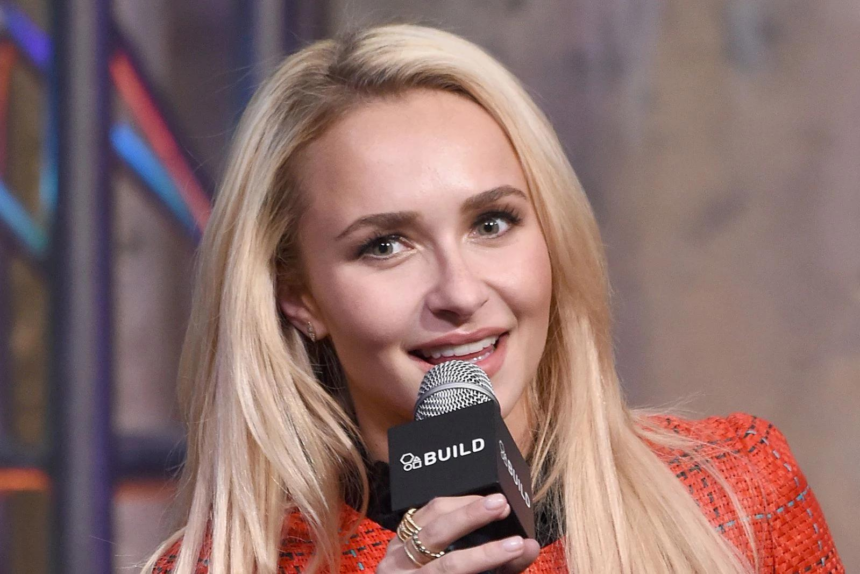
Hayden Panettiere News: Actress Opens Up About Trauma, Motherhood, and Reclaiming Her Voice
Hayden Panettiere is once again at the center of Hollywood conversation, but this time the spotlight is focused less on red carpets and more on deeply personal revelations that are reshaping public understanding of her life and career.
- A Painful Hollywood Memory Resurfaces
- The Emotional Weight of Betrayal
- Revisiting the Custody Decision That Sparked Public Criticism
- A Mother-Daughter Relationship Built Across Distance
- Public Discussions Around Mental Health and Addiction
- A New Chapter With This Is Me: A Reckoning
- Speaking Publicly About Sexuality
- Why Hayden Panettiere’s Story Is Resonating Now
- The Road Ahead
The Heroes and Nashville actress has spent years navigating fame, addiction, mental health struggles, and intense public scrutiny. Now, ahead of the release of her memoir This Is Me: A Reckoning, Panettiere is speaking candidly about some of the most painful experiences of her life — from an alleged traumatic encounter with a “very famous” man when she was 18 to the emotional toll of giving up custody of her daughter during a difficult period of addiction and postpartum depression.
Her recent appearance on Jay Shetty’s On Purpose podcast has ignited widespread discussion online, with fans and commentators praising her vulnerability while revisiting the pressures faced by young women in Hollywood.


A Painful Hollywood Memory Resurfaces
One of the most talked-about moments from Panettiere’s podcast interview involved a disturbing experience she says occurred when she was only 18 years old.
According to the actress, the incident happened during a boat party attended by friends and entertainment industry figures. Panettiere described being led downstairs by someone she trusted deeply — a person she considered a protector. Once inside a small room, she alleged that this friend physically placed her into a bed beside an “undressed” and “very famous” older man.


“She physically put me in the bed next to this undressed man who was very famous,” Panettiere said during the interview.
The actress recalled immediately sensing danger and reacting instinctively.
“I was like, ‘This is not happening,’” she explained, describing how she fled the room and hid elsewhere on the boat.
Panettiere did not identify either the man or the friend involved. However, she emphasized the emotional betrayal she experienced after realizing the people around her appeared unfazed by the situation.


“There was nobody who was going to be empathetic to my situation,” she said, adding that she eventually realized “this was nothing new to them.”
The revelation has triggered renewed debate about longstanding power dynamics within the entertainment industry, particularly regarding the experiences of young actresses navigating celebrity culture at a vulnerable age.
The Emotional Weight of Betrayal
Beyond the shocking details of the alleged incident, Panettiere focused heavily on the emotional impact of betrayal.
The actress explained that after experiencing repeated disappointments throughout her life, she had clung tightly to relationships she believed were trustworthy. That made the alleged betrayal by a friend especially devastating.
“When you really find somebody that you trust, you hold on to them for dear life,” Panettiere said. “So to be betrayed like that is just an awful feeling.”
Her comments have resonated strongly with audiences because they extend beyond celebrity gossip and speak to broader conversations about trust, manipulation, and survival in environments shaped by power imbalances.
Revisiting the Custody Decision That Sparked Public Criticism
Another major topic dominating recent Hayden Panettiere news involves her daughter, Kaya, and the years of public criticism the actress endured after relinquishing custody to her former fiancé, heavyweight boxing champion Wladimir Klitschko.
Panettiere directly addressed accusations that she had “abandoned” her daughter — a claim she firmly rejected.
“The idea that anybody would think that I would just give away my child and be OK with it is heartbreaking,” she said during the podcast conversation.
The actress explained that her decision came during an extremely difficult chapter of her life marked by postpartum depression, alcoholism, anxiety, and substance abuse struggles. She stated that allowing Kaya to live in Europe with Klitschko provided stability for her daughter while she sought treatment and attempted to rebuild her health and sobriety.
Panettiere emphasized that she voluntarily pursued treatment, pushing back against misconceptions that she had been forced into rehabilitation.
“The misconception is that I have been in the past forced into treatment when, in fact, I have been the one who sought it out,” she explained.
A Mother-Daughter Relationship Built Across Distance
Despite years of separation, Panettiere says she remains closely connected to Kaya.
The actress described maintaining frequent contact through FaceTime calls and regular visits to Europe. She also spoke proudly about her daughter’s development, revealing that Kaya now speaks five languages and enjoys horseback riding.
“She’s an incredible little girl,” Panettiere said. “She’s got two parents that love her and I know in my heart that she feels supported.”
According to Panettiere, one of her biggest priorities has been ensuring her daughter never felt emotionally abandoned despite the physical distance between them.
“She in no way feels abandoned,” the actress stated.
Her comments have contributed to a wider conversation about addiction recovery, mental health treatment, and the difficult decisions parents sometimes make to protect their children during periods of instability.
Public Discussions Around Mental Health and Addiction
Panettiere’s openness arrives during a period when conversations surrounding mental health in Hollywood have become more prominent and less stigmatized than in previous decades.
The actress has previously discussed postpartum depression publicly, but her latest comments provide one of the clearest pictures yet of the severity of her struggles during those years.
She described being trapped in what she called a “horrible cycle” involving depression, anxiety, alcoholism, and substance abuse.
Rather than framing recovery as a dramatic overnight transformation, Panettiere’s interview portrayed sobriety as a long and deeply personal process — one involving difficult sacrifices, public misunderstanding, and ongoing emotional work.
That honesty has become one reason many fans say her story resonates so strongly.
A New Chapter With This Is Me: A Reckoning
Much of the recent attention surrounding Hayden Panettiere stems from anticipation surrounding her upcoming memoir, This Is Me: A Reckoning, which is expected to be released in Australia on May 19.
The book appears poised to offer a more complete account of the actress’s life beyond her public image as a child star and television celebrity.
Panettiere has indicated that the memoir explores:
- addiction and recovery
- postpartum depression
- motherhood
- fame at a young age
- emotional trauma
- identity and sexuality
- personal relationships
- survival in Hollywood
The memoir’s title itself suggests an attempt at confrontation and self-definition after years spent under public scrutiny.
Speaking Publicly About Sexuality
In another revelation attracting headlines, Panettiere recently discussed her bisexuality and the pressures she felt earlier in her career to suppress aspects of her identity.
“I was not encouraged to just be myself,” she said, reflecting on the entertainment industry environment she experienced as a young actress.
She also noted that during a certain era, women publicly identifying as bisexual were often dismissed as following a “fad,” which contributed to her hesitation about speaking openly.
The comments add another layer to Panettiere’s broader narrative about identity, control, and personal freedom within celebrity culture.
Why Hayden Panettiere’s Story Is Resonating Now
The current wave of Hayden Panettiere news reflects more than celebrity curiosity. It intersects with several major cultural conversations happening simultaneously:
The legacy of young Hollywood culture
Panettiere’s allegations about coercive situations involving powerful men echo ongoing industry reckonings that intensified after the #MeToo movement.
Mental health transparency
Audiences have become increasingly receptive to honest discussions about depression, addiction, trauma, and recovery.
Redefining motherhood narratives
Her custody decisions challenge simplistic public assumptions about parenting, sacrifice, and recovery.
Celebrity authenticity
In an era dominated by curated social media personas, deeply personal interviews often attract strong public engagement because they feel emotionally genuine.
The Road Ahead
For years, Hayden Panettiere’s public image fluctuated between beloved television star, troubled celebrity, and tabloid subject. Her recent interviews suggest she is now attempting to reclaim her own narrative on her own terms.
Whether discussing trauma, motherhood, addiction, or identity, the actress appears determined to move beyond speculation and tell her story directly.
As This Is Me: A Reckoning approaches release, public interest surrounding Panettiere continues to grow — not simply because of shocking revelations, but because of the vulnerability behind them.
For many fans, this moment feels less like a comeback and more like a reintroduction: a former child star confronting painful chapters publicly while trying to define who she is beyond Hollywood headlines.