
Stephen Colbert’s Last Show: The End of a Late-Night Era on CBS
Stephen Colbert’s last show is no longer just a television date. It has become a cultural marker: the closing chapter of The Late Show franchise, the end of CBS’s 33-year late-night run, and a farewell to one of the most recognizable voices in American political comedy.
- A Farewell Built Like a Television Event
- Why Stephen Colbert’s Last Show Matters
- CBS Says the Decision Was Financial
- The Replacement: A Different Kind of Late Night
- Colbert’s Legacy: Comedy, Politics, and Cultural Memory
- The “Strike Force Five” Reunion Adds Emotional Weight
- A Final Guest Wish: Pope Leo XIV
- What Comes After Stephen Colbert’s Last Show?
- Conclusion: A Goodbye Bigger Than One Host
The final episode of The Late Show with Stephen Colbert is scheduled to air Thursday, May 21, 2026, at 11:35 p.m. ET on CBS. For Colbert, it concludes an 11-season tenure that began in September 2015. For CBS, it ends a late-night dynasty that began with David Letterman on August 30, 1993.
A Farewell Built Like a Television Event
The road to Stephen Colbert’s last show is being treated as more than a routine sign-off. CBS’s final stretch has become a gathering point for late-night veterans, major celebrities, political figures, and longtime Colbert collaborators.


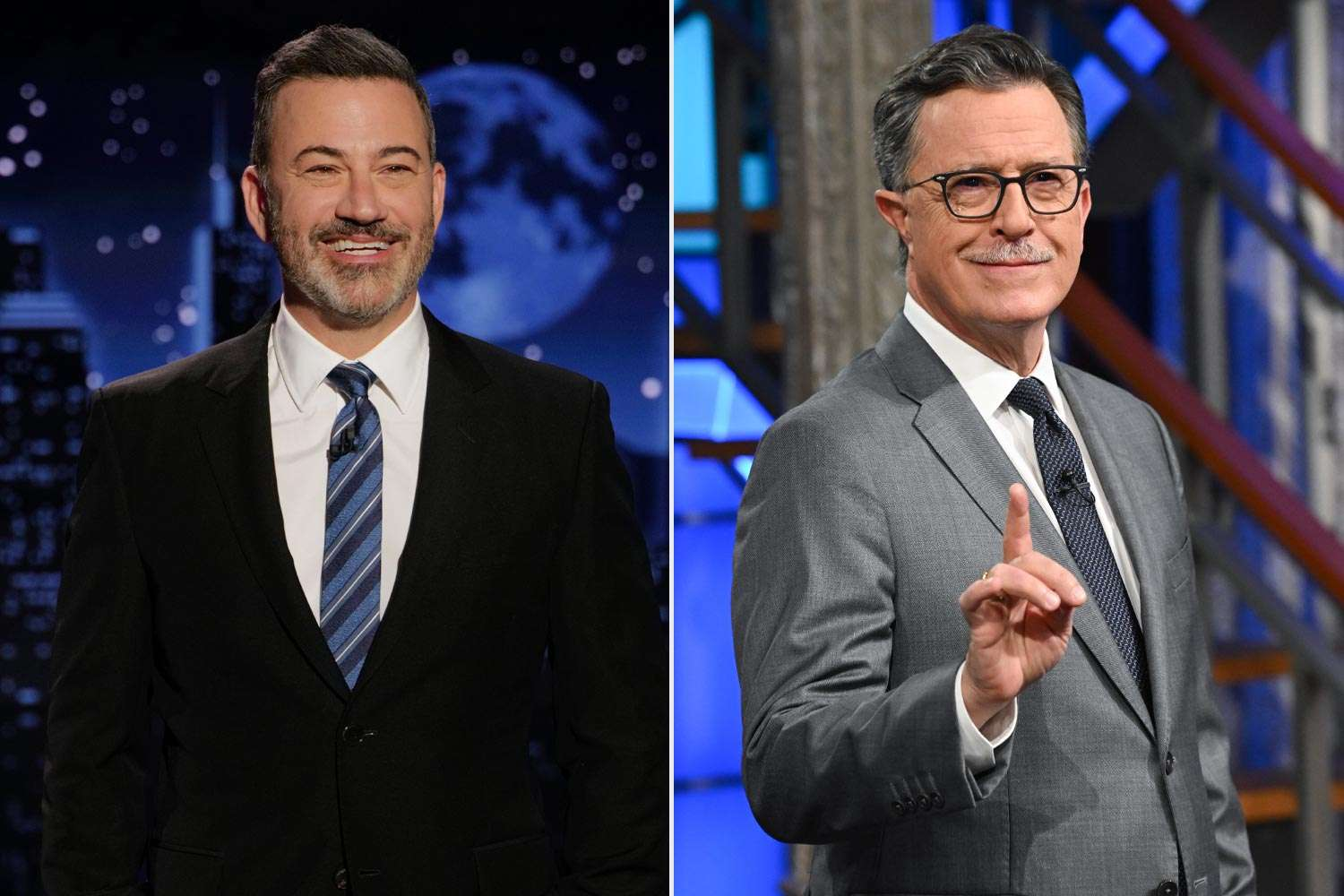
One of the most anticipated moments is the reunion of the “Strike Force Five” group: Stephen Colbert, Jimmy Fallon, Jimmy Kimmel, Seth Meyers, and John Oliver. The group formed during the 2023 Writers Guild of America strike for a 12-episode podcast series that supported employees while late-night shows were off the air. Their reunion is scheduled for Monday, May 11, during Colbert’s second-to-last week.
David Letterman, the original host of The Late Show, is also set to return on May 14. His appearance carries symbolic weight: Letterman launched the CBS franchise in 1993 and handed the show’s legacy to Colbert when he retired in 2015.


The farewell lineup also includes Pedro Pascal, Billy Crystal, Ina Garten, Julia Louis-Dreyfus, Tom Hanks, Sally Field, Chris Stapleton, John Krasinski, and Evie McGee Colbert. Former President Barack Obama is also part of the final stretch of episodes.
Why Stephen Colbert’s Last Show Matters
The phrase “Stephen Colbert last show” has gained attention because this is not simply the departure of one host. CBS is retiring The Late Show franchise entirely rather than naming a successor.
That decision separates Colbert’s exit from Letterman’s retirement in 2015. When Letterman left, CBS preserved the institution and chose Colbert as the next host. This time, the network is ending the franchise itself. CBS said, “We consider Stephen Colbert irreplaceable and will retire The Late Show franchise at that time.”
The move closes a 33-year CBS run across two hosts:


| Era | Host | On-Air Dates |
|---|---|---|
| Early Late Show | David Letterman | Aug. 30, 1993–May 20, 2015 |
| Colbert Era | Stephen Colbert | Sept. 8, 2015–May 21, 2026 |
| Total Run | Two hosts | 33 years combined |
During that span, The Late Show became one of the defining American late-night institutions. Letterman brought an ironic, offbeat sensibility that reshaped late-night comedy. Colbert later pushed the format deeper into political commentary, emotional interviews, and topical monologues that often traveled far beyond television through social media clips.
CBS Says the Decision Was Financial
CBS has framed the cancellation as a business decision. The network said the move was “purely a financial decision against a challenging backdrop in late night” and “not related in any way to the show’s performance, content or other matters happening at Paramount.”
Reports cited in the provided material suggest the network was losing upward of $40 million a year on the production.
Still, the cancellation has generated skepticism across the entertainment industry. Some observers have pointed to corporate changes involving Paramount and Skydance, while Letterman has publicly questioned CBS’s explanation. He said, “I’m just going to go on record as saying: They’re lying,” and added, “They’re lying weasels.”
In another comment on CBS replacing the time slot with Byron Allen’s Comics Unleashed, Letterman said, “They don’t want to spend any money, so they’re going to make money.”
The Replacement: A Different Kind of Late Night
Beginning May 22, Byron Allen’s Comics Unleashed is expected to take over the time slot. That replacement signals a major shift in CBS’s late-night strategy. Rather than continuing with a large-scale flagship talk show built around a single host, the network is moving toward a lower-cost comedy format.
That change reflects broader pressure across traditional television. Late-night programs once served as central cultural gathering places, but audience behavior has changed. Viewers now consume monologues, interviews, sketches, and viral segments in fragments across YouTube, TikTok, Instagram, podcasts, and streaming platforms.
Colbert’s exit therefore lands at a pivotal moment. The question is not only whether CBS can replace The Late Show. It is whether the old late-night model can still justify its cost in an era where the most valuable moments are often watched the next morning on a phone.
Colbert’s Legacy: Comedy, Politics, and Cultural Memory
Stephen Colbert took over The Late Show after building his reputation on The Colbert Report, where he played a satirical conservative pundit. At CBS, he had to reinvent himself without that character. Over time, he built a version of late-night comedy that leaned into political urgency, faith, grief, literature, theater, and personal conviction.
His monologues became central to the show’s identity, particularly during years of intense political division. The provided material describes Colbert as CBS’s highest-rated late-night host for nine consecutive seasons and credits his tenure with transforming how television addressed contemporary politics and culture.
The show also became known for serious interviews that sat alongside comedy sketches and celebrity conversations. Colbert’s strength was not only punchlines. It was the ability to move between satire and sincerity without making either feel out of place.
That balance explains why the final guest list feels so expansive. Letterman represents the franchise’s roots. Fallon, Kimmel, Meyers, and Oliver represent Colbert’s late-night peer group. Obama reflects the show’s political dimension. Evie McGee Colbert brings the farewell back to the personal.
The “Strike Force Five” Reunion Adds Emotional Weight
The expected “Strike Force Five” reunion may become one of the defining images of Stephen Colbert’s last show run. During the 2023 Hollywood writers strike, Colbert, Kimmel, Fallon, Meyers, and Oliver turned their private conversations into a limited podcast series. The project gave fans a rare look at late-night hosts interacting outside the usual competitive framework.
Their reunion on The Late Show is meaningful because it comes at a moment when competition feels secondary. The farewell stretch is less about ratings and more about acknowledging a shared television culture that has changed dramatically over the past decade.
For viewers, seeing those hosts together on one stage underscores what Colbert’s departure represents: not just one show ending, but a shift in the late-night ecosystem.
A Final Guest Wish: Pope Leo XIV
One of the more unusual details in the farewell buildup is Colbert’s reported hope of landing Pope Leo XIV as a final guest. Colbert reportedly called the pope his “white whale” and wrote a letter inviting him to appear during the final episodes.
The idea resonates because Colbert has often spoken publicly about his Catholic faith. Whether the appearance happens remains unknown, but the story has added intrigue to the final weeks and reflects the range of Colbert’s television identity: comic, interviewer, political satirist, believer, performer, and fan.
What Comes After Stephen Colbert’s Last Show?
Colbert is not disappearing from entertainment. The supplied material says he is set to be involved in an hour-long procedural drama centered on two detectives who are also uncles. The project, titled Uncle Cops, features Colbert and John C. Reilly. He is also expected to write a Lord of the Rings project with his son, Peter.
Those projects suggest that Colbert’s post-Late Show career may move beyond the nightly monologue format. After years of reacting to the day’s news in real time, he may now have space for scripted work, long-form comedy, and creative projects shaped less by the news cycle.
For CBS, the future is more uncertain. Retiring The Late Show removes the network from a flagship late-night tradition it helped define for more than three decades. NBC and ABC remain in the field with their own late-night brands, while cable, streaming, and digital platforms continue to fragment the audience.
Conclusion: A Goodbye Bigger Than One Host
Stephen Colbert’s last show on May 21 is a farewell to a host, a franchise, and a television ritual. It marks the end of an institution that began with David Letterman in 1993 and evolved through Colbert into a sharper, more politically engaged version of late night.
The final episodes are being built as a celebration: Letterman returning, the Strike Force Five reuniting, major guests appearing, and longtime viewers preparing for the last night at the Ed Sullivan Theater.
When Colbert signs off, CBS will not simply be closing a program. It will be closing one of the last great chapters of network late-night television.