Weekly Poll: Would You Buy the Oppo Find X9 Ultra? And Is the Find X9s the Smarter Choice?
The flagship smartphone market is entering another intense battle phase, and Oppo is making it clear that it wants a seat at the very top of the premium Android table. With the launch of the Oppo Find X9 Ultra and the more affordable Find X9s, the company is targeting two very different types of buyers — photography enthusiasts willing to spend heavily for cutting-edge camera hardware, and mainstream users looking for flagship polish without reaching ultra-premium pricing.
- Oppo’s Ambitious Push Into the Ultra-Premium Segment
- A Camera System Designed to Impress
- What Exactly Makes an “Ultra” Phone in 2026?
- The Oppo Find X9s: A More Practical Alternative?
- Massive Battery and Slim Design
- Camera Differences Between the X9s and X9s Pro
- Pricing Could Be the Biggest Challenge
- India Launch Timing Signals a Strategic Shift
- The Bigger Industry Question
- Final Thoughts
But the bigger question now is simple: would consumers actually buy them?
The latest weekly poll surrounding the Oppo Find X9 lineup reflects a growing conversation across the smartphone industry about what defines an “Ultra” phone in 2026, whether camera-focused flagships justify their rising prices, and how much compromise buyers are willing to accept for slightly cheaper alternatives.


Oppo’s Ambitious Push Into the Ultra-Premium Segment
For years, Samsung and Apple dominated the ultra-premium smartphone category. More recently, Chinese manufacturers such as Xiaomi, vivo, and Oppo have aggressively pushed into the same territory, especially with photography-centric devices.
According to the poll discussion, vivo raised the bar with the X300 Ultra, a camera-focused flagship carrying a staggering €2,000 price tag. Xiaomi followed with the Xiaomi 17 Ultra at around €1,500. Oppo now positions the Find X9 Ultra squarely between them at approximately €1,700.


That pricing immediately signals Oppo’s intentions: this is not designed to be a mass-market flagship. Instead, the Find X9 Ultra is aimed directly at enthusiasts who value advanced imaging systems above nearly everything else.
And Oppo appears confident that the device can compete.
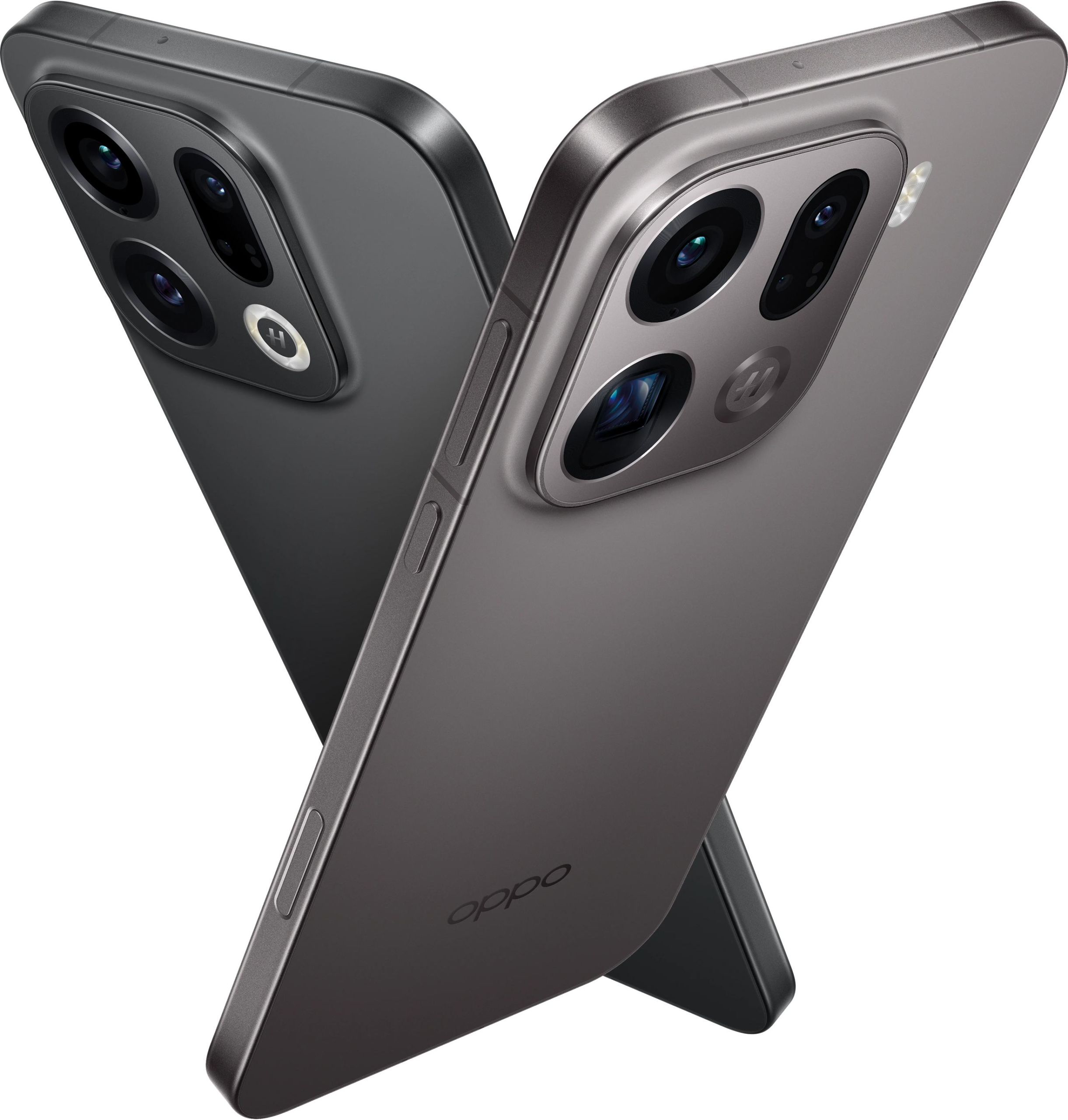
The company has heavily leaned into its ongoing partnership with Hasselblad, continuing a strategy that has become central to the Find X series identity. The Find X9 Ultra is being marketed not simply as a smartphone, but as a serious photography tool.
A Camera System Designed to Impress
The Find X9 Ultra arrives with one of the most aggressive camera setups Oppo has ever built.


The phone features:
- Two 200MP sensors
- A dedicated 3x telephoto camera
- A 50MP ultra-wide camera
- A 50MP periscope telephoto lens
- Up to 10x optical zoom
- Extended digital zoom capabilities
- A multispectral sensor for improved color accuracy and detail consistency
The emphasis on computational photography and zoom versatility places the phone directly in competition with devices such as the vivo X300 Ultra and Xiaomi 17 Ultra.
But Oppo is not stopping at the phone itself.
The company also introduced the Hasselblad Earth Explorer Kit, an accessory package designed for users who want even more photographic flexibility. The kit includes:
- A 300mm add-on lens
- An adapter for 67mm filters
- A lens collar with tripod mounting support
The existence of such accessories reveals Oppo’s broader strategy: treating the smartphone as a hybrid between mobile device and professional imaging platform.
For casual buyers, this may sound excessive. Even Oppo enthusiasts acknowledge that the full photography ecosystem is aimed at a niche audience. But for mobile creators, travel photographers, and social media professionals, the setup could be genuinely attractive.
What Exactly Makes an “Ultra” Phone in 2026?
One of the most interesting points raised in the poll discussion is the growing confusion around flagship naming conventions.
There is still no universally accepted definition of an “Ultra” smartphone.
Different brands use different terms:
- Ultra
- Pro
- Max
- XL
And each company defines premium experiences differently.
For Oppo, “Ultra” clearly means camera-first engineering. For Samsung, the Galaxy S26 Ultra combines productivity, stylus support, and imaging. Apple’s iPhone 17 Pro Max focuses heavily on ecosystem integration and video performance. Google’s Pixel 10 Pro XL emphasizes AI-powered photography and software experiences.
That leaves consumers with a difficult question: which type of premium experience matters most?
The weekly poll essentially asks readers to decide whether Oppo’s vision of the “Ultra” smartphone is compelling enough to justify the price.
The Oppo Find X9s: A More Practical Alternative?
While the Find X9 Ultra grabs headlines, the Oppo Find X9s may ultimately appeal to a much broader audience.
Unlike the Ultra model, the Find X9s aims to balance flagship-style features with a more accessible price point.
The device is expected to launch globally alongside the Find X9 Ultra, including in India, where Oppo has already confirmed availability. Earlier announcements during a MediaTek event revealed that the phone will use the Dimensity 9500s chipset.
However, the naming may be slightly misleading.
According to early reports, the Dimensity 9500s shares more similarities with the older Dimensity 9400 than the standard Dimensity 9500 found in higher-tier devices. That suggests the Find X9s is more of a refined upper-midrange flagship rather than a true top-tier performance monster.
Still, Oppo appears to be focusing on real-world usability instead of benchmark dominance.
Massive Battery and Slim Design
One of the Find X9s’ standout features is its enormous 7,025mAh battery.
In an era where many flagship devices still hover around the 5,000mAh mark, Oppo’s battery strategy stands out immediately. The company claims the device should comfortably last beyond a full day of regular usage.
The Find X9s also supports:
- 80W wired charging
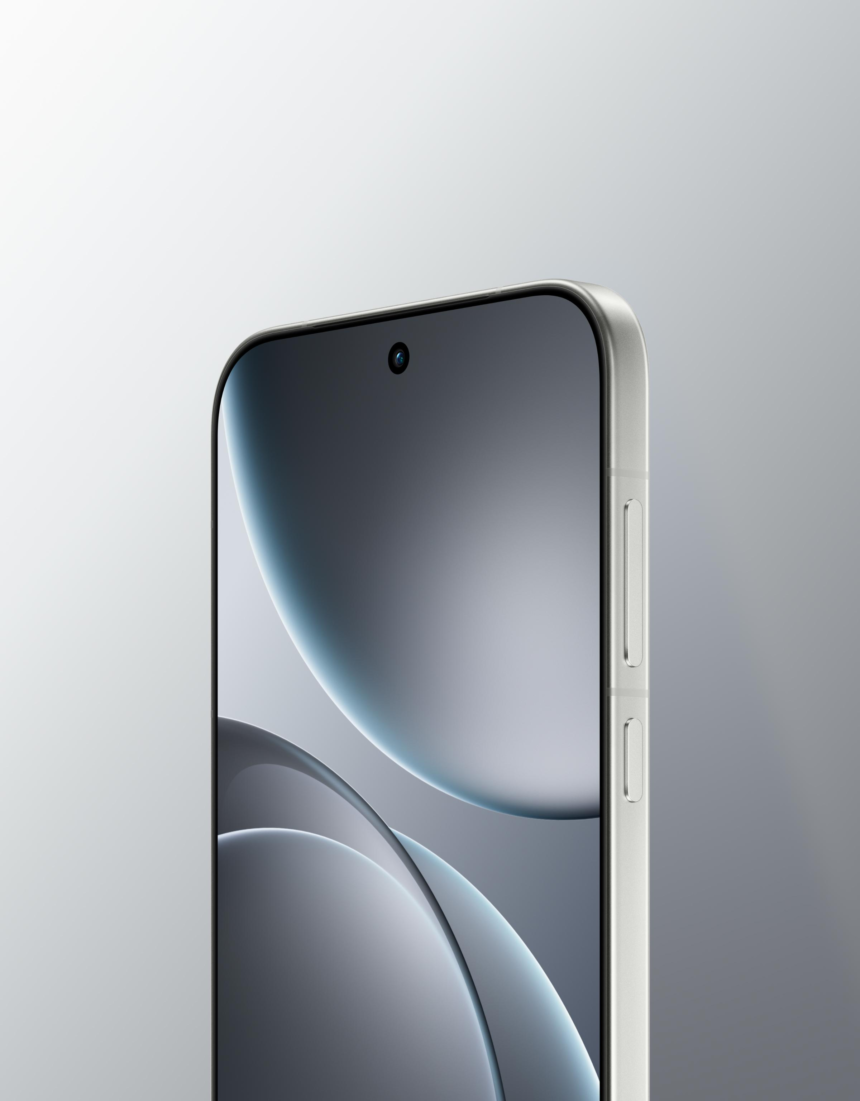
- Ultra-thin 1.15mm bezels
- A flat edge-to-edge display
- LIPO packaging technology for reduced bezel thickness
The phone’s design language remains consistent with the broader Find X9 family, including a square rear camera module and multiple color options such as orange, light purple, and dark grey or black.
Notably, the X9s drops wireless charging support, a compromise that helps separate it from the Ultra tier.
Camera Differences Between the X9s and X9s Pro
Oppo’s rollout strategy also reveals an interesting regional split.
The Find X9s Pro, expected to feature dual 200MP cameras, appears likely to remain exclusive to China. International markets are instead receiving the standard Find X9s with a more conservative camera setup.
The global Find X9s is expected to feature:
- A triple rear camera system
- A 50MP primary sensor
- احتم احتم a telephoto lens
This approach suggests Oppo is carefully segmenting its lineup based on regional demand and pricing sensitivity.
Pricing Could Be the Biggest Challenge
Despite being positioned as the “cheaper” model, the Find X9s may not be inexpensive enough to dramatically widen its appeal.
Early pricing examples from Malaysia show:
- Oppo Find X9s (12GB/512GB): MYR 3,600 during pre-order
- Standard MSRP: MYR 3,900
- Original Find X9 (16GB/512GB): MYR 4,000
The relatively small price difference means buyers may still be tempted to stretch their budgets for the more premium option.
That creates a difficult balancing act for Oppo.
If the X9s is too close in price to the regular Find X9, consumers may simply choose the better-equipped model. But if the company priced it too low, it could undermine the premium positioning of the broader Find X lineup.
India Launch Timing Signals a Strategic Shift
Another significant development is Oppo’s synchronized global rollout strategy.
Historically, some Chinese smartphone brands delayed India launches by months after global debuts. This time, Oppo appears determined to shorten that gap dramatically.
Reports indicate the Find X9 Ultra and Find X9s are headed to India shortly after their global unveiling. That tighter launch schedule could help Oppo capitalize on launch momentum while strengthening its position in one of the world’s most competitive smartphone markets.
For Indian consumers, this may be especially important because flagship availability timing often influences purchasing decisions.
The Bigger Industry Question
The weekly poll surrounding the Find X9 Ultra and Find X9s highlights a broader shift happening across the smartphone industry.
Flagship devices are increasingly dividing into two categories:
- Ultra-premium enthusiast devices focused on photography and experimentation
- Practical flagship alternatives prioritizing battery life, design, and everyday performance
The Oppo Find X9 Ultra represents the first category perfectly. It is unapologetically expensive and heavily camera-centric.
The Find X9s, meanwhile, targets buyers who still want premium aesthetics and strong battery life without entering the extreme flagship pricing tier.
The real challenge for Oppo is convincing consumers that both devices deserve a place in an already crowded premium Android market.
Final Thoughts
The Oppo Find X9 Ultra is clearly designed to impress power users and mobile photography enthusiasts. Its advanced camera hardware, Hasselblad partnership, premium accessory ecosystem, and aggressive imaging ambitions position it as one of the most technically ambitious Android flagships of 2026.
But ambition comes at a price — literally.
At around €1,700, the Find X9 Ultra enters a category where buyers expect near perfection. Whether consumers choose it over rivals from vivo, Xiaomi, Samsung, Apple, or Google will depend largely on how much they value mobile photography.
The Oppo Find X9s may ultimately prove more important commercially. Its huge battery, slim bezels, attractive design, and likely lower price make it easier to recommend to mainstream flagship shoppers.
The weekly poll reflects exactly that divide: some users are excited by Oppo’s aggressive innovation, while others remain unconvinced that the jump into ultra-premium pricing is worth it.