

Samsung’s Big Bet: Bringing One UI to Laptops Could Redefine the PC Experience
A New Chapter in Samsung’s Ecosystem Strategy
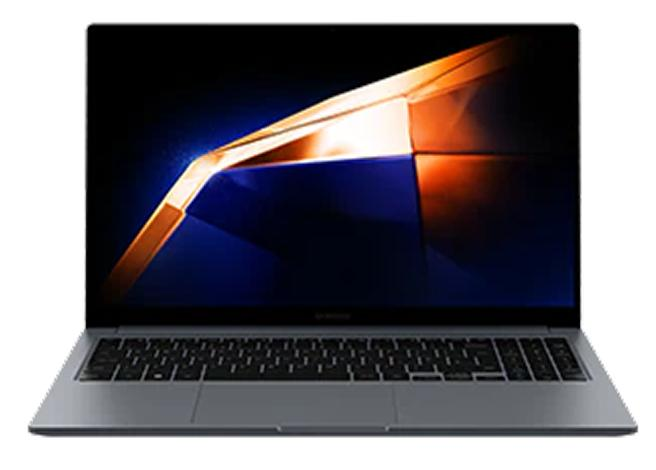
Samsung appears to be preparing one of its most ambitious software expansions yet—bringing its signature One UI interface to laptops. According to emerging reports, the company is developing a new generation of Galaxy Book devices powered by Android 17 and layered with One UI 9, marking a significant shift in how Samsung approaches personal computing.
If realized, this move would extend Samsung’s mobile-first software philosophy into the laptop space, potentially reshaping the boundaries between smartphones, tablets, and PCs. It also aligns with broader industry trends, particularly Google’s ongoing effort to merge Android and ChromeOS into a unified platform often referred to as “Aluminium OS.”
Why This Move Matters Now
Samsung’s product ecosystem is vast, spanning smartphones, tablets, TVs, wearables, and laptops. However, one persistent challenge has been fragmentation: different devices run on different operating systems, including Android, Windows, ChromeOS, and Tizen.
By introducing One UI to laptops, Samsung could significantly streamline the user experience across its devices. A unified interface would allow users to transition more seamlessly between phone, tablet, and laptop workflows—something Apple has leveraged effectively within its own ecosystem.
Industry observers suggest this strategy could strengthen Samsung’s competitive position, particularly against Apple’s tightly integrated macOS and iOS environment.
What We Know About the Upcoming Galaxy Books
Android 17 Meets One UI 9
The rumored laptops are expected to run Android 17 with One UI 9 layered on top. This would be the first time Samsung’s mobile interface appears on full-scale laptops, potentially redesigned for larger screens and productivity-focused use cases.
However, one key uncertainty remains: whether Samsung will rely directly on Google’s upcoming Android-based ChromeOS (Aluminium OS) or build its own customized version of Android for laptops. The distinction could significantly affect app compatibility, performance, and long-term support.
Multiple Tiers: From Budget to Flagship
Samsung is reportedly planning a full lineup of these devices, including:
- Entry-level models for everyday users
- Mid-range devices balancing performance and affordability
- Flagship laptops featuring a “very sleek design”
This tiered approach suggests Samsung is aiming for broad market coverage, rather than treating Android laptops as a niche experiment.
Galaxy AI at the Core
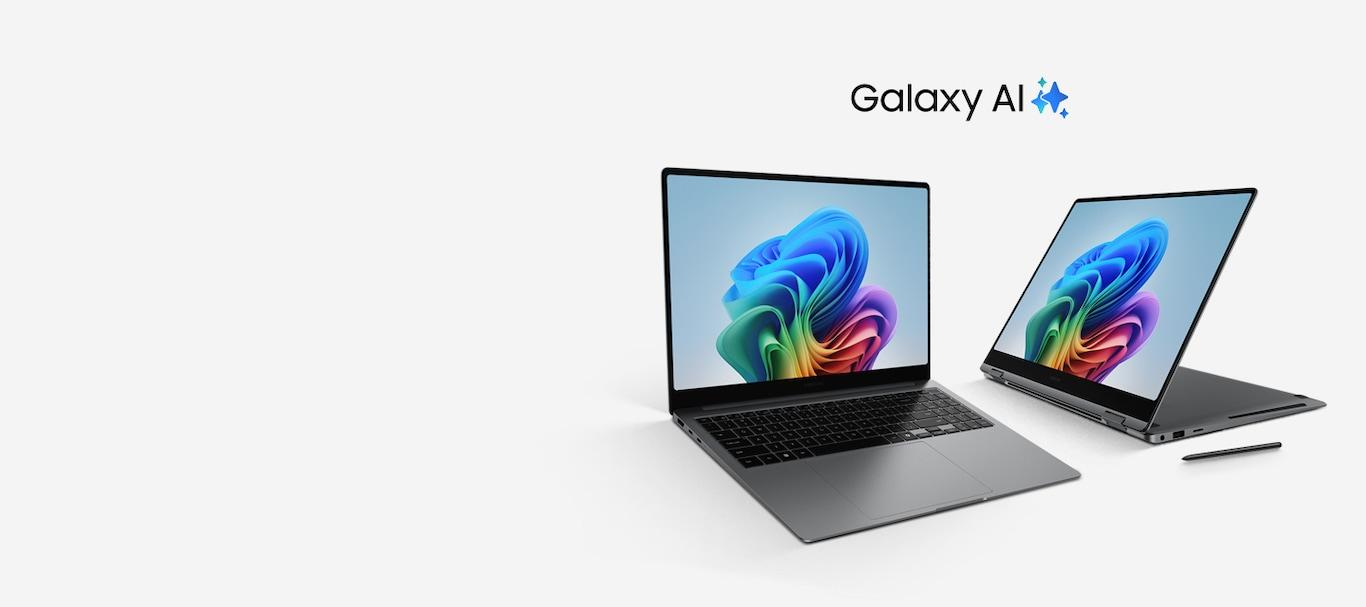
Unsurprisingly, Samsung’s push into AI will play a central role. The new Galaxy Books are expected to integrate Galaxy AI features already seen on smartphones and tablets.
These could include:
- Advanced productivity tools
- AI-assisted multitasking
- Enhanced communication and content creation features
Samsung has been steadily embedding AI across its ecosystem, and laptops represent the next logical step in that expansion.
One UI on Laptops: Evolution of DeX?
One of the most intriguing aspects of this development is how One UI will adapt to the laptop form factor.
Early expectations suggest the interface could resemble an advanced version of Samsung DeX—a desktop-like environment that allows users to connect their phones to external displays for a PC-style experience.
On laptops, this could evolve into:
- A full desktop UI with windowed apps
- Improved multitasking capabilities
- Seamless cross-device integration with Galaxy phones and tablets
If executed well, this could blur the line between mobile and desktop computing even further.
The Role of Google’s “Aluminium OS”
Samsung’s plans are unfolding alongside a major shift within Google. The tech giant is reportedly working to merge Android and ChromeOS into a single unified platform.
This next-generation system, informally referred to as Aluminium OS, is expected to:
- Combine Android’s app ecosystem with ChromeOS’s desktop capabilities
- Provide a more consistent experience across devices
- Enable better performance on larger screens
Samsung’s Android-based laptops could either adopt this platform directly or build upon it, positioning the company at the forefront of this transition.
Launch Timeline: When Could We See These Devices?
While Samsung has not officially confirmed the project, timing clues suggest a relatively near-term release window.
Google is expected to unveil Android 17 and the next evolution of ChromeOS at its developer conference in May 2026. If Samsung aligns its roadmap with these announcements, the new Galaxy Book lineup could debut before the end of the year.
That would place the launch squarely within a critical period for the PC industry, as manufacturers explore alternatives to traditional Windows-based systems.
What This Means for the Future of Laptops
Samsung’s move signals a broader shift in the computing landscape:
1. The Rise of Mobile-First PCs
Laptops powered by Android could offer a more app-centric, touch-friendly experience, appealing to users already deeply embedded in mobile ecosystems.
2. Increased Competition in the PC Market
By introducing Android-based laptops, Samsung could challenge both Windows PCs and Apple’s MacBooks, particularly in categories like portability and ecosystem integration.
3. Convergence of Devices
As smartphones, tablets, and laptops become more interconnected, users may rely less on traditional PCs and more on unified ecosystems.
4. AI-Driven Productivity
With Galaxy AI integrated across devices, Samsung is positioning its ecosystem around intelligent, context-aware computing.
The Bigger Picture
Samsung’s reported push to bring One UI to laptops is more than just a software update—it’s a strategic attempt to unify its ecosystem and redefine how users interact with their devices.
While many details remain unclear, the direction is unmistakable: the future of computing is converging, and Samsung intends to play a leading role.
If successful, these Android-powered Galaxy Books could mark the beginning of a new era where the distinction between phone and laptop becomes increasingly irrelevant.


