A Smaller Tablet with a Broader Ambition
Xiaomi has officially unveiled the Redmi Pad 2 9.7, a compact addition to its tablet portfolio that signals a clear strategic shift: smaller form factors paired with accessible pricing and optional connectivity. First surfacing in March, the device has now been formally introduced through listings on Xiaomi’s websites in Singapore and Malaysia, marking its entry into Southeast Asian markets.
But this is more than just another tablet launch. The Redmi Pad 2 9.7 reflects a growing trend in the industry—offering practical, everyday devices that balance portability, performance, and affordability without venturing into premium territory.
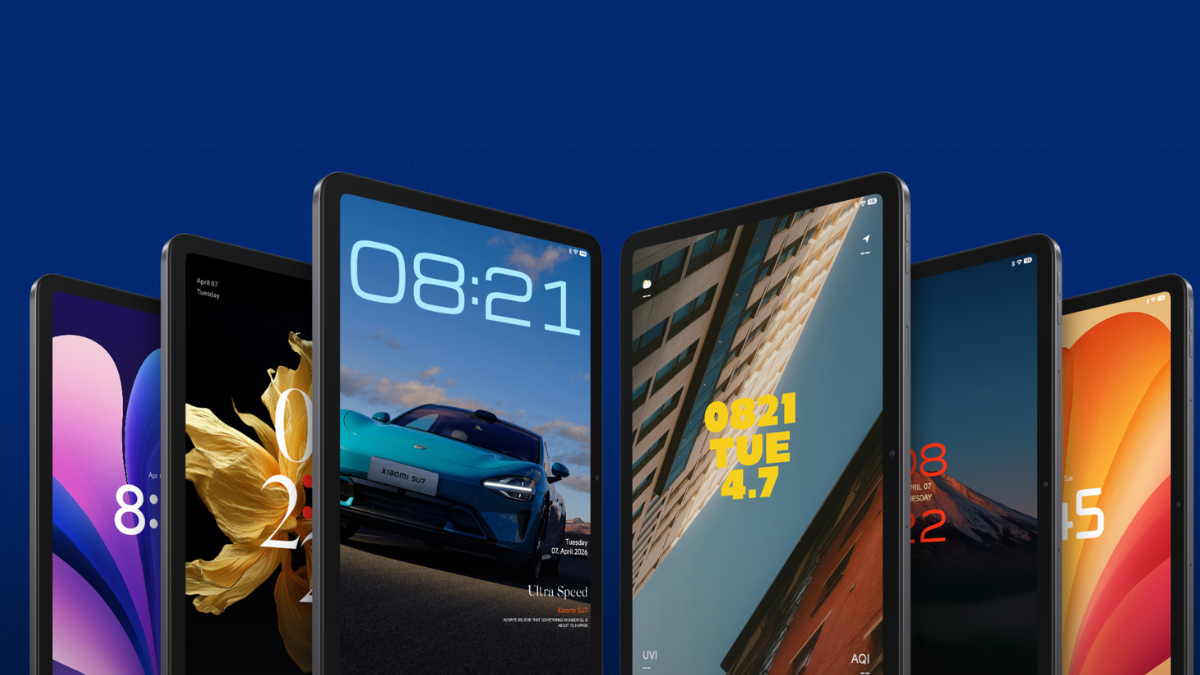
Compact by Design: Why 9.7 Inches Matters
In a market dominated by tablets exceeding 11 inches, Xiaomi’s decision to go with a 9.7-inch display stands out. This size positions the Redmi Pad 2 9.7 as a more portable and manageable alternative, ideal for users who prioritize ease of handling over expansive screen real estate.
The display itself doesn’t compromise on quality. It features:
- 2048 × 1280 resolution
- 120Hz refresh rate
- 240Hz touch sampling rate
- Up to 600 nits peak brightness
This combination ensures fluid scrolling, responsive touch input, and sufficient brightness for outdoor use—features typically reserved for higher-tier devices. Despite its compact footprint, the tablet is engineered to deliver a smooth multimedia and browsing experience.
Performance Focused on Everyday Use
Under the hood, the Redmi Pad 2 9.7 is powered by the Snapdragon 6s Gen 2 4G chipset, paired with 4GB of RAM and 64GB or 128GB of storage. This hardware configuration places it firmly in the entry-level to mid-range segment.
In practical terms, this setup is optimized for:
- Web browsing
- Video streaming
- Reading and note-taking
- Light multitasking
It is not designed for intensive workloads such as heavy gaming or advanced content creation, but that aligns with its intended audience—users seeking reliability over raw power.
Cameras, Battery, and Build: Functional Essentials
The Redmi Pad 2 9.7 adopts a pragmatic approach to hardware features:
- Rear camera: 8MP
- Front camera: 5MP
- Battery: 7,600 mAh
- Charging: 18W wired (with a 15W charger included in some markets)
The camera system is adequate for video calls and occasional snapshots, while the battery capacity is substantial enough to support extended usage throughout the day.
Physically, the tablet measures 226.51 x 147.97 x 7.4 mm and weighs 406g, making it lightweight and easy to carry.
Software and Ecosystem Integration
The device runs HyperOS 3, Xiaomi’s latest operating system built on Android 16. This ensures access to updated features, improved performance optimization, and better integration within Xiaomi’s broader ecosystem.
HyperOS is increasingly central to Xiaomi’s cross-device strategy, linking smartphones, tablets, and even smart home products into a unified experience.
Connectivity Choices: Wi-Fi or 4G Flexibility
One of the defining features of the Redmi Pad 2 9.7 is its optional 4G connectivity. Buyers can choose between:
- Wi-Fi-only model
- Wi-Fi + 4G variant
This flexibility is particularly important in regions where mobile data remains a primary source of internet access. It effectively transforms the tablet into a more versatile device for on-the-go usage, from remote work to streaming and communication.
Pricing Strategy: Accessibility at the Core
Xiaomi continues its aggressive pricing approach with the Redmi Pad 2 9.7:
- Wi-Fi model: Starts at SGD 229 (~$179)
- Wi-Fi + 4G model: Starts at SGD 269 (~$211)
While Malaysia listings currently show placeholder prices, the Singapore pricing clearly positions the device as a budget-friendly option.
This affordability is a key factor in Xiaomi’s strategy to expand its reach in emerging markets and attract first-time tablet buyers.
Global Expansion Plans Underway
Although the tablet has launched in Southeast Asia, Xiaomi has already hinted at a broader rollout. The device has been added to global listings, suggesting availability beyond Malaysia and Singapore.
There is no confirmed timeline for regions such as Europe, Africa, or the Middle East, but early signs indicate that wider distribution is imminent.
Positioning Within Xiaomi’s Tablet Lineup
The Redmi Pad 2 9.7 serves as a smaller alternative to the standard Redmi Pad 2, offering similar fundamentals in a more compact form factor. It also aligns with Xiaomi’s ongoing efforts to diversify its tablet portfolio, catering to different user preferences and price segments.
This approach mirrors broader industry trends, where manufacturers are increasingly segmenting devices based on usage scenarios—productivity, entertainment, portability, and connectivity.
What This Means for the Tablet Market
The launch of the Redmi Pad 2 9.7 highlights several important shifts:
- Renewed interest in compact tablets
Not all users want large screens; portability is becoming a differentiator again.
- Affordable connectivity options
4G-enabled tablets are gaining traction in regions with limited fixed broadband access.
- Balanced feature sets over flagship specs
Consumers are prioritizing smooth everyday performance rather than cutting-edge hardware.
Conclusion: A Practical Tablet for Everyday Needs
The Redmi Pad 2 9.7 is not trying to compete with premium tablets. Instead, it focuses on delivering a well-rounded, affordable, and portable experience for everyday users.
With its compact design, smooth display, optional 4G support, and competitive pricing, it stands out as a practical choice for students, casual users, and anyone looking for a reliable secondary device.
As Xiaomi continues expanding its global presence, the Redmi Pad 2 9.7 could play a key role in shaping the next phase of the budget tablet market.


