

Samsung Galaxy Glasses Leak: A Strategic First Step Into the Post-Smartphone Era
A New Angle on Wearable Tech
Samsung’s long-rumored entry into smart eyewear has come sharply into focus following a fresh leak that reveals the Galaxy Glasses from three distinct angles, offering the clearest visual preview yet of the company’s first-generation device. Alongside these renders, new details about specifications, pricing, and positioning provide insight into how Samsung plans to compete in an increasingly crowded augmented and mixed reality market.
Rather than aiming for an immediate leap into full augmented reality, Samsung appears to be taking a calculated, incremental approach—one that prioritizes accessibility, practicality, and AI integration over futuristic spectacle.
What the Leaked Renders Reveal
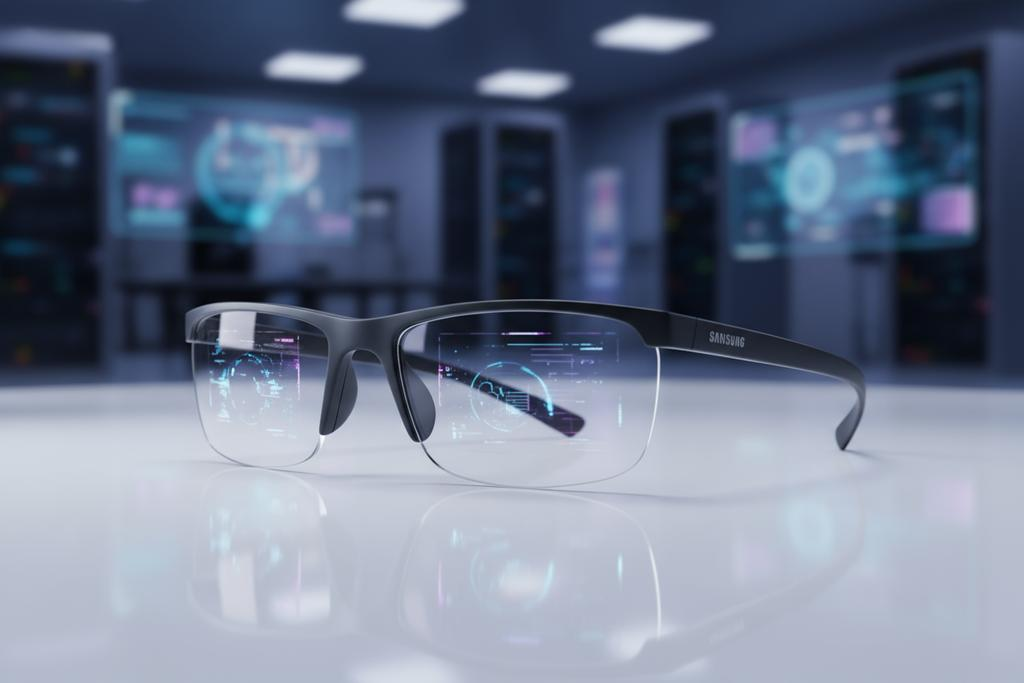
The newly surfaced images showcase the Galaxy Glasses’ design from multiple perspectives, suggesting a product that blends familiar eyewear aesthetics with subtle technological enhancements.
The visuals are reportedly “based on real-life pictures of a testing unit of these smart glasses,” indicating that the design is already in an advanced prototype stage.
From the renders, one notable design element stands out: more prominent camera bumps, which may serve both functional and social purposes—making it easier for others to recognize when recording is taking place.
Samsung is also collaborating with Warby Parker and Gentle Monster on the frames, signaling a deliberate focus on fashion-forward design as well as functionality.
A Deliberate “No-Screen” Strategy
Perhaps the most defining aspect of the first-generation Galaxy Glasses is what they don’t include: a display.
Instead, Samsung is reportedly embracing an AI-first, screen-free design, relying on voice, audio, and contextual assistance to deliver value to users.
This approach reflects a broader strategic shift in wearable technology:
- Reduced complexity for first-time users
- Lower production costs compared to full AR displays
- Greater comfort and battery efficiency
- A transitional step toward future AR devices
By removing the display, Samsung positions the Galaxy Glasses as a bridge between smartphones and future augmented reality ecosystems, gradually acclimating users to wearable computing.
Key Specifications and Hardware Capabilities
While still unofficial, the leaked specifications paint a clear picture of a capable, lightweight wearable designed for everyday use.
Reported Galaxy Glasses Specs
- Processor: Qualcomm Snapdragon AR1
- Battery: 155 mAh
- Camera: 12MP (Sony IMX681 sensor)
- Connectivity: Wi-Fi, Bluetooth 5.3
- Audio: Directional speakers (with bone-conduction elements in patents)
- Weight: ~50g
- Platform: Android XR with Gemini AI integration
Additional features highlighted in reports include:
- Microphones for voice commands
- Hands-free photo and video capture
- Real-time AI assistance and contextual suggestions
The combination of these elements underscores Samsung’s focus on practical, everyday functionality rather than immersive visual experiences.
Pricing and Release Expectations
The first-generation Galaxy Glasses are rumored to launch within a price range of $379 to $499, positioning them directly against Meta’s Ray-Ban smart glasses.
A potential unveiling is expected during Samsung’s summer Unpacked event in July, alongside major smartphone releases such as the Galaxy Z Fold8 and Galaxy Z Flip8.
Looking further ahead, Samsung is reportedly developing a second-generation model, codenamed “Haean,” which will include a display and target a 2027 release window with a higher price range of $600 to $900.
Competing in a Rapidly Evolving Market
Samsung’s entry into the smart glasses segment places it in direct competition with major technology players:
- Meta: Already established with Ray-Ban smart glasses
- Apple: Reportedly working on premium smart eyewear
- Google: Advancing Android XR and partnering with eyewear brands
This competitive landscape reflects a broader industry consensus: smart glasses are a critical component of the “post-smartphone” future.
Unlike smartphones, these devices can deliver:
- Real-time contextual assistance
- Hands-free interaction
- Continuous integration with the user’s environment
Samsung’s decision to integrate Android XR with Gemini AI further strengthens its ecosystem positioning, especially as more details about the platform are expected at upcoming industry events.
Privacy, Design, and Social Considerations
As with any camera-equipped wearable, privacy concerns remain a key issue. Competitors like Meta have already faced scrutiny, including legal challenges over data handling practices tied to smart glasses.
Samsung’s design choices—such as visible camera modules—may be an attempt to address these concerns proactively by increasing transparency.
At the same time, the inclusion of directional audio and voice control suggests a strong emphasis on seamless, unobtrusive interaction.
The Bigger Picture: A Shift Toward AI-Driven Wearables
The Galaxy Glasses leak points to a broader transformation in consumer technology. Rather than focusing on screens and apps, companies are increasingly prioritizing:
- AI-driven assistance
- Natural interaction (voice, gestures)
- Context-aware computing
Samsung’s approach—starting with a lightweight, screen-free device—indicates a long-term strategy aimed at gradual adoption rather than immediate disruption.
Conclusion: A Measured Step Into the Future
The leaked renders of the Samsung Galaxy Glasses offer more than just a glimpse at a new product—they reveal a carefully calibrated strategy.
By focusing on usability, AI integration, and affordability, Samsung is positioning its first-generation glasses as an accessible entry point into wearable computing. Meanwhile, the roadmap toward a display-equipped successor signals the company’s long-term ambitions in augmented reality.
If the leaks hold true, the Galaxy Glasses may not redefine the category overnight—but they could play a pivotal role in shaping how users transition into a world beyond smartphones.


