Bad Bunny at the 2026 Met Gala: A Night Where Time Became Fashion
A Red Carpet Entrance That Stopped Time
On May 4, 2026, the steps of New York’s Metropolitan Museum of Art once again transformed into the world’s most influential runway. The Met Gala—fashion’s most anticipated annual spectacle—drew global icons from music, film, sports, and high fashion. Among them were Kim Kardashian, Serena Williams, Anne Hathaway, Emily Blunt, Janelle Monáe, LISA, and Blue Ivy Carter, all delivering striking interpretations of the evening’s theme.
- A Red Carpet Entrance That Stopped Time
- The Concept: Turning Aging Into Art
- The Transformation: From Global Star to Elderly Persona
- The Outfit: Minimalism Supporting the Message
- “53 Years Exactly”: Humor Meets High Concept
- A Performance, Not Just an Appearance
- A Star-Studded Night Beyond One Moment
- Why This Moment Matters
- The Future of Red Carpet Fashion
- Conclusion: A Defining Met Gala Moment
Yet amid this constellation of celebrity, one figure dominated the conversation: Bad Bunny.
The Puerto Rican superstar didn’t just arrive—he performed. And in doing so, he redefined what it means to “dress for the Met.”


The Concept: Turning Aging Into Art
The 2026 Met Gala theme, widely described as “Fashion is art” and “Costume Art,” encouraged attendees to push beyond aesthetics and into storytelling.
Bad Bunny embraced this directive with radical clarity.



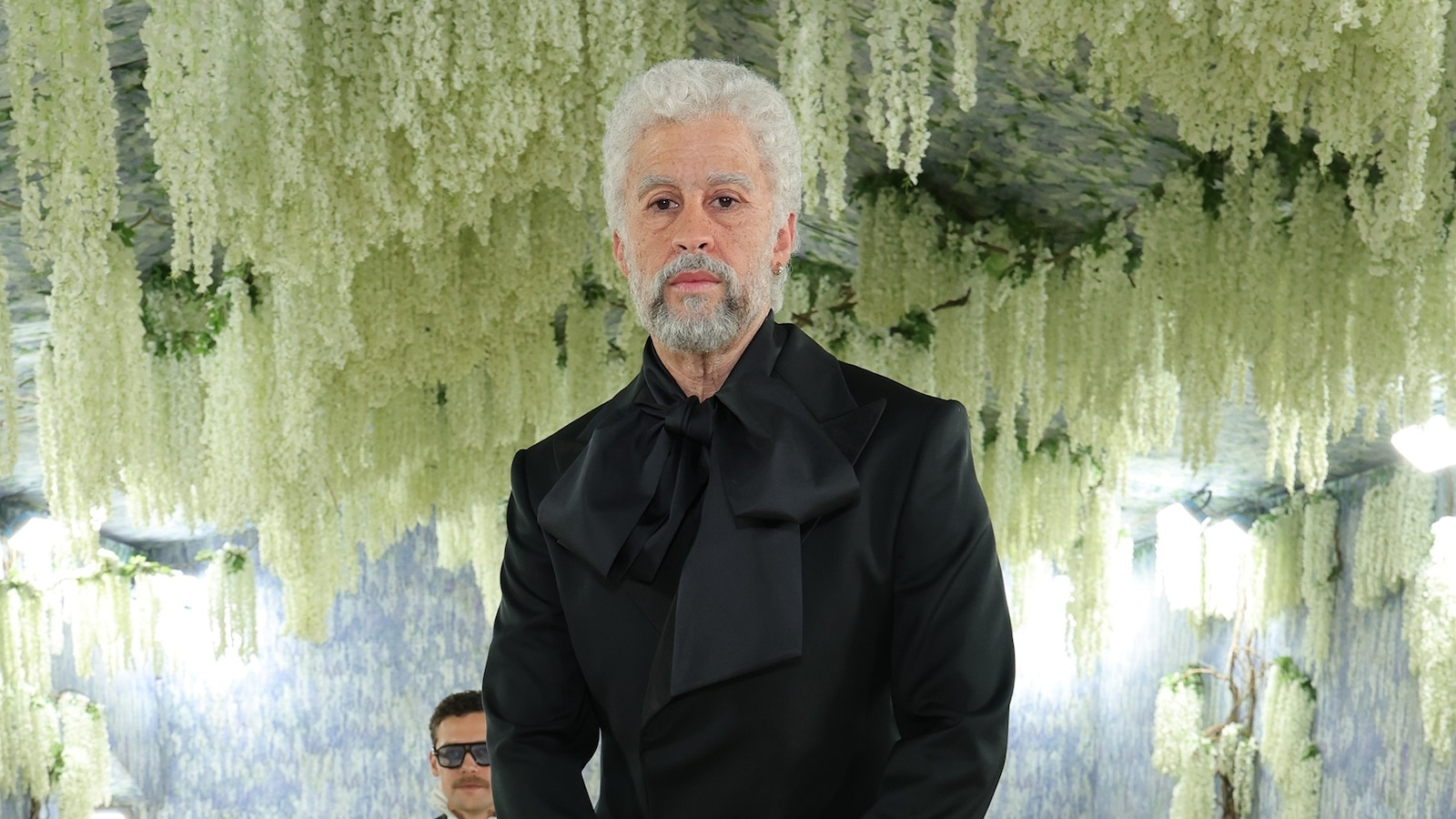
Instead of showcasing youth, glamour, or traditional luxury, he chose to explore the “aging body”—a concept often overlooked in fashion. His transformation presented a hyper-realistic vision of himself decades into the future, effectively turning his body into a living sculpture about time, identity, and mortality.
This was not merely styling—it was conceptual art.
The Transformation: From Global Star to Elderly Persona
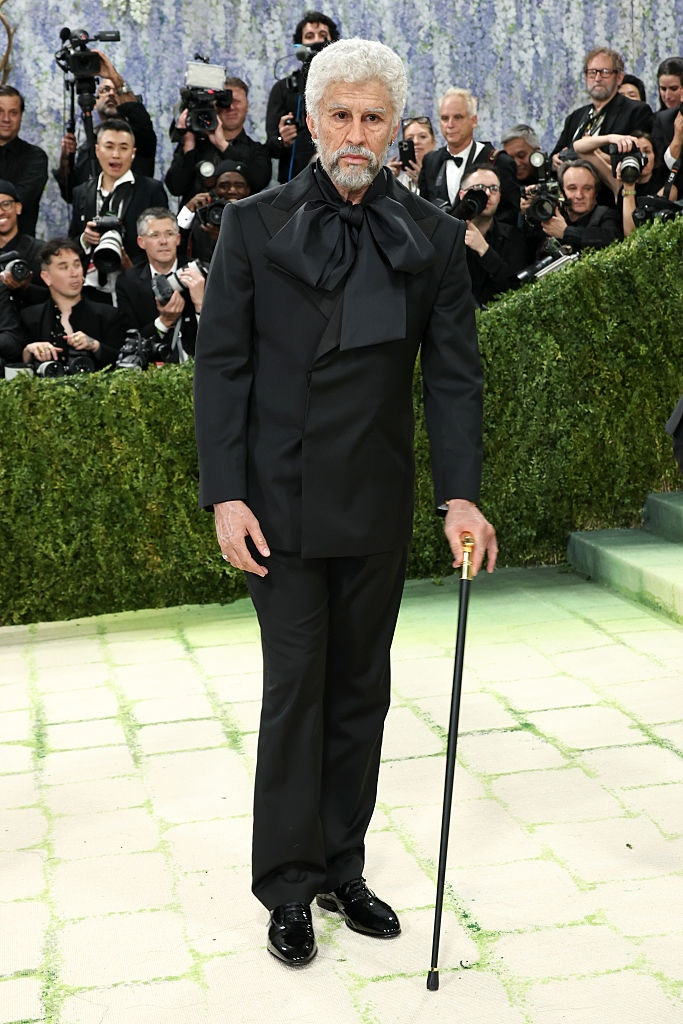
Bad Bunny’s look was built on meticulous craftsmanship. Working with renowned prosthetic artist Mike Marino, he underwent a complete physical transformation that included:
- Artificial white hair
- Detailed wrinkle prosthetics across face, neck, and hands
- Sunspots and aged skin textures
- A slowed posture and deliberate movement
- A walking cane reinforcing the elderly character
The effect was so convincing that many initially failed to recognize him.



Online reactions quickly followed, with fans describing him as having “time-travelled” onto the red carpet in an 80-plus-year-old version of himself.
The Outfit: Minimalism Supporting the Message
While the transformation was theatrical, the clothing itself was deliberately restrained.
Bad Bunny wore a sharply tailored all-black tuxedo created in collaboration with Zara, featuring an oversized bow inspired by Charles James’ 1947 design “Bustle,” part of the Costume Institute’s permanent collection.
Accessories played a critical narrative role:
- A vintage Cartier Cloche watch in 18k gold, symbolizing time’s passage
- Cartier jewellery
- A cane that completed the elderly persona
The styling ensured that attention remained on the concept rather than the garment—an intentional inversion of typical Met Gala priorities.
“53 Years Exactly”: Humor Meets High Concept
Despite the philosophical weight of the look, Bad Bunny infused it with humor.
When asked how long the transformation took, he responded:
“It took me 53 years exactly to design this outfit.”
The comment instantly went viral.
Memes spread across platforms within minutes, blending admiration with playful commentary. This balance—serious artistic intent paired with self-aware humor—helped the look resonate far beyond fashion circles.
A Performance, Not Just an Appearance
What set Bad Bunny apart was not just how he looked—but how he behaved.
He didn’t break character. His slow walk, posture, and interaction style reinforced the illusion of age, transforming the red carpet into a stage.
This approach blurred the boundary between:
- Fashion
- Performance art
- Celebrity spectacle
In doing so, he elevated the Met Gala experience from visual display to immersive storytelling.
A Star-Studded Night Beyond One Moment
While Bad Bunny dominated headlines, the 2026 Met Gala remained a showcase of global creativity.
Notable attendees included:
- Beyoncé, delivering a sculptural high-fashion statement
- Blue Ivy Carter, making a widely discussed appearance
- Anne Hathaway and Emily Blunt, representing cinematic elegance
- Serena Williams and Lindsey Vonn, bridging sport and style
- Janelle Monáe, known for boundary-pushing fashion
- Hailey Bieber, Olivia Wilde, and Ayo Edebiri
Together, they reinforced the Gala’s reputation as the ultimate intersection of culture, celebrity, and design.
Why This Moment Matters
Bad Bunny’s 2026 Met Gala appearance was not simply viral—it was culturally significant.
1. Challenging Fashion Norms
The industry traditionally celebrates youth. By centering aging, he disrupted a deeply ingrained bias.
2. Expanding Masculine Expression
Male red carpet fashion often leans conservative. His bold, theatrical approach challenged those boundaries.
3. Reinforcing Fashion as Narrative
Rather than wearing a story, he became the story.
4. Bridging Art and Pop Culture
He proved that conceptual art can thrive in mainstream, highly visible spaces.
The Future of Red Carpet Fashion
Bad Bunny’s appearance reflects a broader shift in celebrity culture.
Increasingly, stars are using fashion not just to impress—but to communicate:
- Identity
- Social commentary
- Artistic vision
His willingness to experiment, take risks, and fully commit to an idea ensures he remains a central figure in these evolving conversations.
And if his Met Gala track record is any indication, this is unlikely to be his last defining moment.
Conclusion: A Defining Met Gala Moment
At the 2026 Met Gala, Bad Bunny didn’t just follow the theme—he embodied it.
By transforming himself into an aged version of his future self, he turned fashion into a meditation on time, identity, and mortality. The result was a moment that was at once humorous, unsettling, and deeply creative.
In a night filled with spectacle, it was this singular vision that stood out.
He didn’t just walk the red carpet—he rewrote what it could be.