iPhone 18 Pro vs iPhone 17 Pro: What Could Change in Apple’s Next Upgrade
A Look Ahead at Apple’s Next Big Leap
Every September, Apple sets the tone for the global smartphone industry with its flagship iPhone launch. In September 2025, the company unveiled the iPhone 17 series, including the premium iPhone 17 Pro and Pro Max. As expected, speculation quickly shifted toward what comes next.
- A Look Ahead at Apple’s Next Big Leap
- Camera Technology: From Incremental to Transformational
- Visual Intelligence and AI Integration
- Siri Meets the Camera: A New User Experience
- Processing Power and AI Hardware Demands
- The Hidden Trade-Off: Faster Upgrade Cycles
- Industry Context: Apple’s AI Arms Race
- iPhone 17 Pro vs iPhone 18 Pro: Key Expected Differences
- What This Means for Users
- Conclusion: A Defining Upgrade Cycle?
Now, early insights into the iPhone 18 Pro suggest Apple may be preparing one of its most significant upgrades in years—particularly in camera hardware and artificial intelligence capabilities. If these reports hold true, the transition from iPhone 17 Pro to iPhone 18 Pro could mark more than just an incremental update; it could signal a shift in how iPhones capture images and process information.
This analysis breaks down the expected differences, focusing on camera innovation, AI integration, and hardware evolution.


Camera Technology: From Incremental to Transformational
iPhone 17 Pro: Refinement Over Revolution
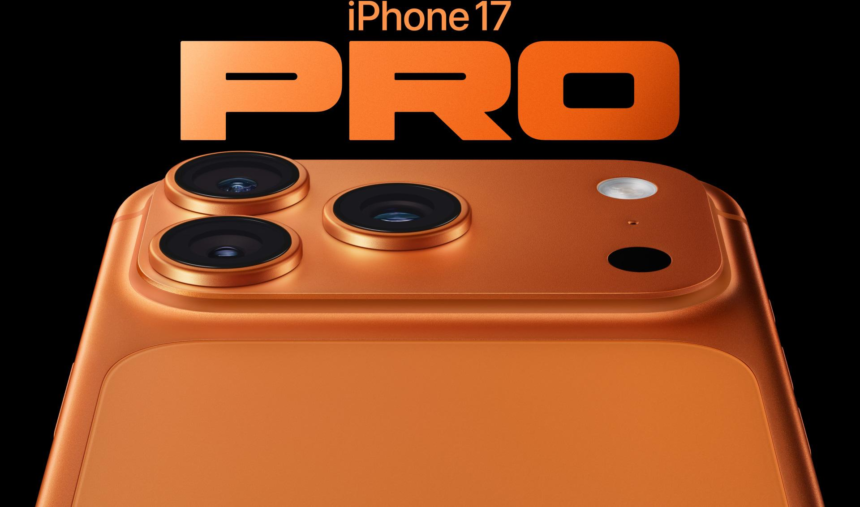
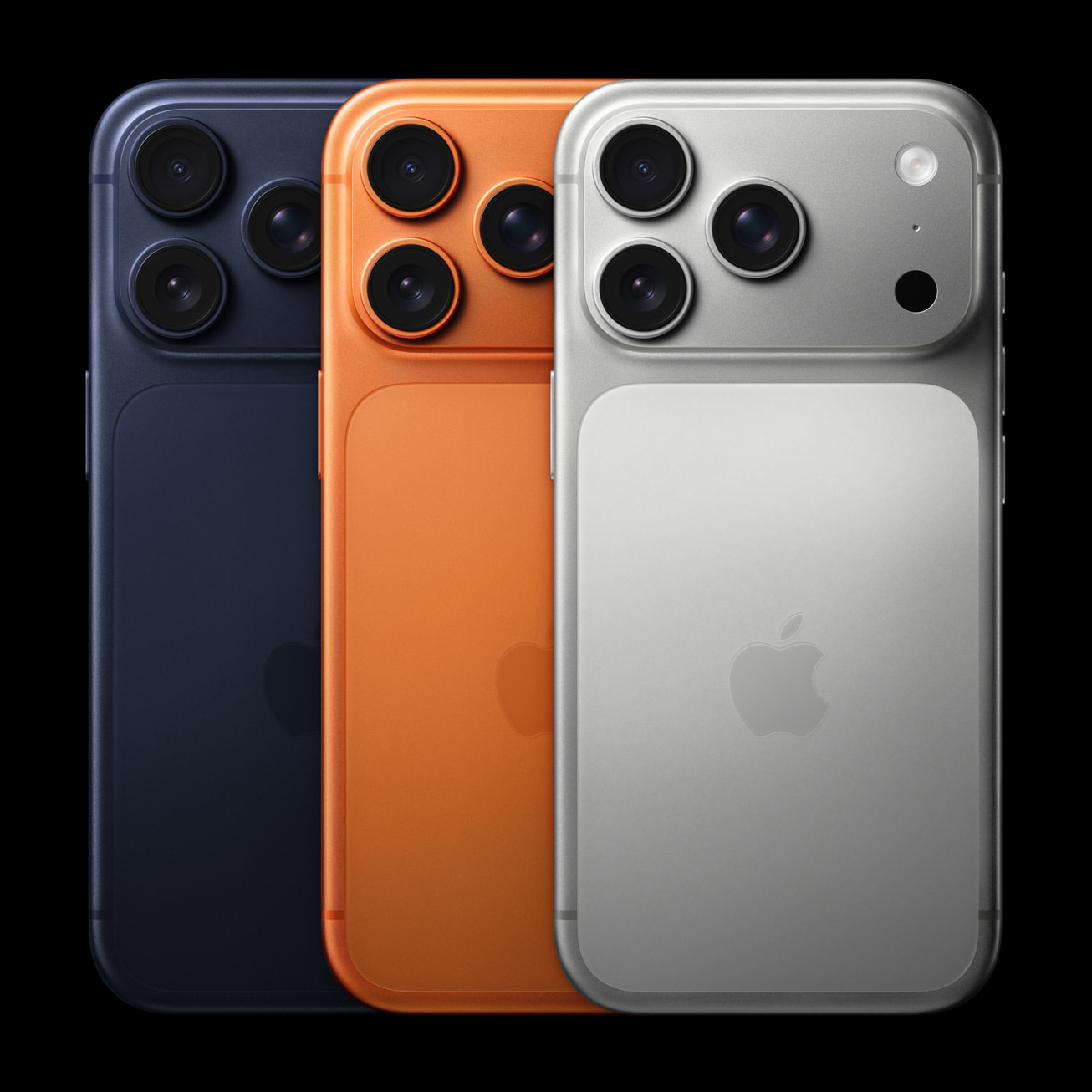
The iPhone 17 Pro built upon Apple’s established camera ecosystem, emphasizing computational photography, improved sensors, and incremental enhancements to low-light performance and zoom capabilities. It continued Apple’s trend of relying heavily on software optimization to deliver high-quality images.
iPhone 18 Pro: A Major Hardware Leap
The iPhone 18 Pro, however, is rumored to take a dramatically different approach. According to reports, it could introduce “some of the biggest camera hardware upgrades in iPhone history.”


One of the most notable rumored features is a variable-aperture main camera. Unlike fixed-aperture lenses found in previous models, this system would allow the camera to physically adjust the size of its aperture—similar to how a human pupil expands and contracts.
Why this matters:
- Better control over light intake
- Improved performance in both bright and low-light conditions
- Enhanced depth-of-field effects for more professional-looking photos
If implemented, this would move Apple closer to DSLR-like flexibility, something long requested by photography enthusiasts.
Visual Intelligence and AI Integration
The Shift Toward AI-Driven Photography
Another major difference lies in how Apple is integrating artificial intelligence into the camera experience.


The iPhone 18 Pro is expected to embed Visual Intelligence directly into the camera app, making it a more central part of the user interface. Rather than relying solely on post-processing, AI would actively guide and enhance the image capture process in real time.
Apple has already described its broader AI system—Apple Intelligence—as a tool that simplifies communication, improves focus, and enhances productivity. Features such as:
- Live Translation
- Writing Tools
- Prioritized notifications
are already part of this ecosystem, and the camera appears to be the next frontier.
Siri Meets the Camera: A New User Experience
iPhone 17 Pro: Traditional Voice Assistant
On the iPhone 17 Pro, Siri remains largely separate from the camera experience, functioning as a general-purpose assistant.
iPhone 18 Pro: A Camera-Centric Siri Mode
The upcoming iPhone 18 Pro could change that dynamic. Reports suggest a dedicated Siri mode within the camera app, potentially launching with iOS 27.
Apple CEO Tim Cook has hinted at this evolution, stating:
“We look forward to bringing a more personalized Siri to users coming this year.”
This integration could allow users to:
- Adjust camera settings using voice commands
- Identify objects or scenes instantly
- Access contextual information while shooting
Such a feature would blur the line between photography and real-time AI assistance.
Processing Power and AI Hardware Demands
A20 Pro Chip and 2nm Technology
Beyond the camera, the iPhone 18 Pro Max is rumored to feature an A20 Pro chip built on a 2nm process, significantly boosting performance and efficiency.
This upgrade is particularly important because modern AI features increasingly rely on on-device processing rather than cloud computing. Processing large datasets locally requires:
- Faster chips
- More RAM
- Better power optimization
As a result, Apple may also increase memory capacity to support these demanding workloads.
The Hidden Trade-Off: Faster Upgrade Cycles
While these advancements are exciting, they introduce a potential downside.
As AI features become more hardware-dependent, older devices may struggle to keep up. Reports indicate that users could feel pressure to upgrade sooner if their devices lack sufficient processing power or RAM.
This represents a shift from Apple’s traditional long device lifespan, where users could comfortably keep an iPhone for several years.
Industry Context: Apple’s AI Arms Race
Apple is not alone in pushing toward AI-powered smartphones. The broader tech industry is racing to integrate advanced AI directly into devices, reducing reliance on cloud services and enabling real-time functionality.
This trend introduces new engineering challenges, including:
- Heat dissipation from more powerful chips
- Increased battery demands
- Hardware-software optimization at scale
For Apple, the iPhone 18 Pro could be a defining product in this competitive landscape.
iPhone 17 Pro vs iPhone 18 Pro: Key Expected Differences
| Feature | iPhone 17 Pro | iPhone 18 Pro (Expected) |
|---|---|---|
| Camera System | Fixed aperture, computational photography | Variable aperture, major hardware upgrades |
| AI Integration | Limited to system-level features | Deep camera integration with Visual Intelligence |
| Siri | General assistant | Integrated into camera app |
| Chipset | Advanced but incremental | A20 Pro (2nm), optimized for AI |
| RAM | Standard for flagship | Potential increase for AI workloads |
| Upgrade Impact | Gradual improvements | Potentially transformative leap |
What This Means for Users
For everyday users, the iPhone 18 Pro could deliver:
- More professional-grade photography
- Smarter, AI-assisted interactions
- Faster performance for demanding tasks
However, it may also:
- Shorten device upgrade cycles
- Increase expectations for hardware performance
Conclusion: A Defining Upgrade Cycle?
The transition from iPhone 17 Pro to iPhone 18 Pro appears poised to be more than just a routine annual refresh. With major camera hardware changes, deeper AI integration, and significant performance upgrades, Apple may be laying the groundwork for the next era of smartphones.
If the rumored features materialize, the iPhone 18 Pro could redefine how users interact with their devices—shifting from passive tools to intelligent, real-time assistants embedded directly into everyday experiences.
The real question is not whether the iPhone 18 Pro will be better—but how much it will change the expectations for what a smartphone should be.