
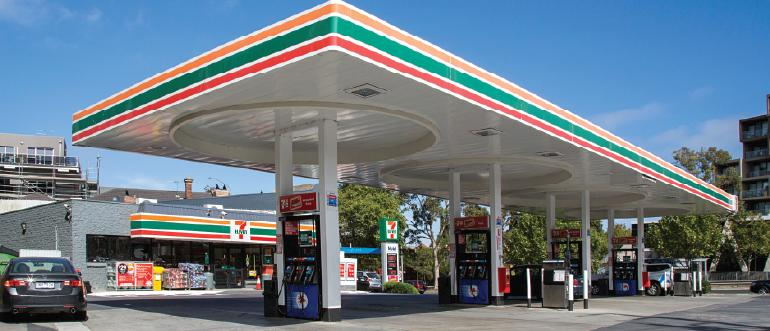
7-Eleven Closing Stores: A Strategic Overhaul Reshaping Convenience Retail
A Major Shift in One of Retail’s Most Recognizable Brands
7-Eleven is undergoing one of the most significant transformations in its nearly century-long history. The company is set to close hundreds of stores across North America, marking a decisive shift in strategy rather than a simple contraction.
At the center of this development is a sweeping restructuring plan led by its parent company, Seven & i Holdings. The initiative aims to modernize operations, improve profitability, and position the brand for a future public offering expected around 2027.
Rather than signaling decline, the closures reflect a recalibration of the company’s footprint—moving away from outdated formats and toward a new, more competitive model.
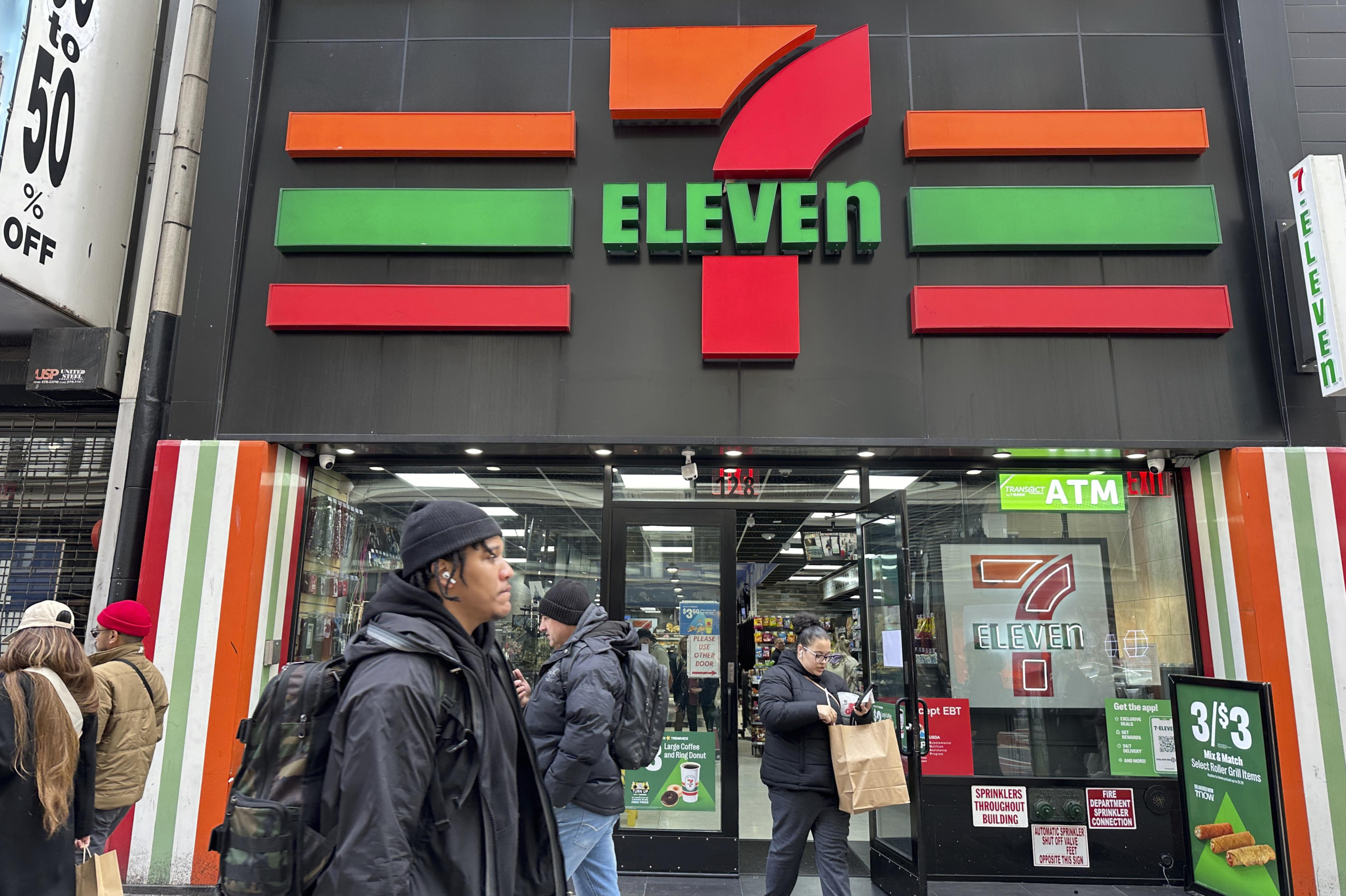
The Numbers Behind the Closures
The scale of the changes is substantial:
- 645 stores are scheduled to close during the 2026 fiscal year
- More than 600 locations were already closed across 2024 and 2025
- Around 444 stores were targeted in 2024 alone, representing roughly 3% of its North American network
In total, this represents a multi-year consolidation effort affecting hundreds of underperforming sites.
Importantly, not all closures mean complete shutdowns. Some locations are being converted into “wholesale fuel stores”, allowing fuel sales to continue without a full retail setup. These converted sites are excluded from official store counts .
Why 7-Eleven Is Closing Stores
1. Underperforming Locations
The company has identified numerous stores that no longer meet financial expectations. These locations often suffer from:
- Lower foot traffic
- Reduced profitability
- Limited ability to adapt to new retail trends
This process, internally described as “portfolio optimization,” involves removing weaker assets while investing in stronger ones .
2. Changing Consumer Behavior
Consumer habits have evolved significantly:
- Traditional drivers like tobacco and fuel sales are declining
- Demand is shifting toward fresh food, prepared meals, and premium beverages
For example, prepared food sales across the convenience sector grew by 12% year-over-year, highlighting where future growth lies .
Older, smaller stores often lack the infrastructure to support expanded food offerings, making them less viable in the current market.
3. Economic Pressures
Broader economic factors have also contributed:
- Inflation affecting operational costs
- Reduced discretionary spending
- Declining cigarette sales (down significantly since 2019)
These pressures have accelerated the need for restructuring.
The New Strategy: Bigger, Food-Focused Stores
The closures are only one side of the equation. At the same time, 7-Eleven is investing heavily in a new store concept.
What the New Format Looks Like
The company is shifting toward:
- Larger store footprints
- Expanded food menus, including made-to-order meals
- Enhanced beverage offerings
- Improved in-store experience
These stores are designed to function as hybrid spaces—combining elements of:
- Convenience retail
- Fast-food outlets
- Small grocery stores
Industry analysts describe this as a transition from a simple “pit stop” to a destination retail model .
Competing With Modern Convenience Chains
Competitors like Wawa and Sheetz have already demonstrated the success of this model.
These brands have redefined expectations by offering:
- High-quality meals
- Coffee programs
- Comfortable dining spaces
7-Eleven is now aligning its strategy with these industry leaders.
A Transformation, Not a Retreat
Despite the closures, the company is not shrinking overall. Instead:
- New stores are being opened in key markets
- Existing locations are being remodeled
- Investment is being redirected toward higher-performing formats
In fact, the company plans to open hundreds of new locations while closing older ones, reflecting a quality-over-quantity approach .
Analysts emphasize that this is not a traditional downsizing. It is a full business model transformation—one that prioritizes revenue per store rather than total store count.
The Role of the 2027 IPO
The restructuring is closely tied to long-term financial strategy.
Seven & i Holdings is preparing for a potential initial public offering (IPO) of its North American business.
Before going public, the company is:
- Streamlining operations
- Eliminating underperforming assets
- Strengthening its growth narrative
This makes the current wave of closures part of a broader effort to improve investor confidence and valuation.
What This Means for Customers
The impact will vary depending on location:
In Some Areas:
- Nearby stores may close entirely
- Customers may need to travel further
In Others:
- Stores may be replaced with upgraded versions
- More food and beverage options will be available
- Enhanced shopping experience with seating and modern layouts
Over time, consumers are likely to see fewer but more advanced stores.
A Broader Industry Transformation
The changes at 7-Eleven reflect a wider shift across the convenience store sector.
Historically:
- Fuel drove traffic
- Stores focused on quick purchases
Today:
- Stores aim to become daily destinations
- Food and beverages drive repeat visits
Data shows that while people refuel their cars only a few times per month, they visit convenience stores multiple times per week, reinforcing the importance of in-store experience .
What Comes Next
Looking ahead, several trends are likely:
- Continued closure of outdated locations
- Expansion of food-centric store formats
- Increased competition with fast-casual restaurants
- Greater emphasis on in-store experience and convenience
The company’s success will depend on how effectively it executes this transition.
Conclusion
The wave of 7-Eleven store closures is not a sign of decline—it is a strategic reset. By eliminating underperforming locations and investing in modern, food-focused stores, the company is repositioning itself for the future of retail.
As consumer expectations evolve, the traditional convenience store model is being replaced by something more complex and competitive. For 7-Eleven, the current restructuring represents a critical step in staying relevant in a rapidly changing industry.


