




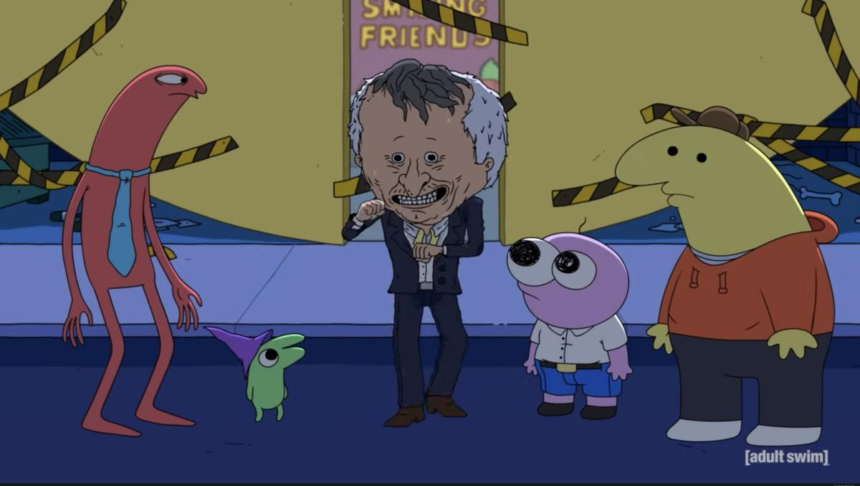
Smiling Friends Final Episodes: Why the Series Chose to End on Its Own Terms
A Deliberate Ending in an Era of Endless Television
The conclusion of Smiling Friends marks a rare moment in modern television: a show that chose to end not because it had to, but because its creators believed it should.
- A Deliberate Ending in an Era of Endless Television
- When and How the Final Episodes Aired
- The Final Episodes: Titles, Themes, and Narrative Closure
- Why Smiling Friends Ended After Season 3
- Season 3: The Final Arc That Set the Stage
- A Short Run, A Lasting Impact
- The Broader Industry Implications
- Could Smiling Friends Return?
- Conclusion: Ending on a High Note
After three seasons and roughly 27–28 episodes, the cult-favorite animated series aired its final two episodes in April 2026, closing a chapter that many fans expected would run significantly longer. Instead, co-creators Zach Hadel and Michael Cusack opted for a concise, controlled exit—prioritizing creative integrity over longevity.
The decision places Smiling Friends in a small but influential category of shows that resist the industry’s default instinct: to continue as long as audiences remain engaged.
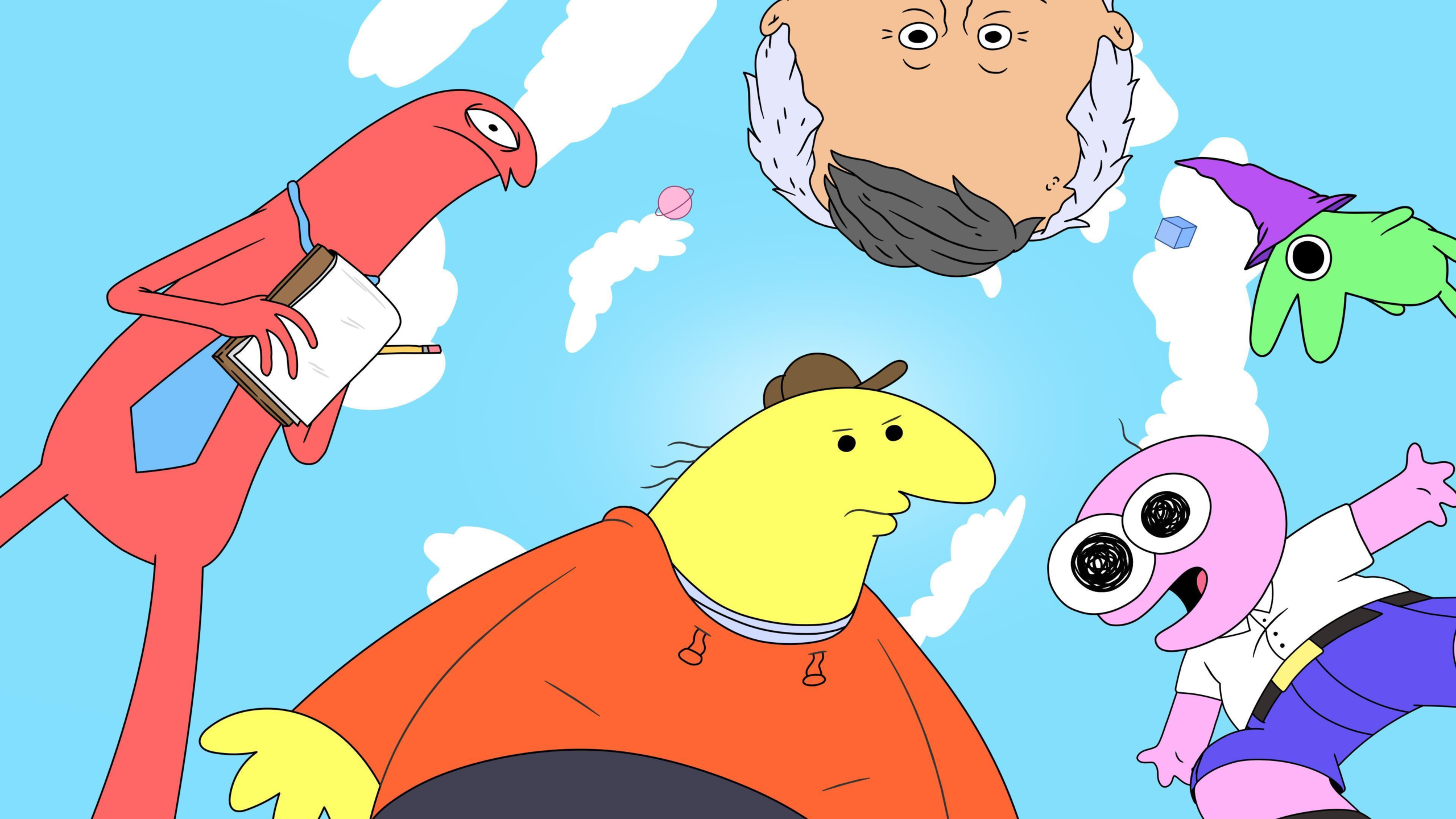
When and How the Final Episodes Aired
The final stretch of Smiling Friends was structured as a two-episode event, designed to feel both communal and immediate—something increasingly rare in the streaming era.
Broadcast and Streaming Timeline
- Final episodes aired live on Adult Swim
- Air date: April 12, 2026 (11 p.m. ET)
- Additional broadcast event: April 15, 2026 (live airing)
- Streaming release: April 13–16, 2026 on HBO Max
This staggered rollout was more than scheduling—it reintroduced the idea of television as a shared event. Viewers were encouraged to watch in real time, participate in discussion, and experience the finale collectively rather than asynchronously.



The Final Episodes: Titles, Themes, and Narrative Closure
The concluding episodes—
- “Friend-Bot (Version 12589218731809213528796879521)”
- “Charlie’s Uncle Dies and Doesn’t Come Back”
—capture everything that defined the show: unpredictability, absurdist humor, and emotional undercurrents hidden beneath chaotic storytelling.
What Happens in the Finale
Rather than delivering a conventional, neatly wrapped ending, the episodes lean into:
- Surreal narrative turns involving artificial intelligence and scams
- Family-driven storylines with unexpected revelations
- Character arcs that resolve without losing the show’s chaotic tone
Key developments include:



- Exploration of moral ambiguity through technology (in Friend-Bot)
- A high-stakes, emotionally charged family narrative (in Charlie’s storyline)
- Continued presence of eccentric figures like Mr. Boss and Allan
The creators avoided a dramatic, overly sentimental finale. Instead, they preserved the show’s identity—ending exactly as it lived: unpredictable and tonally distinct.
Why Smiling Friends Ended After Season 3
The decision to conclude the series was driven by creative considerations rather than external pressure.
Creative Burnout and Artistic Control
Both creators were explicit about their reasoning:
“We felt burnt out… Rather than give the audience slop, we wanted to end it.”
— Michael Cusack
“We didn’t want to overstay our welcome. Art is more fragile—and more precious—when it knows its own expiration date.”
— Zach Hadel
This approach reflects a broader philosophy: sustaining quality requires knowing when to stop. Instead of extending the series to meet demand, the creators chose to preserve its originality and tone.
A Rare Industry Dynamic
Notably, Adult Swim supported the decision, allowing the creators to maintain full artistic control. This stands in contrast to typical industry practices, where successful shows are often extended beyond their creative peak.
Season 3: The Final Arc That Set the Stage
The third season was designed as a culmination rather than a continuation.
Key Highlights
- Expanded character development for Charlie, Pim, and supporting cast
- Story arcs like the “Mole Man” storyline that blended absurdity with emotional depth
- A balance between episodic chaos and overarching narrative cohesion
The season built toward a conclusion that felt earned rather than abrupt, providing enough closure while maintaining the show’s signature unpredictability.
A Short Run, A Lasting Impact
Despite its relatively brief lifespan, Smiling Friends leaves behind a significant cultural footprint.
By the Numbers
- Total seasons: 3
- Total episodes: Approximately 27–28
- Critical reception: Strong acclaim, including high audience scores (around 93% popularity)
What Made It Stand Out
- A distinctive animation style blending crude and polished visuals
- Absurdist humor grounded in emotional sincerity
- A willingness to subvert expectations in both storytelling and structure
The series demonstrated that animated comedy could be experimental without losing mainstream appeal.
The Broader Industry Implications
The ending of Smiling Friends highlights a shift in how animated series—particularly creator-driven projects—are evolving.
A New Model for Animation
The show suggests that:
- Shorter, tightly controlled runs can be more impactful
- Creative ownership is increasingly valued over long-term franchising
- Audiences are receptive to endings that prioritize quality over quantity
This model challenges the traditional assumption that success must lead to indefinite continuation.
Could Smiling Friends Return?
While the series has officially concluded, the creators have not ruled out future possibilities.
What We Know
- No confirmed revival plans exist
- The door remains open for one-off specials or future projects
- Any return would depend on renewed creative inspiration
For now, however, the finale represents a definitive endpoint for the series’ current form.
Conclusion: Ending on a High Note
The final episodes of Smiling Friends do more than conclude a story—they reinforce a philosophy about storytelling itself.
By ending after three seasons, the creators ensured that the show remains:
- Cohesive rather than diluted
- Memorable rather than prolonged
- Distinct rather than repetitive
In a television landscape defined by extension and expansion, Smiling Friends offers a different blueprint—one where restraint becomes a creative strength.
Its conclusion may feel abrupt to some viewers, but it also preserves the very qualities that made the series resonate in the first place. That, ultimately, is its most enduring legacy.