


Melania Trump and the Epstein Controversy: A Defining Moment in Public Narrative
A Sudden Statement That Reignited a Global Debate
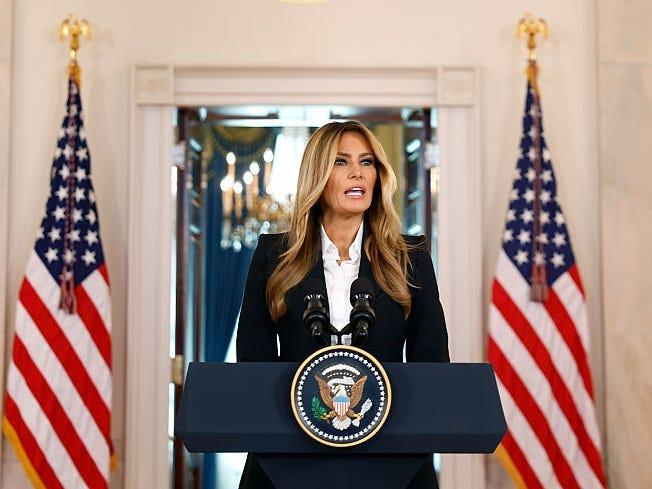
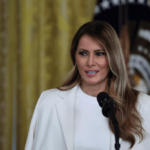
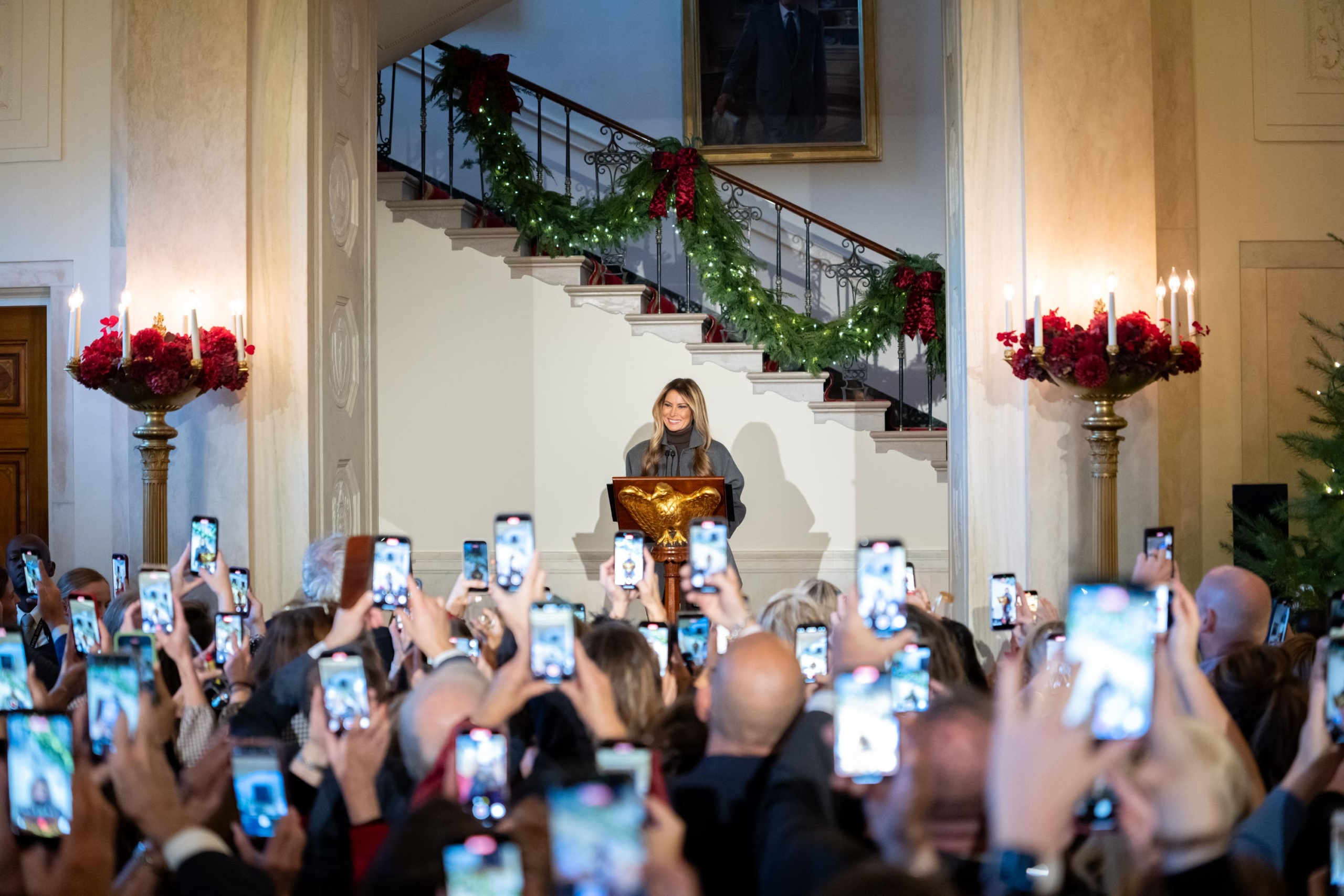
When Melania Trump stepped forward at the White House in April 2026 to address her alleged connections to Jeffrey Epstein, the intention appeared straightforward: draw a firm line under years of speculation.
- A Sudden Statement That Reignited a Global Debate
- What Melania Trump Said — And Why It Matters
- The Strategy: Preemptive Narrative Control
- Public and Political Reactions: A Divided Response
- Media Amplification and Cultural Impact
- The Epstein Factor: Why the Story Persists
- Timing and Political Context
- Lessons in Public Communication
- What Comes Next?
- Conclusion: A Statement That Changed the Conversation
Instead, the statement triggered a renewed wave of scrutiny, political reaction, and public debate—demonstrating how sensitive issues, once addressed publicly, rarely remain contained.
Her remarks were clear and categorical. She rejected any association with Epstein, stating she was neither a friend nor a victim and had never visited his private island. She also dismissed circulating claims as false and damaging to her reputation.
Yet, in the broader context of American political discourse, clarity does not always translate to closure.

What Melania Trump Said — And Why It Matters
In a rare public address, Melania Trump delivered a carefully worded denial:


- She had “never had any knowledge of Epstein’s abuse of his victims.”
- She was “never involved in any capacity” and had no meaningful relationship with him.
- Any interaction, she explained, was limited to overlapping social circles in places like New York and Palm Beach.
She also rejected claims that Epstein introduced her to Donald Trump, emphasizing that they met independently in 1998.
In addition, she addressed a previously surfaced 2002 email exchange with Ghislaine Maxwell, describing it as “casual correspondence” and “a trivial note.”
Her message extended beyond personal defense. She called for congressional hearings to allow survivors of Epstein’s crimes to testify publicly:
“Each and every woman should have her day to tell her story in public if she wishes… Then, and only then, we will have the truth.”
This appeal positioned her statement not only as a rebuttal, but as an intervention in a broader conversation about accountability and justice.


The Strategy: Preemptive Narrative Control
From a communications standpoint, the move reflects a classic political strategy—preemptive framing.
Rather than waiting for allegations to escalate, a public figure addresses them directly to shape the narrative early. This approach is often used to:
- limit speculation
- establish a definitive public record
- reinforce credibility
However, the effectiveness of such a strategy depends heavily on timing and context.
In this case, the timing raised immediate questions. There had been no major new accusations dominating headlines at the moment of her statement.
This led observers to ask:
- Why address the issue now?
- Was the statement coordinated within the administration?
- What prompted the sudden need for clarification?
Instead of closing the issue, the intervention expanded it.
Public and Political Reactions: A Divided Response
The reaction to Melania Trump’s statement was immediate and mixed.
Support and Alignment
Some political figures supported her call for transparency. Lawmakers across party lines expressed agreement with the idea of congressional hearings for Epstein survivors.
This alignment suggests that, at least in part, her message resonated with ongoing demands for accountability.
Criticism and Skepticism
Others viewed the statement with suspicion. Critics argued that:
- it reintroduced a sensitive issue without resolving underlying concerns
- it potentially shifted attention away from institutional accountability
- it created new lines of inquiry rather than closing existing ones
Survivors and advocates also responded cautiously. While some described the call for hearings as a “bold move,” others questioned whether it would lead to meaningful action.
Media Amplification and Cultural Impact
The controversy quickly expanded beyond politics into media and cultural commentary.
Television host Jimmy Kimmel publicly challenged her claims, referencing a widely circulated photograph of Melania and Donald Trump alongside Epstein.
Such responses illustrate how modern political narratives are shaped not only by official statements but also by:
- media framing
- entertainment commentary
- social media amplification
The result is a feedback loop where public statements generate reactions, which in turn create new narratives.
The Epstein Factor: Why the Story Persists
The continued relevance of the Epstein case is central to understanding the reaction.
Even years after Epstein’s death in 2019, the issue remains unresolved in the public mind due to:
- the involvement of high-profile individuals
- ongoing document releases under transparency laws
- demands for justice from victims and survivors
The case has become more than a legal matter—it is a symbol of broader concerns about power, accountability, and transparency.
Melania Trump’s statement, regardless of intent, intersected with this unresolved narrative.
Timing and Political Context
The statement also arrived during a complex political environment.
The administration was already navigating:
- internal political divisions
- scrutiny over policy decisions
- pressure regarding the release of Epstein-related documents
Introducing the issue at such a moment amplified its impact.
In political communication, timing is often as significant as content. A statement delivered during stability may pass quietly. The same statement during a period of tension can escalate into a major flashpoint.
Lessons in Public Communication
This episode highlights several broader insights into high-stakes communication:
1. Silence vs. Engagement
Remaining silent can sometimes limit attention. Public engagement, even when factual, can amplify scrutiny.
2. Narrative Control Is Fragile
Attempts to control a narrative may instead diversify it, especially when multiple stakeholders are involved.
3. Public Perception Is Unpredictable
Statements intended as clarification can be interpreted as escalation, depending on context and audience.
What Comes Next?
The long-term implications of Melania Trump’s statement remain uncertain.
Possible developments include:
- congressional hearings involving Epstein survivors
- renewed pressure on the Justice Department to release additional documents
- continued political debate over accountability
What is clear is that the issue has re-entered mainstream discourse.
Conclusion: A Statement That Changed the Conversation
Melania Trump’s decision to publicly address the Epstein controversy was intended to draw a definitive boundary around speculation.
Instead, it demonstrated a fundamental reality of modern public life:
Once a sensitive issue is reintroduced into the public sphere, it evolves beyond the control of any single statement.
The episode underscores the enduring complexity of the Epstein case and its intersection with politics, media, and public trust. It also serves as a reminder that in high-profile environments, communication is not merely about what is said—but when, how, and why it is said.