


Keir Starmer Addresses the Nation: Steering Britain Through a Volatile Global Crisis
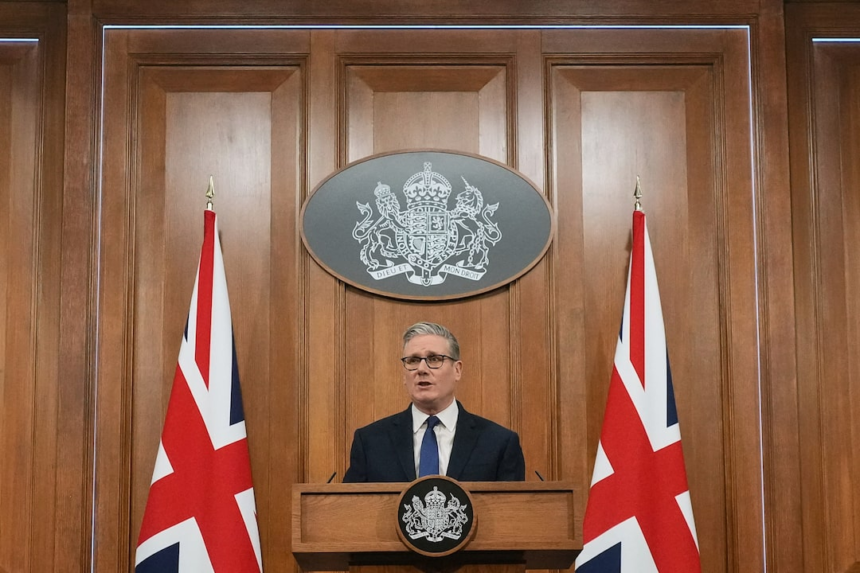
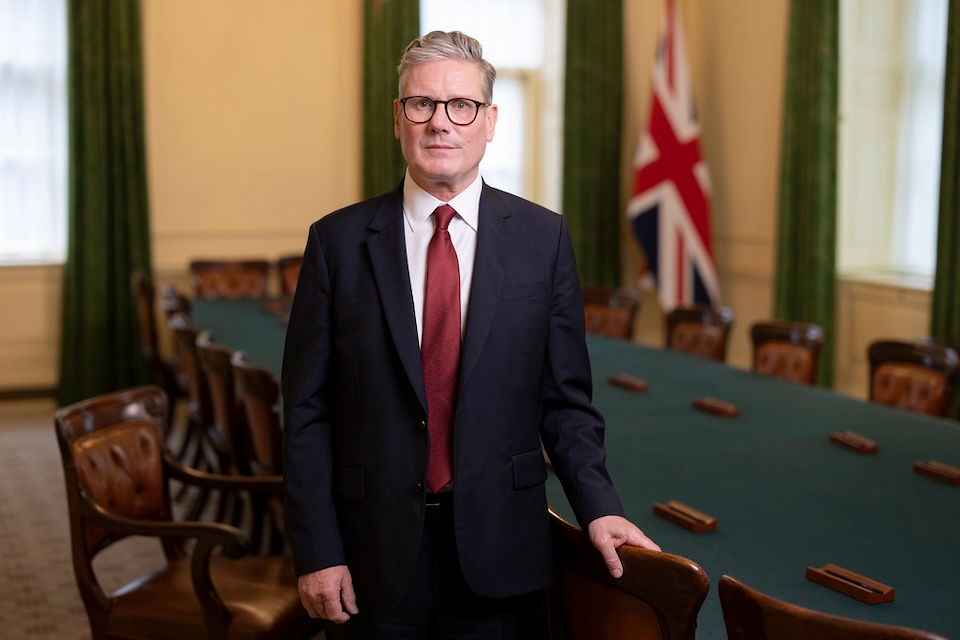
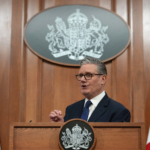
In a moment defined by geopolitical instability and economic uncertainty, UK Prime Minister Keir Starmer delivered a nationally significant address outlining Britain’s position amid the escalating conflict in the Middle East. His message was measured but firm: the United Kingdom would remain steady, avoid military escalation, and prioritize national interests while navigating mounting global pressures.
- A Crisis Framing the Address
- “This Will Not Be Easy”: A Direct Message to the Public
- Refusing Military Escalation Under Pressure
- Diplomatic Leadership: The Strait of Hormuz Initiative
- Recalibrating Alliances: Europe Moves to the Forefront
- Managing the Cost-of-Living Impact
- Navigating US Tensions Without Breaking Ties
- A Leadership Style Defined by Stability
- What Comes Next?
- Conclusion: A Strategic Balancing Act
This address, delivered from Downing Street, was not merely a routine update. It represented a carefully calibrated response to a rapidly evolving international crisis—one that is reshaping alliances, disrupting global markets, and testing domestic resilience.
A Crisis Framing the Address
The backdrop to Starmer’s speech is a widening conflict involving the United States, Iran, and regional actors, with ripple effects across energy markets and global security. At the center of concern lies the strategic Strait of Hormuz, a vital corridor for global oil transport that has been effectively disrupted.
The economic consequences are already visible. Rising oil and gas prices, increased borrowing costs, and warnings from financial institutions signal a prolonged period of uncertainty. According to projections, millions of households could face higher mortgage payments in the coming years as a result of these pressures.
Starmer’s address directly acknowledged these realities, setting the tone for what followed: a blend of caution, reassurance, and strategic positioning.
“This Will Not Be Easy”: A Direct Message to the Public
One of the defining moments of the address came when Starmer chose to speak candidly about the economic outlook.
“I do have to level with people, this will not be easy,” he stated, signaling a deliberate effort to manage expectations rather than offer overly optimistic projections.
This approach marked a notable shift toward transparency. Rather than promising immediate relief, the government emphasized ongoing measures already in place, including:
- Energy bill caps
- Temporary fuel duty cuts
- Monitoring of inflationary pressures
At the same time, Starmer made it clear that the trajectory of the crisis—and its economic impact—would depend heavily on how quickly tensions de-escalate and whether key trade routes reopen.
Refusing Military Escalation Under Pressure
A central pillar of the address was the UK’s decision to remain outside direct military involvement in the conflict. This position has come under pressure, particularly from the United States, where President Donald Trump has urged allies to take a more active role.
Starmer rejected that pressure unequivocally:
“Whatever the pressure, whatever the noise, I am the British prime minister and I have to act in our national interests.”
This statement underscored a broader doctrine: Britain will engage diplomatically and economically, but not be drawn into what Starmer described as a conflict that is “not our war.”
The decision reflects both strategic restraint and political calculation, balancing alliance obligations with domestic priorities.
Diplomatic Leadership: The Strait of Hormuz Initiative
While rejecting military escalation, Starmer simultaneously positioned the UK as a diplomatic convenor. A key announcement in the address was the UK’s plan to host an international summit aimed at restoring navigation through the Strait of Hormuz.
Foreign Secretary Yvette Cooper is expected to lead discussions involving multiple nations willing to collaborate on reopening this critical shipping route.
This initiative serves several purposes:
- Stabilizing global energy supply chains
- Reducing pressure on fuel prices
- Reinforcing the UK’s role as a diplomatic intermediary
It also signals a broader strategic shift: prioritizing multilateral coordination over unilateral action.
Recalibrating Alliances: Europe Moves to the Forefront
Perhaps the most politically significant element of the address was Starmer’s emphasis on strengthening ties with Europe.
“It is increasingly clear that… our long-term national interest requires closer partnership with our allies in Europe and with the European Union.”
While maintaining that the UK would not “choose” between the United States and Europe, the tone suggested a recalibration of priorities. The government is preparing for:
- A new UK–EU summit
- Expanded cooperation in defense and security
- Deeper economic alignment, particularly around regulatory standards
This shift reflects both immediate geopolitical realities and longer-term strategic thinking. As tensions with the US leadership intensify—especially over NATO commitments—Europe is emerging as a more stable and predictable partner.
Managing the Cost-of-Living Impact
The address also tackled the domestic consequences of the crisis, particularly its effect on household finances.
Key points included:
- Fuel prices and energy costs remain highly sensitive to developments in the Gulf
- Government support measures are being reviewed but may not fully materialize until autumn
- Behavioral changes (such as reduced fuel usage) are not currently being mandated
Starmer avoided prescriptive guidance for citizens, instead emphasizing monitoring and flexibility. The government’s approach suggests a preference for reactive policy adjustments rather than preemptive restrictions.
Navigating US Tensions Without Breaking Ties
The address unfolded against a backdrop of increasingly strained relations with Washington. President Trump’s criticism of NATO and remarks about allies “learning how to fight for themselves” have added complexity to the UK’s diplomatic posture.
Starmer’s response was notably restrained. He acknowledged the importance of maintaining strong ties with the US while resisting pressure to align fully with its military strategy.
This dual-track approach—cooperation without compliance—reflects a broader attempt to preserve strategic autonomy.
A Leadership Style Defined by Stability
Beyond policy specifics, the address revealed much about Starmer’s leadership style. His emphasis on “clear, calm leadership” was not incidental; it was a deliberate framing of his government’s role during a turbulent period.
Key characteristics of this approach include:
- Measured communication
- Avoidance of inflammatory rhetoric
- Focus on long-term positioning rather than short-term reactions
In contrast to more volatile global leadership styles, Starmer is positioning the UK as a stabilizing force.
What Comes Next?
The implications of this address extend beyond immediate policy decisions. Several developments are likely to follow:
- Intensified diplomatic efforts to de-escalate the Middle East conflict
- Closer economic and security integration with European partners
- Continued monitoring of domestic economic pressures, particularly energy costs
- Ongoing recalibration of UK–US relations
Much will depend on external factors—particularly the trajectory of the conflict and the reopening of the Strait of Hormuz—but the direction of travel is now clearer.
Conclusion: A Strategic Balancing Act
Keir Starmer’s address to the nation was less about dramatic announcements and more about strategic positioning. It outlined a government intent on balancing competing pressures: global instability, alliance dynamics, and domestic economic concerns.
By rejecting military escalation, prioritizing diplomacy, and signaling closer ties with Europe, Starmer has set a course that emphasizes stability over confrontation.
Whether this approach will prove effective remains to be seen. But in a moment of heightened uncertainty, the message was consistent: Britain will act deliberately, cautiously, and in what it defines as its national interest.