



Artemis II: The Mission That Redefines Humanity’s Reach into Deep Space
A Future-Oriented Milestone in Space Exploration
In the early days of April 2026, a mission decades in the making approaches a decisive moment. NASA’s Artemis II is not simply another launch—it is a calculated step toward restoring human presence beyond low Earth orbit and laying the groundwork for sustained exploration of the Moon and beyond.
- A Future-Oriented Milestone in Space Exploration
- Why Artemis II Matters Now
- The Mission Profile: Precision and Purpose
- The Crew: A New Generation of Explorers
- Technical Challenges and Delays
- The Risk Equation: Why This Mission Is Different
- A Broader Strategic Context
- Cultural and Scientific Impact
- What Comes Next
- Conclusion: A Defining Moment for Human Exploration
For the first time since 1972, astronauts will travel into deep space, leaving behind the relative safety of Earth’s immediate orbit. Artemis II marks the transition from testing systems to placing humans at the center of that system—a shift that carries both promise and risk.
Why Artemis II Matters Now
The significance of Artemis II lies in its position within NASA’s broader Artemis program. It is the first crewed mission in the program and the first human journey beyond low Earth orbit in more than half a century.
Planned as a 10-day mission, Artemis II will send four astronauts on a trajectory around the Moon before returning to Earth. This is not a landing mission. Instead, it is a validation flight—one that tests the spacecraft, systems, and human endurance required for future lunar surface missions.
The timing is equally critical. With other global powers advancing their own lunar ambitions, Artemis II represents both a scientific milestone and a strategic statement about leadership in space exploration.

The Mission Profile: Precision and Purpose
Artemis II follows a carefully structured flight plan designed to test key systems under real operational conditions.
Launch and Earth Orbit
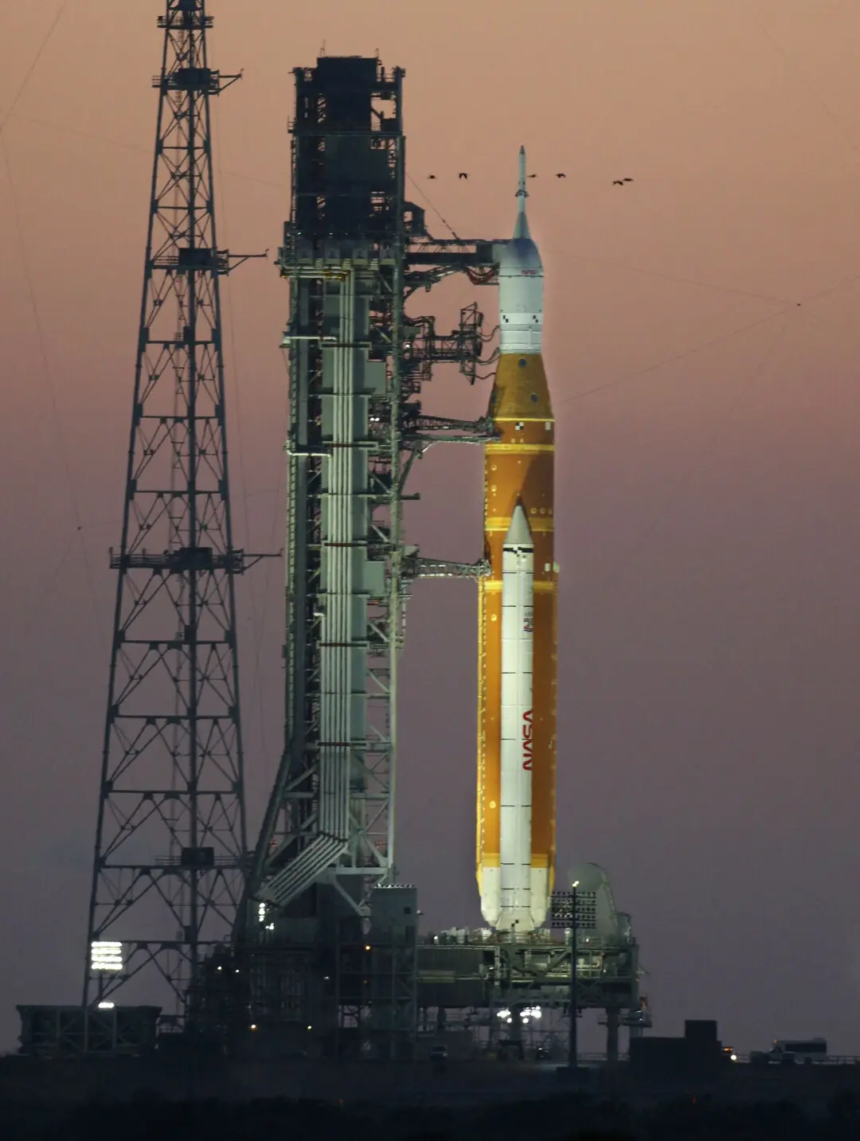
The mission begins with liftoff aboard NASA’s Space Launch System (SLS), one of the most powerful rockets ever built. After launch, the Orion spacecraft will spend approximately 24 hours in high Earth orbit. This phase allows engineers to assess system performance, including life-support systems and manual flight controls.
Deep Space Transit
Following initial checks, Orion will begin its four-day journey toward the Moon. During this phase, astronauts will move beyond Earth’s protective magnetic field, entering an environment where exposure to radiation becomes a significant factor.
Lunar Flyby
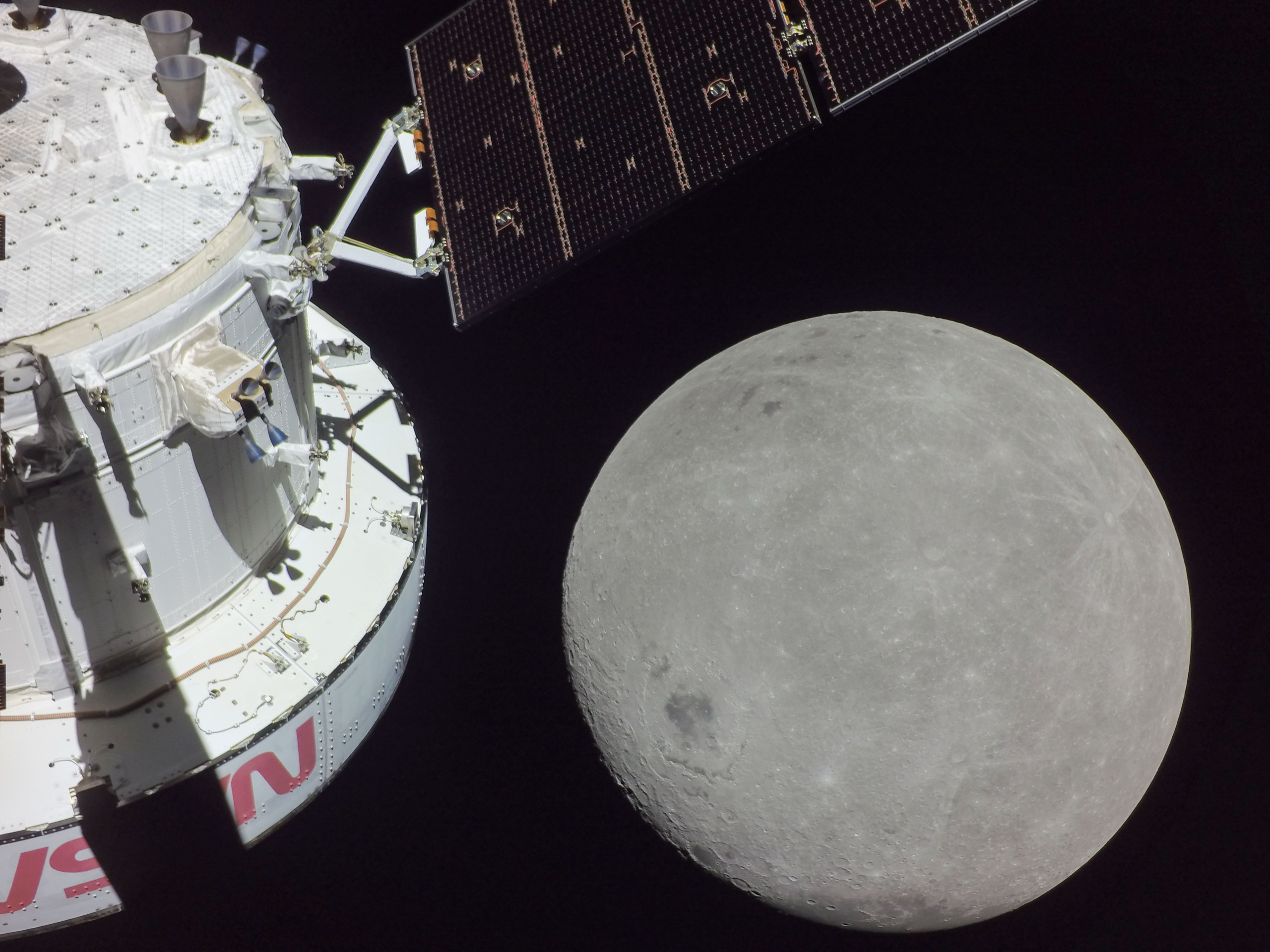
The spacecraft will perform a lunar flyby, looping around the far side of the Moon before heading back toward Earth. This maneuver uses lunar gravity to redirect the spacecraft, a technique refined during earlier missions such as Apollo 8.



Reentry and Splashdown
The final stage involves reentry into Earth’s atmosphere at speeds approaching 40,000 km/h. The Orion capsule will endure extreme thermal stress before safely splashing down in the Pacific Ocean.
Each phase is not merely operational—it is diagnostic. Every system tested during Artemis II is essential for future missions that aim to land astronauts on the Moon and eventually support missions to Mars.
The Crew: A New Generation of Explorers
Artemis II’s crew reflects both experience and diversity:
- Reid Wiseman (Commander)
- Victor Glover (Pilot)
- Christina Koch (Mission Specialist)
- Jeremy Hansen (Canadian Space Agency astronaut)
This team represents international collaboration and a broader vision of space exploration. Their mission is not only to travel but to validate the systems that will enable future generations to live and work beyond Earth.
Technical Challenges and Delays
The path to launch has not been straightforward. Artemis II has faced multiple technical hurdles that have tested both engineering resilience and operational readiness.
Among the most significant issues:
- A liquid hydrogen leak detected during a wet dress rehearsal
- A helium flow disruption affecting the rocket’s upper stage
- The need to roll the spacecraft back to the Vehicle Assembly Building for repairs
These challenges led to delays, pushing the mission timeline into 2026. However, subsequent testing resolved these issues, allowing NASA to move forward with renewed confidence.
The mission’s current target launch date is April 1, with additional windows extending into early April and later in the month if necessary.
The Risk Equation: Why This Mission Is Different
Unlike uncrewed missions, Artemis II introduces human variables into an already complex system. The risks are significant and unavoidable.
Extreme Reentry Conditions
The Orion capsule must withstand reentry temperatures that can exceed those found on the Sun’s surface. Previous testing revealed unexpected heat shield wear, raising questions that this mission will directly address.
Radiation Exposure
Beyond Earth’s magnetic field, astronauts are exposed to solar radiation. This environment increases the likelihood of both biological risks and system anomalies, particularly during periods of heightened solar activity.
Life-Support System Validation
For the first time, Orion’s environmental control and life-support systems will operate in deep space with a crew onboard. Any failure in these systems would present immediate and severe challenges.
These risks are not incidental—they are fundamental to the mission’s purpose. Artemis II is designed to push systems to their limits precisely because future missions will depend on their reliability.
A Broader Strategic Context
Artemis II exists within a larger global framework. NASA’s long-term objectives include establishing a sustained human presence on the Moon, constructing lunar infrastructure, and using the Moon as a staging ground for missions to Mars.
At the same time, other nations, including China, are advancing their own lunar programs. This introduces a competitive dimension to space exploration, though one defined more by technological capability than ideological rivalry.
The Artemis program, supported by international partnerships, reflects a hybrid approach—combining competition with collaboration.
Cultural and Scientific Impact
Historically, missions like Apollo 8 reshaped global perspectives, offering images and experiences that transcended scientific achievement. Artemis II has the potential to generate a similar cultural impact.
Its success could:
- Renew global interest in science and engineering
- Inspire a new generation of explorers
- Reinforce international cooperation in space
The mission’s diverse crew and multinational involvement signal a shift toward a more inclusive era of exploration.
What Comes Next
Artemis II is a precursor to more ambitious missions.
- Artemis III aims to return humans to the lunar surface
- Artemis IV and V focus on building infrastructure and sustaining presence
- Long-term goals include establishing a semi-permanent lunar base
The success of Artemis II will determine the pace and feasibility of these future missions. Failure, on the other hand, could force a reassessment of timelines and strategies.
Conclusion: A Defining Moment for Human Exploration
Artemis II represents a convergence of history, technology, and ambition. It draws from the legacy of Apollo while introducing a new framework for exploration—one that prioritizes sustainability, collaboration, and long-term presence.
As the launch window approaches, the mission stands as a test not only of engineering but of readiness. It asks a fundamental question: can humanity extend its reach beyond Earth once again, and this time, remain there?
The answer begins with Artemis II.